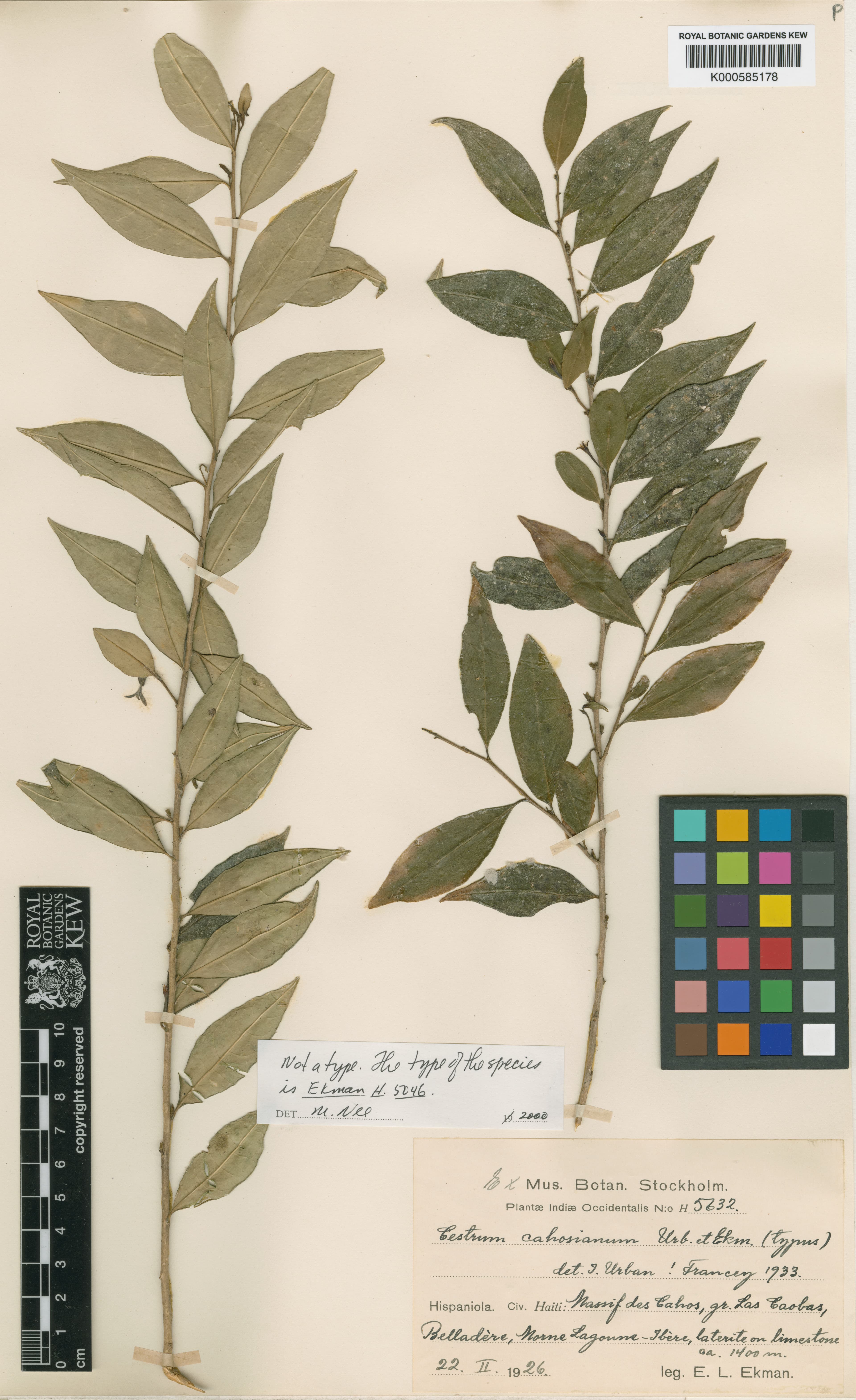
Cahos cestrum
Image: Ekman, E.L. (cc-by)
NameCahos cestrum
Scientific NameCestrum cahosianum
Common NamesCahos cestrum
Plant FamilySolanaceae
Natural HabitatNative to Hispaniola, specifically found in the Massif des Cahos, Las Caobas, Belladère, and Morne Lagoume-Ibère regions of Haiti. It grows on laterite or limestone soils at an approximate altitude of 1400 meters.
Parts Usedleaf,bark
Medicinal Actionsanalgesic, anti-inflammatory, antimicrobial
Traditional UsesSpecific traditional medicinal uses for *Cestrum cahosianum* are not well-documented in available ethnobotanical literature. However, other species within the *Cestrum* genus are traditionally used in some cultures for their analgesic, anti-inflammatory, or febrifuge properties, often with caution due to potential toxicity.
Active Constituentssteroidal saponins, alkaloids
Preparation Methodsinfusion, decoction, tincture, poultice
Contraindications & WarningsMany species within the *Cestrum* genus are known to contain toxic compounds, including steroidal glycoalkaloids and saponins, which can be poisonous if ingested. Use of *Cestrum cahosianum* should be approached with extreme caution, and it is generally not recommended for internal use without expert guidance due to potential toxicity. Pregnant or breastfeeding individuals and children should avoid use.
Cultivation NotesSpecific cultivation notes for *Cestrum cahosianum* are not readily available. Given its natural habitat, it likely prefers tropical highland conditions with well-drained, possibly calcareous or lateritic soils.
Rarityrare
Description
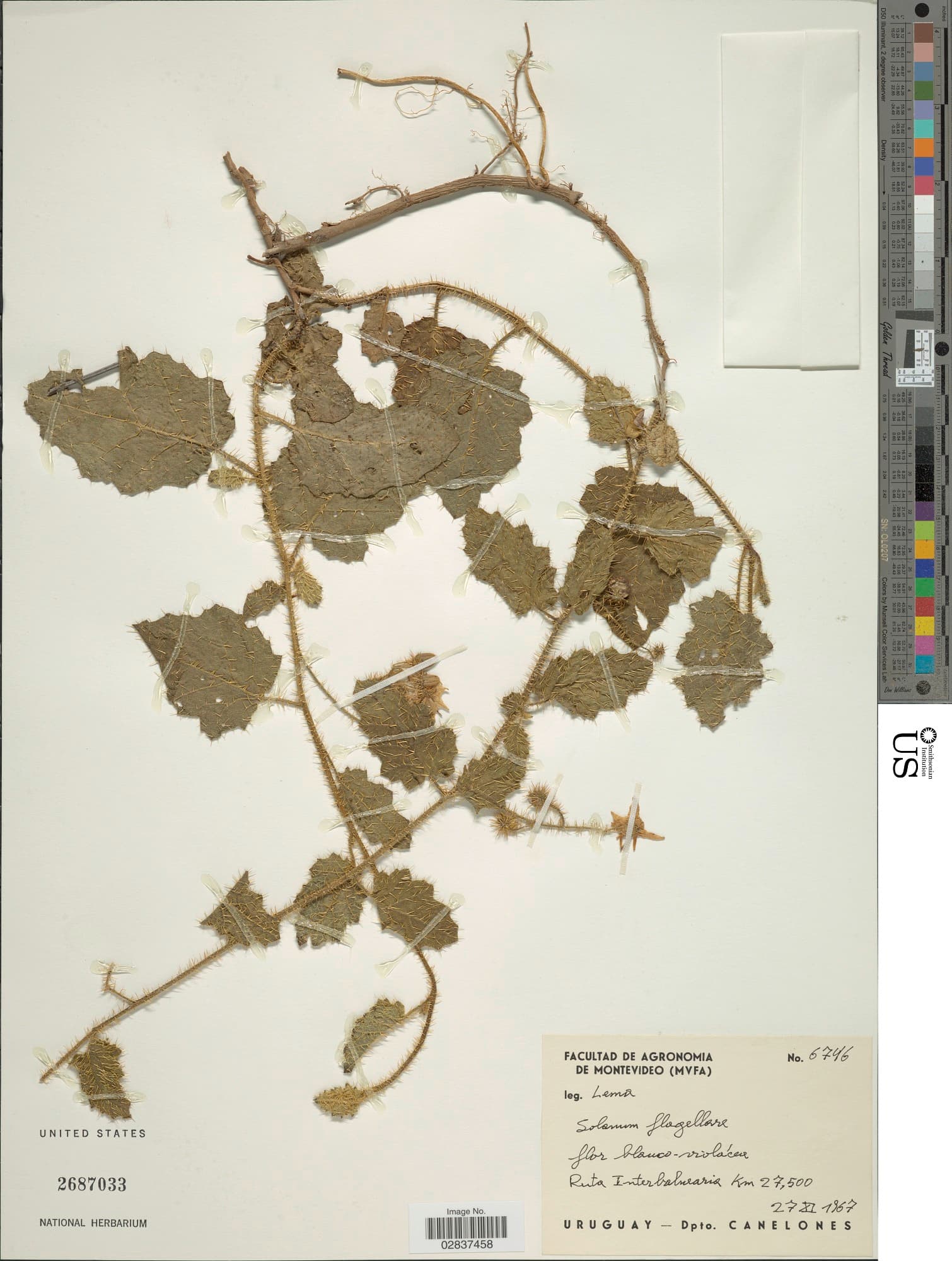
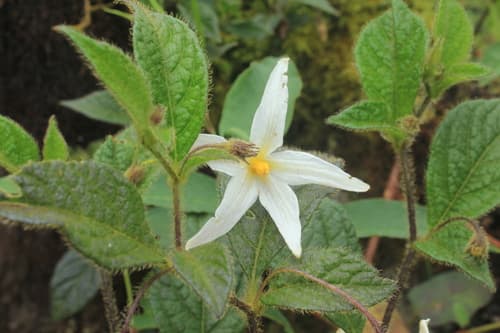
Cahos cestrum (Cestrum cahosianum) is a woody shrub or small tree, as evidenced by the preserved branches with alternate, simple, entire leaves. The leaves are ovate to lanceolate with acute apices, and the stems appear somewhat slender, indicating a typical shrubby growth habit.