Solanum tweedieanum
NameSolanum tweedieanum
Scientific NameSolanum tweedieanum
Plant FamilySolanaceae
Natural HabitatNative to South America (e.g., Argentina, Brazil, Paraguay, Uruguay), it commonly grows in disturbed areas, roadsides, pastures, and open fields, often considered a weed.
Parts Usedwhole_plant
Medicinal Actionsanti-inflammatory, antimicrobial
Traditional UsesTraditional medicinal uses for Solanum tweedieanum are not well-documented due to its toxic nature. While other Solanum species have various folk uses, direct safe herbal application of S. tweedieanum is generally avoided. Its compounds are primarily of interest for pharmaceutical research, particularly as precursors for steroid synthesis.
Active ConstituentsSolasodine, Steroidal glycoalkaloids
Preparation Methodspowder
Contraindications & WarningsAll parts of Solanum tweedieanum are considered toxic due to the presence of steroidal glycoalkaloids. Internal consumption should be strictly avoided. Contact with the plant may cause skin irritation in sensitive individuals. Pregnant and breastfeeding women, children, and individuals with liver or kidney conditions should avoid any contact or use.
Cultivation NotesThis species is a resilient plant, often growing as a weed in its native range. It thrives in full sun to partial shade and prefers well-drained soils. It can tolerate a range of soil types and is generally drought-tolerant once established. Propagation is typically by seed.
Raritycommon
Description
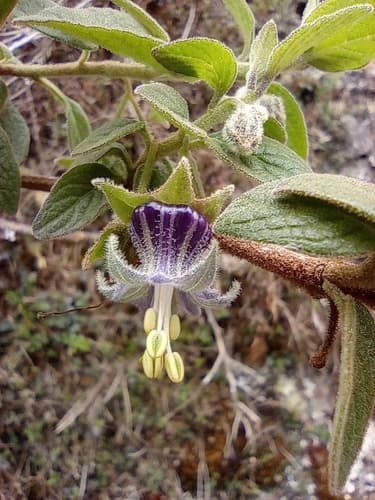
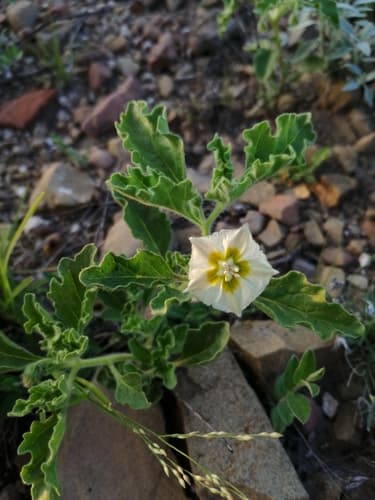
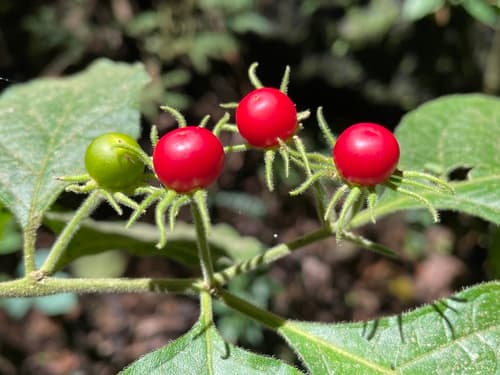
Solanum tweedieanum is an herbaceous perennial or subshrub, typically covered in stellate hairs. It features ovate to lanceolate leaves with sinuate or lobed margins, and white, star-shaped flowers with prominent yellow anthers arranged in cymes. The plant produces small, spherical berries.