Solanum truncicola
NameSolanum truncicola
Scientific NameSolanum truncicola
Plant FamilySolanaceae
Natural HabitatThis species is endemic to New Guinea, typically found growing in montane forests and disturbed forest edges at various altitudes.
Parts Usedleaf,flower
Medicinal Actionsanti-inflammatory, antimicrobial
Traditional UsesSpecific traditional medicinal uses for Solanum truncicola are not well-documented in available ethnobotanical literature. Many species within the Solanum genus are known to contain steroidal glycoalkaloids, which can be toxic, and their use in traditional medicine often requires careful preparation and knowledge to mitigate risks.
Active Constituentssteroidal glycoalkaloids, flavonoids, saponins
Preparation Methodsinfusion, poultice
Contraindications & WarningsAll parts of Solanum truncicola should be considered potentially toxic due to the presence of steroidal glycoalkaloids, common in the Solanum genus. Ingestion can lead to gastrointestinal upset, neurological symptoms, and other severe effects. Use by pregnant or nursing women, children, or individuals with liver/kidney conditions is strongly contraindicated. No internal use is recommended without extensive research and expert guidance.
Cultivation NotesSolanum truncicola thrives in tropical montane conditions, preferring well-drained, humus-rich soil and a humid environment. It likely requires partial shade and consistent moisture, similar to its natural forest understory habitat.
Rarityuncommon
Description
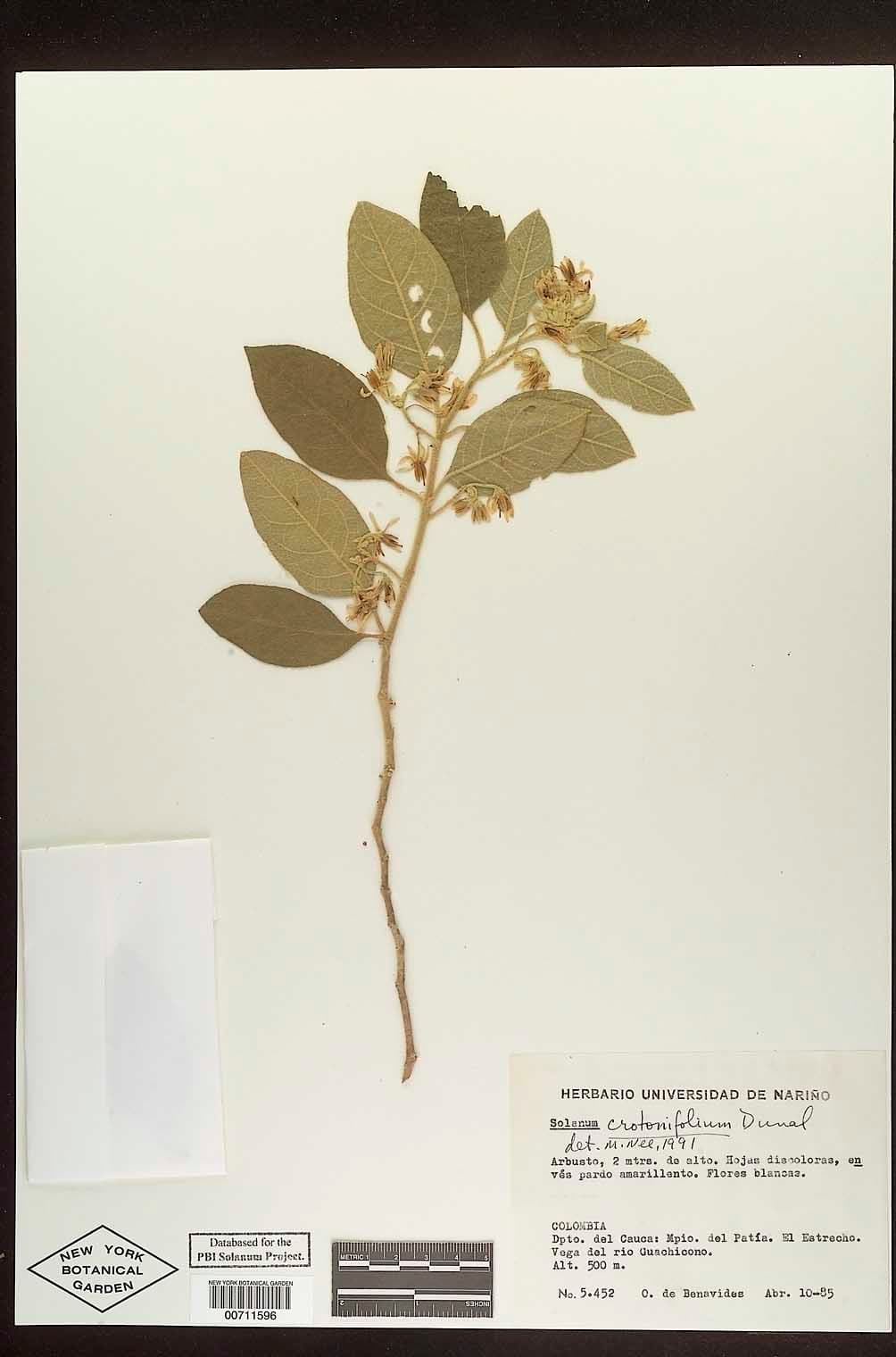
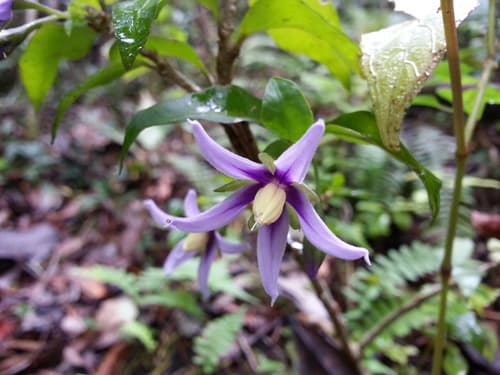
Solanum truncicola is a shrub or small tree characterized by simple, ovate to lanceolate green leaves. Its distinctive flowers are star-shaped with five pale purple to lavender petals and a prominent cone of bright yellow anthers at the center.