Solanum trifidum
NameSolanum trifidum
Scientific NameSolanum trifidum
Common NamesThree-lobed Nightshade
Plant FamilySolanaceae
Natural HabitatNative to the Andean regions of South America, it thrives in disturbed areas, roadsides, agricultural fields, and open forests, often found at moderate to high elevations.
Parts Used
Traditional UsesDue to the presence of toxic glycoalkaloids common in the Solanum genus, Solanum trifidum is not widely recognized for safe traditional medicinal uses. While some wild Solanum species have specific ethnobotanical applications, often with careful preparation or for external use, comprehensive and safe traditional medicinal uses for S. trifidum are not well-documented.
Active ConstituentsSteroidal glycoalkaloids (e.g., solanine, chaconine)
Contraindications & WarningsAll parts of Solanum trifidum are considered potentially toxic due to the presence of steroidal glycoalkaloids. Ingestion can cause gastrointestinal upset, neurological symptoms, and in severe cases, be fatal. It should not be used internally or externally without expert guidance.
Cultivation NotesThis species is often considered a weed in its native range. It can be propagated from seeds and prefers well-drained soils in full sun to partial shade. It is generally hardy and adaptable to various disturbed environments.
Raritycommon
Description
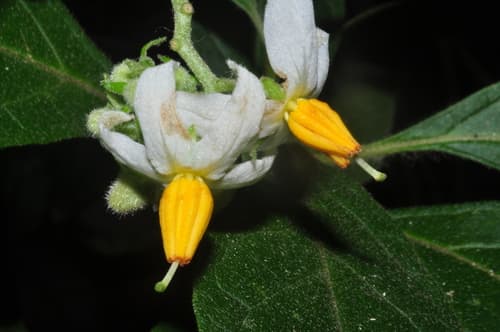
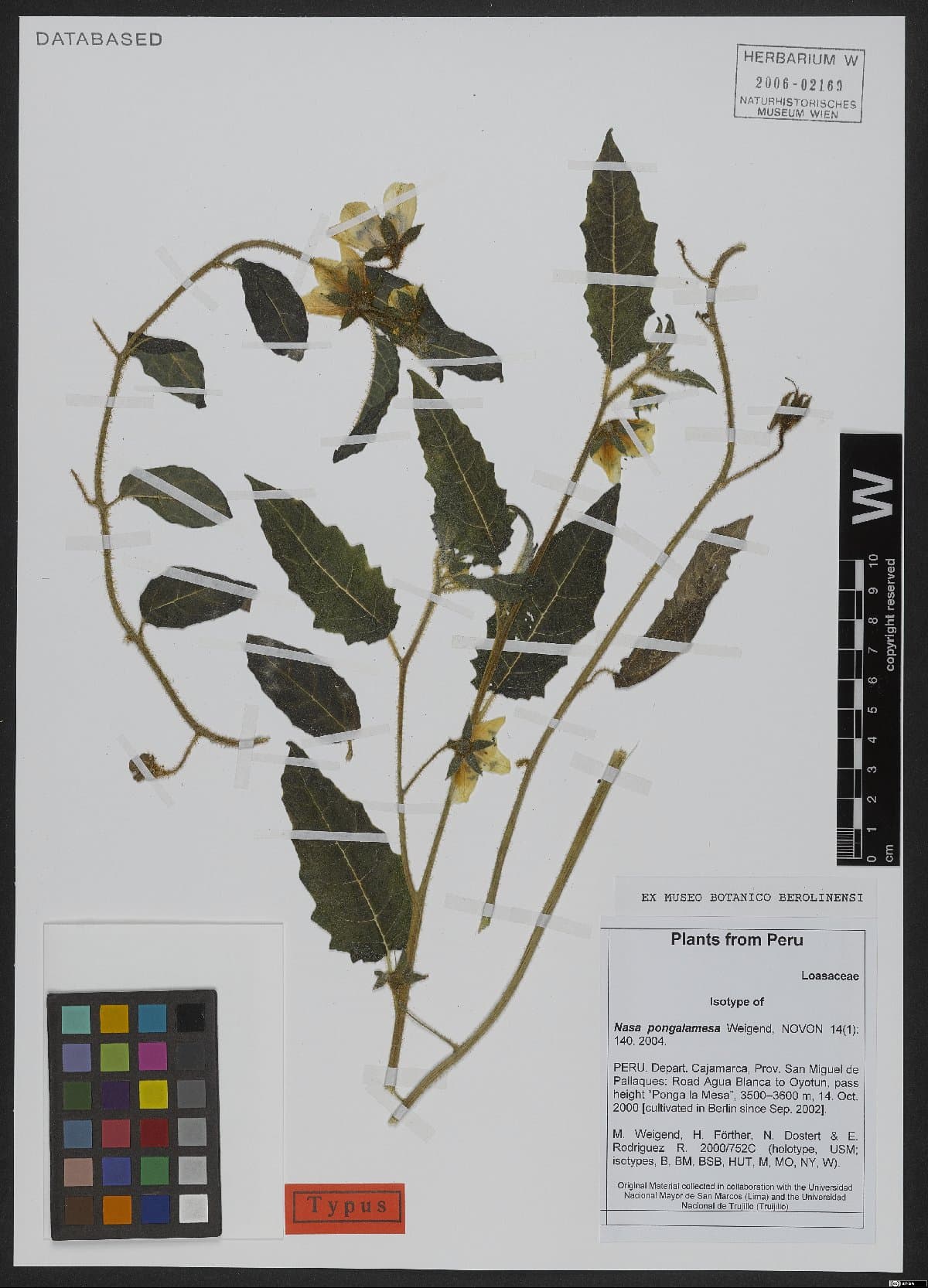
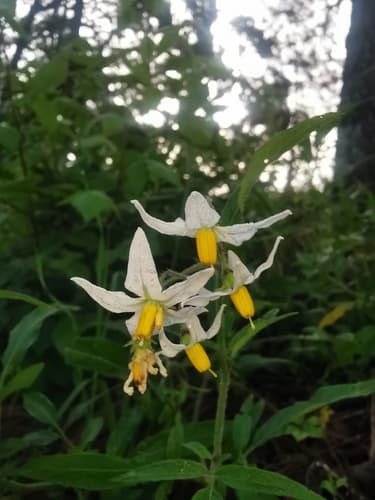
Solanum trifidum is a herbaceous perennial plant characterized by its white, star-shaped flowers with prominent yellow anthers, typical of the Solanum genus. Its leaves are often deeply lobed or trifid, giving it its specific epithet. The plant produces small, spherical berries.