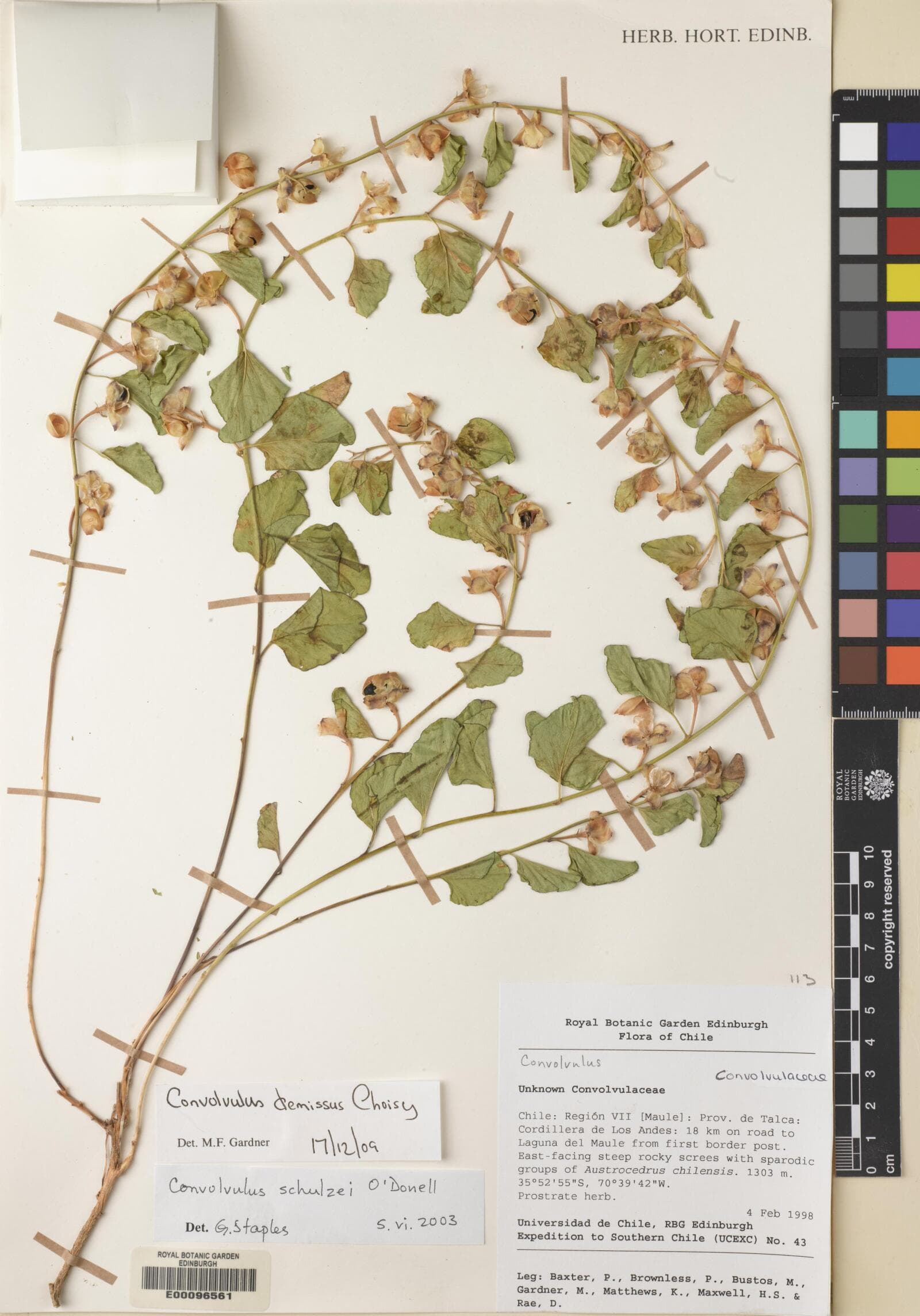
Cuscuta stenolepis
NameCuscuta stenolepis
Scientific NameCuscuta stenolepis
Common NamesDodder, Tu Si Zi (referring to seeds of related species like C. chinensis)
Plant FamilyConvolvulaceae
Natural HabitatTypically found in fields, disturbed areas, and roadsides, parasitizing a wide range of herbaceous and woody host plants.
Parts Usedflower,whole_plant,seed
Medicinal Actionsadaptogen, antioxidant, diuretic
Traditional UsesWhile specific traditional uses for *Cuscuta stenolepis* are less documented, the genus *Cuscuta*, particularly species like *C. chinensis* (Tu Si Zi), is traditionally used in Chinese medicine to tonify the kidneys and liver, improve vision, strengthen bones, and address issues like impotence, premature ejaculation, frequent urination, and lower back pain.
Active Constituentsflavonoids, lignans, polysaccharides, saponins
Preparation Methodsinfusion, decoction, powder
Contraindications & WarningsGenerally contraindicated during pregnancy, for individuals with excess heat conditions, or those experiencing constipation. Consultation with a healthcare professional is advised.
Cultivation NotesAs a parasitic plant, *Cuscuta stenolepis* cannot be cultivated independently. It requires a suitable host plant to germinate and grow, making traditional cultivation methods impractical.
Raritycommon
Description
Cuscuta stenolepis is a parasitic plant characterized by its thin, thread-like, orange or yellowish stems that twine around host plants. Lacking chlorophyll, it obtains all nutrients from its host, producing small, pale, bell-shaped flowers in clusters along its stems.