Eastern Black Nightshade
NameEastern Black Nightshade
Scientific NameSolanum nigrum
Common NamesBlack Nightshade, Garden Nightshade, Hound's Berry
Plant FamilySolanaceae
Natural HabitatCommonly found in disturbed areas, cultivated fields, gardens, waste places, roadsides, and open woodlands across temperate and tropical regions worldwide.
Parts Usedleaf,fruit,whole_plant
Medicinal Actionsanalgesic, anti-inflammatory, sedative
Traditional UsesTraditionally, the plant (especially leaves and ripe berries) has been used externally for skin conditions, boils, and wounds due to its anti-inflammatory and analgesic properties. Internally, it has been used cautiously as a sedative or narcotic, and for fever, but this carries significant risk due to its toxicity.
Active ConstituentsSolanine, Solamargine, Solasonine, Saponins, Flavonoids
Preparation Methodspoultice, decoction, infusion
Contraindications & WarningsAll parts of the plant, especially unripe berries, are toxic due to glycoalkaloids. Ingestion can cause nausea, vomiting, diarrhea, abdominal pain, drowsiness, confusion, and in severe cases, paralysis and death. Should not be used internally without expert medical or herbal supervision. Avoid during pregnancy and lactation.
Cultivation NotesGrows easily from seed in most soil types, preferring full sun to partial shade. It is often considered a weed and can be quite invasive.
Raritycommon
Description
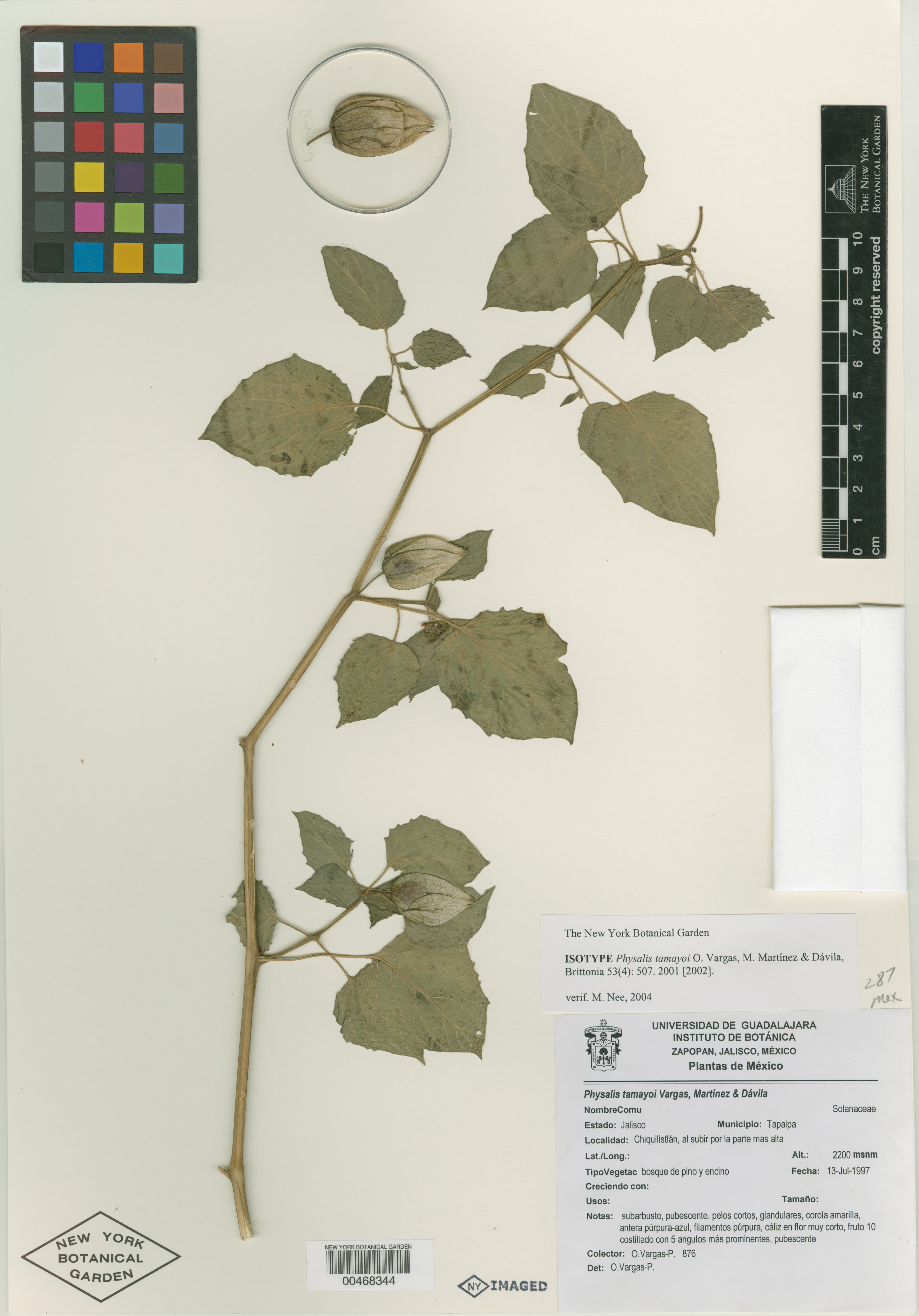
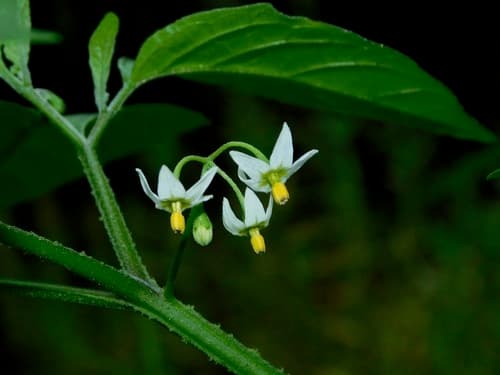
An annual or short-lived perennial herbaceous plant, typically growing up to 60 cm tall. It features ovate to lanceolate leaves and small white, star-shaped flowers with prominent yellow anthers, which develop into small, round, black berries when ripe.