Solanum subvelutinum
NameSolanum subvelutinum
Scientific NameSolanum subvelutinum
Common NamesVelvety Nightshade, Velvet Nightshade
Plant FamilySolanaceae
Natural HabitatNative to South America, particularly Brazil, Paraguay, and Argentina, it is often found in disturbed areas, forest edges, clearings, and open woodlands.
Parts Usedleaf,fruit
Medicinal Actionsanti-inflammatory, analgesic
Traditional UsesTraditional medicinal uses for Solanum subvelutinum are poorly documented. However, other species within the Solanum genus have been traditionally used for their anti-inflammatory and analgesic properties, often applied externally for skin conditions, pain, or fever, due to the presence of steroidal glycoalkaloids.
Active Constituentssteroidal glycoalkaloids
Preparation Methodspoultice
Contraindications & WarningsAll parts of Solanum subvelutinum, especially unripe fruits, are likely toxic due to the presence of steroidal glycoalkaloids. Ingestion can cause gastrointestinal upset, neurological symptoms, and can be fatal. Should not be used internally without expert guidance.
Cultivation NotesThis species prefers full sun to partial shade and well-drained soils. It can tolerate a range of soil types and is often found in disturbed habitats, suggesting it is relatively easy to grow in suitable climates.
Raritycommon
Description
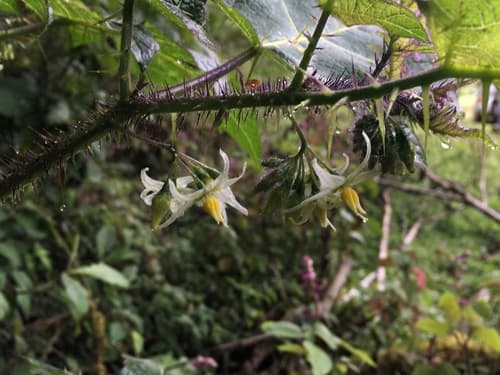
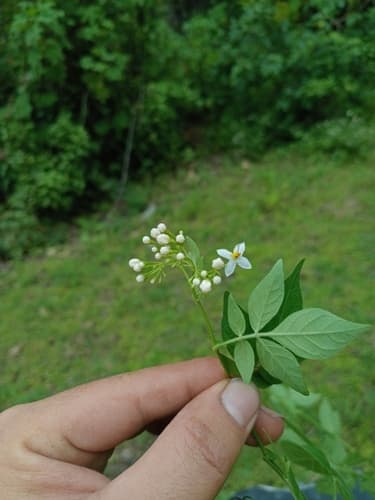
Solanum subvelutinum is typically an erect or sprawling shrub, growing up to 2 meters tall, characterized by stems and leaves densely covered in soft, velvety hairs. Its leaves are simple, ovate to elliptic, often entire or shallowly lobed, and it produces small, star-shaped white flowers with yellow centers in cymes, followed by spherical berries that ripen from green to black.