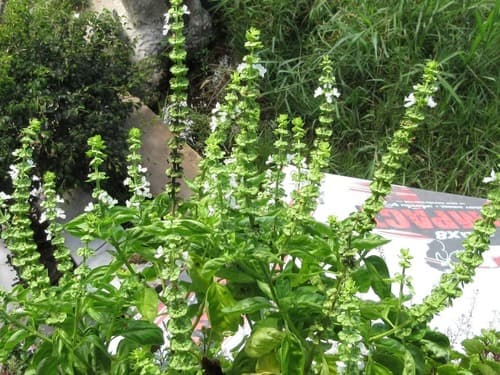
Basil
NameBasil
Scientific NameOcimum basilicum
Common NamesBasil, Sweet Basil, Great Basil
Plant FamilyLamiaceae
Natural HabitatNative to tropical regions of Central Africa and Southeast Asia, basil thrives in warm, sunny climates with well-drained soil. It is widely cultivated globally in gardens and as a culinary herb.
Parts Usedleaf,flower,seed
Medicinal Actionsanti-inflammatory, antimicrobial, antioxidant, carminative, adaptogen, nervine
Traditional UsesTraditionally, basil has been used to aid digestion, relieve flatulence, and reduce symptoms of colds and coughs. It is also employed as a nervine to calm the nervous system and as an adaptogen to help the body cope with stress. In some traditional systems, it's used for skin conditions and as an insect repellent.
Active Constituentseugenol, linalool, methyl chavicol (estragole), limonene, cineole, flavonoids, tannins
Preparation Methodsinfusion, essential oil, powder, salve
Contraindications & WarningsPregnant or breastfeeding women should use basil, especially its essential oil, with caution. Large doses may interact with anticoagulant medications due to its vitamin K content. Individuals with bleeding disorders or those on blood-thinning medication should consult a healthcare professional.
Cultivation NotesBasil prefers full sun and consistently moist, well-drained soil. It is sensitive to cold and frost, thriving in warm temperatures. Pinching back flower stalks encourages bushier growth and prolongs leaf production, enhancing its culinary and medicinal yield.
Raritycommon
Description
Basil is an aromatic annual herb characterized by its bright green, ovate leaves and square stems. It produces spikes of small, white to pale pink flowers arranged in whorls. The plant is highly valued for its distinctive fragrance and flavor.