Solanum stenophyllidium
NameSolanum stenophyllidium
Scientific NameSolanum stenophyllidium
Common NamesWild Potato, Papa Silvestre
Plant FamilySolanaceae
Natural HabitatNative to the high-altitude Andean regions of Bolivia and Peru, found in puna grasslands, rocky slopes, and disturbed areas, often at elevations between 3000 and 4000 meters.
Parts Usedroot,leaf
Medicinal Actionsanti-inflammatory, antimicrobial
Traditional UsesPrimarily known as a wild food source, with tubers traditionally consumed after extensive processing (e.g., boiling, peeling, drying) to reduce toxic glycoalkaloids. While some Solanum species are used in traditional medicine for external applications like poultices for skin ailments or inflammation, specific medicinal uses for S. stenophyllidium are not widely documented.
Active Constituentssteroidal glycoalkaloids, solanine, chaconine, steroidal saponins
Preparation Methodsdecoction, poultice, powder
Contraindications & WarningsHighly toxic if consumed raw or improperly prepared due to high levels of glycoalkaloids. Can cause severe gastrointestinal upset, neurological symptoms, and in extreme cases, death. Not recommended for internal medicinal use without expert guidance and detoxification processes. Avoid during pregnancy, lactation, and in children.
Cultivation NotesPrefers cool, high-altitude climates with well-drained, sandy-loam soils. Requires full sun. Primarily cultivated for genetic research and breeding programs due to its resistance to pests and diseases, rather than for direct consumption or medicinal use.
Rarityuncommon
Description
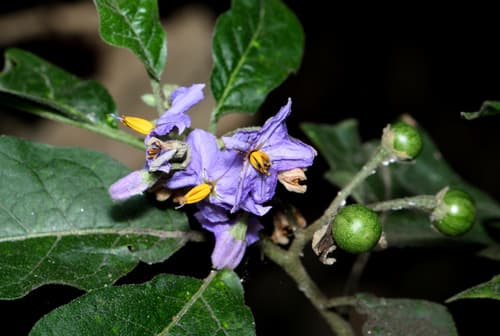
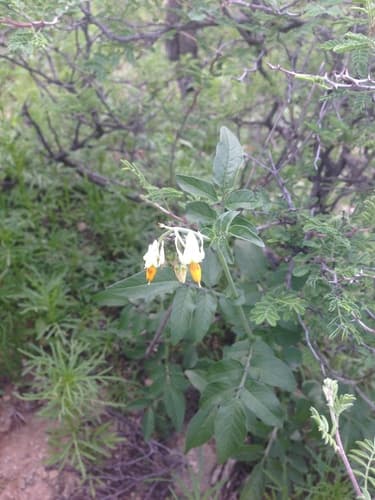
Solanum stenophyllidium is a herbaceous perennial plant, typically growing from tubers. It features pinnately compound leaves and clusters of white flowers with prominent yellow anthers, characteristic of the Solanum genus.