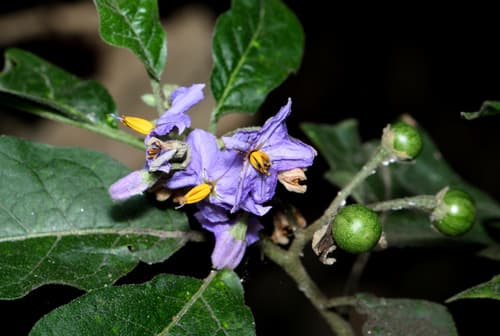
Solanum pseudosaponaceum
NameSolanum pseudosaponaceum
Scientific NameSolanum pseudosaponaceum
Common NamesFalse Soapberry Nightshade, Soapberry Nightshade
Plant FamilySolanaceae
Natural HabitatNative to tropical and subtropical regions, often found in disturbed areas, forest margins, and open woodlands.
Parts Usedleaf,fruit,root
Medicinal Actionsanti-inflammatory, antimicrobial
Traditional UsesTraditionally, the plant has been used as a soap substitute due to its saponin content. In some folk medicine, it has been applied topically for skin conditions and wounds, and internally as an emetic or purgative, though such internal use is highly risky due to toxicity.
Active ConstituentsSteroidal glycoalkaloids, Saponins
Preparation Methodspoultice, infusion
Contraindications & WarningsAll parts of the plant are considered toxic due to steroidal glycoalkaloids and saponins. Internal use is highly discouraged and potentially fatal. Avoid use by pregnant/nursing women, children, and individuals with liver or kidney conditions. May cause gastrointestinal upset, neurological symptoms, and skin irritation.
Cultivation NotesThrives in tropical and subtropical climates, preferring full sun to partial shade and well-drained soil. It can be propagated from seeds.
Raritycommon
Description
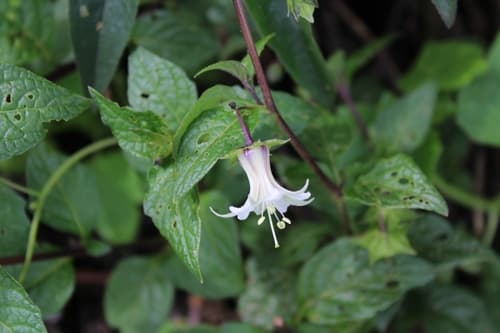
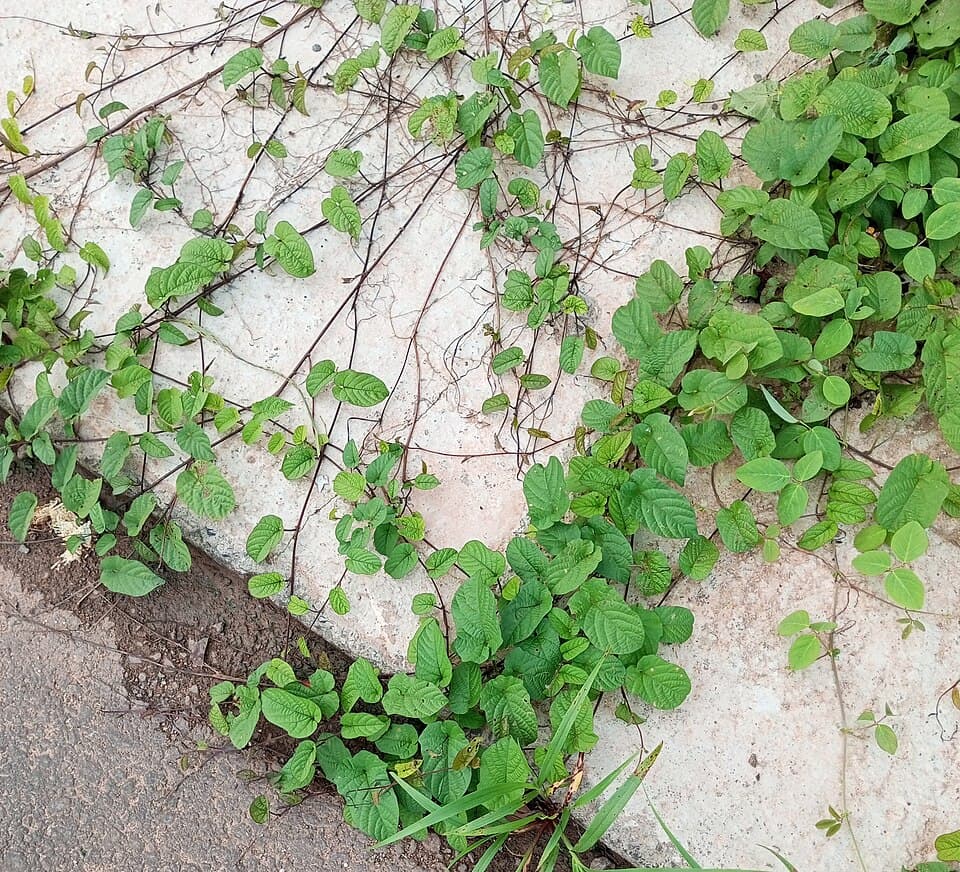
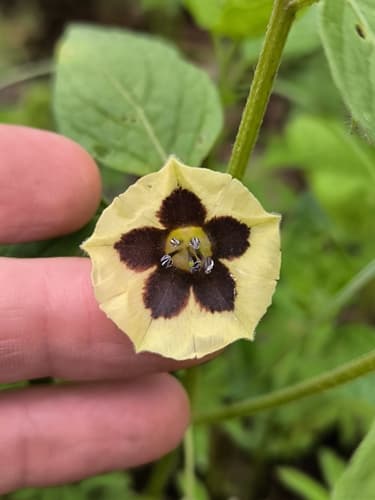
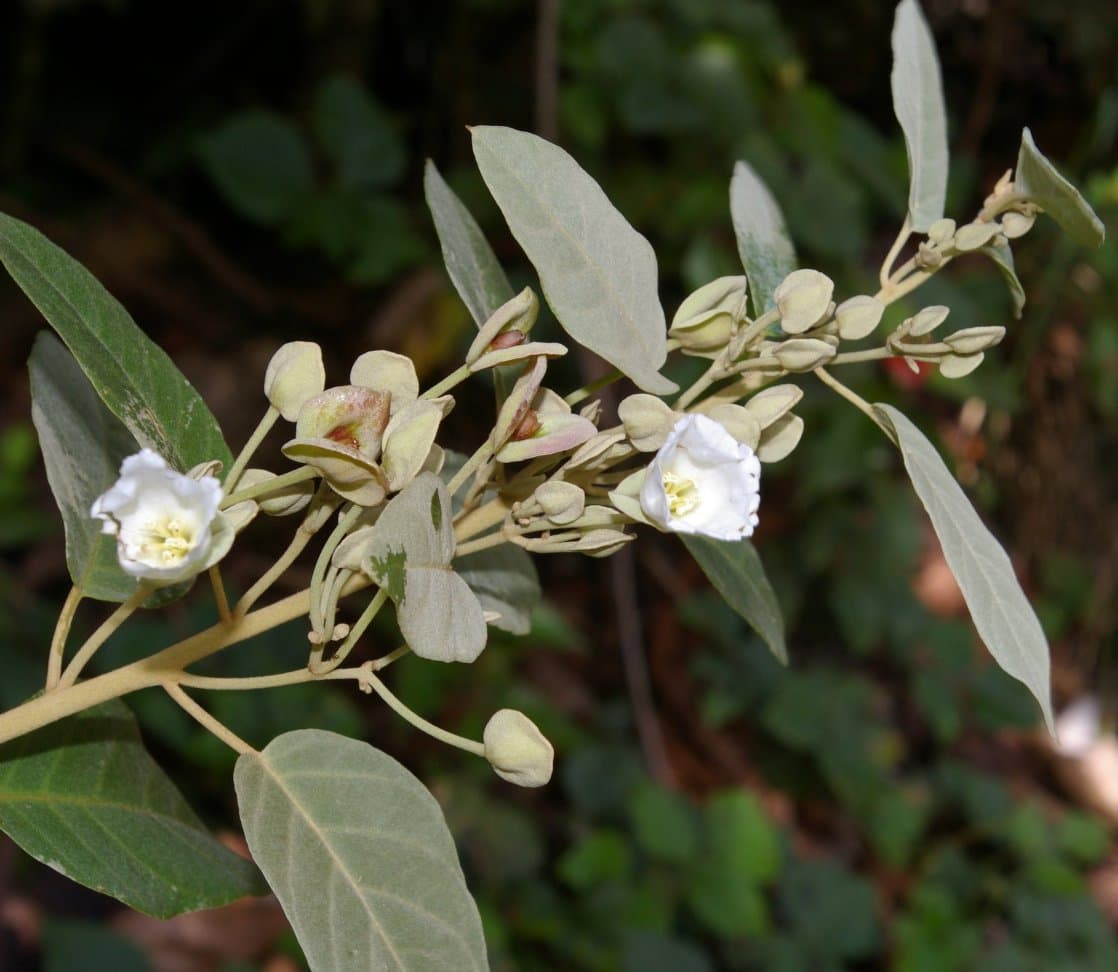
A perennial shrub or small tree, typically growing up to 3 meters tall. It features ovate leaves, clusters of purple, star-shaped flowers with prominent yellow anthers, and produces small, round, green fruits that ripen to yellow or orange.