Alecost (Costmary)
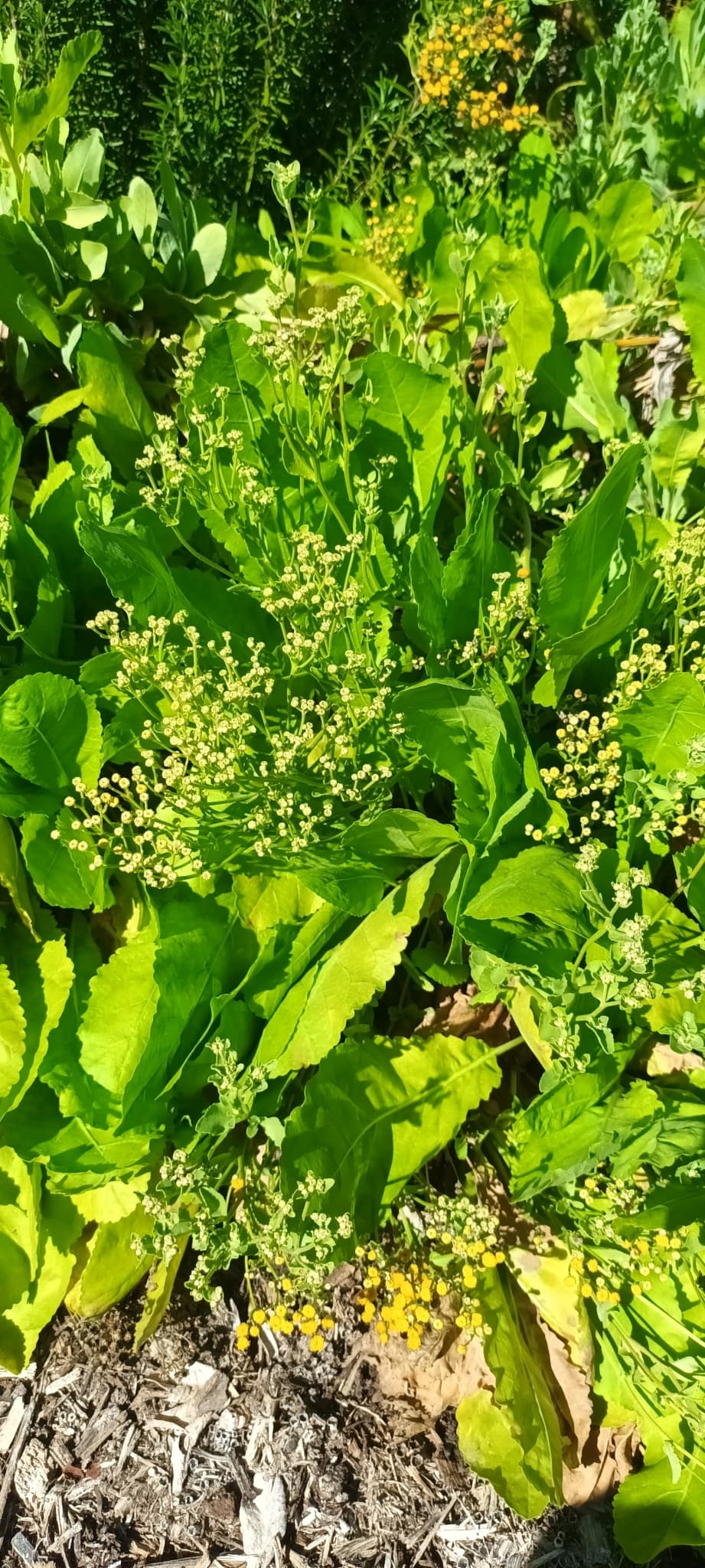
Image: isaac_ayoub (cc-by-nc)
NameAlecost (Costmary)
Scientific NameTanacetum balsamita
Common NamesAlecost, Costmary, Bible Leaf, Mint Geranium
Plant FamilyAsteraceae
Natural HabitatNative to Eurasia, Costmary thrives in temperate climates. It is commonly found in meadows, open woodlands, and disturbed areas, and is widely cultivated in herb gardens.
Parts Usedleaf,flower
Medicinal Actionscarminative, astringent, anti-inflammatory, nervine
Traditional UsesTraditionally, Costmary leaves were used to aid digestion, relieve flatulence, and treat stomach ailments due to their carminative properties. It was also employed as a bitter tonic, for menstrual issues, and externally for skin conditions or as an insect repellent. The leaves were historically added to ale for flavor and preservation.
Active Constituentscarvone, thujone, camphor, flavonoids, sesquiterpene lactones
Preparation Methodsinfusion, tincture, powder
Contraindications & WarningsDue to the presence of thujone in some chemotypes, excessive internal use should be avoided, especially by pregnant or breastfeeding women, and individuals with seizure disorders. Allergic reactions are possible in sensitive individuals, particularly those sensitive to other plants in the Asteraceae family.
Cultivation NotesCostmary is a hardy perennial that prefers full sun to partial shade and well-drained soil. It is drought-tolerant once established and can spread vigorously via rhizomes. It is easily propagated by division or seed.
Raritycommon
Description
Tanacetum balsamita is a perennial herbaceous plant known for its strongly aromatic, oblong-elliptic leaves. It typically grows 2-3 feet tall, producing small, button-like flower heads, often with inconspicuous ray florets, in terminal clusters.