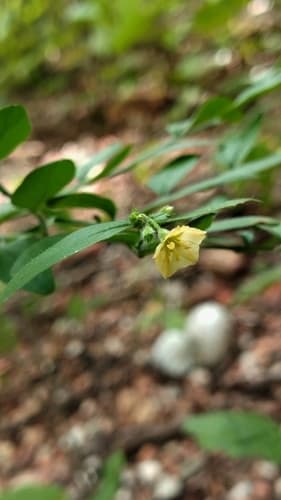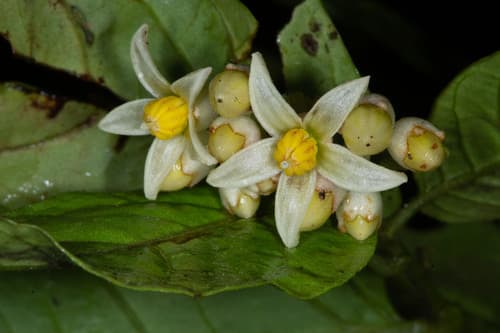
Solanum crassinervium
NameSolanum crassinervium
Scientific NameSolanum crassinervium
Plant FamilySolanaceae
Natural HabitatNative to tropical and subtropical regions of South America, particularly found in montane forests, cloud forests, and sometimes disturbed areas at various altitudes.
Parts Used
Traditional UsesThere is very limited widely documented traditional medicinal use for Solanum crassinervium. Like many species in the Solanum genus, it is presumed to contain steroidal glycoalkaloids, which can be toxic. Therefore, it is not generally considered a medicinal plant for common use.
Active ConstituentsSteroidal glycoalkaloids (e.g., solanine, solamargine, solasonine)
Contraindications & WarningsDue to the likely presence of steroidal glycoalkaloids common in the Solanum genus, Solanum crassinervium should be considered potentially toxic. Internal use is strongly contraindicated without expert identification, preparation, and dosage, as it can cause gastrointestinal distress, neurological symptoms, and other adverse effects. Pregnant or nursing individuals, children, and those with liver or kidney conditions should avoid use.
Cultivation NotesPrefers warm, humid climates typical of its native tropical montane forest habitat. Requires well-drained, fertile soil and partial shade to full sun depending on specific ecotype. Propagation is typically by seed.
Rarityuncommon
Description
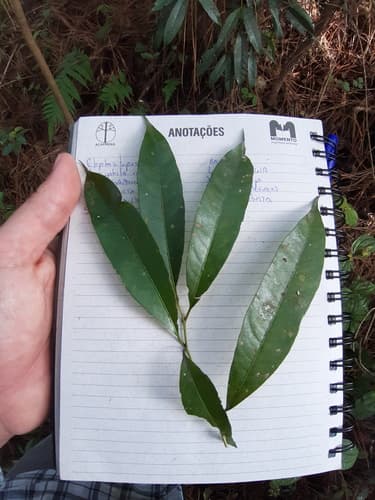
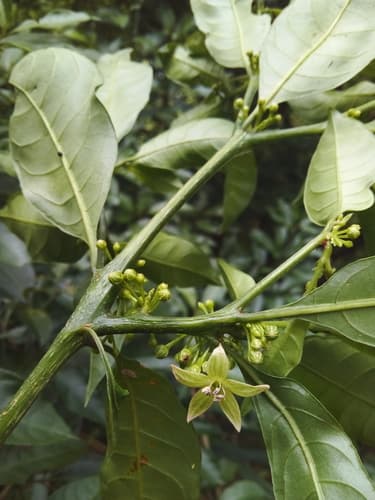
Solanum crassinervium is a species of nightshade characterized by its large, often thick-veined leaves. It produces clusters of star-shaped flowers, typically white or pale cream with prominent yellow anthers, which develop into berries. The image shows an inflorescence with open flowers and developing buds/fruits.