Solanum siphonobasis
NameSolanum siphonobasis
Scientific NameSolanum siphonobasis
Plant FamilySolanaceae
Natural HabitatNative to the Andean regions of South America, particularly in countries like Ecuador and Peru. It typically grows in montane forests, cloud forests, and disturbed areas at moderate to high elevations.
Parts Usedleaf,fruit
Medicinal Actionsanti-inflammatory, analgesic, antimicrobial
Traditional UsesSpecific traditional medicinal uses for Solanum siphonobasis are not widely documented. However, other species within the Solanum genus are traditionally used for their anti-inflammatory, analgesic, and antimicrobial properties, often applied externally for skin conditions, pain, or fever, always with extreme caution due to potential toxicity.
Active Constituentssteroidal glycoalkaloids
Preparation Methodspoultice, decoction
Contraindications & WarningsAll parts of Solanum siphonobasis, like many Solanum species, are potentially toxic due to the presence of steroidal glycoalkaloids. Internal use is strongly contraindicated without expert medical supervision. Avoid during pregnancy, lactation, and in children. External use should also be approached with caution.
Cultivation NotesThis species prefers well-drained soil and can tolerate conditions ranging from full sun to partial shade. As a montane species, it may thrive in cooler temperatures and higher humidity. Propagation is typically achieved by seed or cuttings.
Rarityuncommon
Description
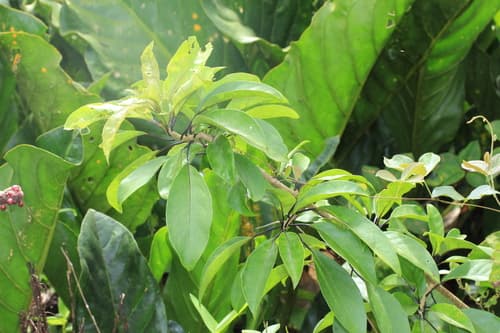
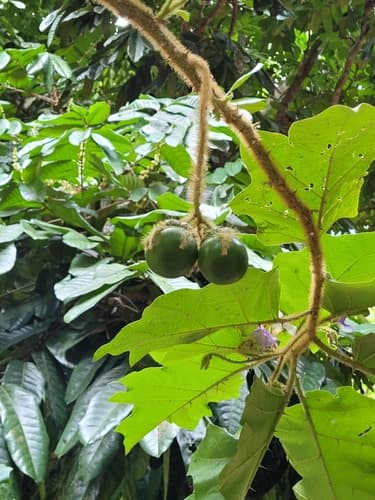
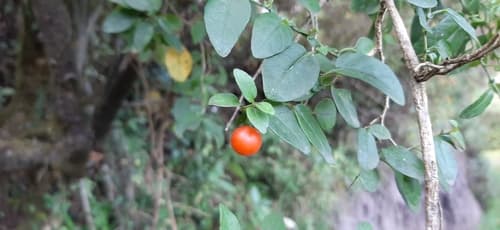
Solanum siphonobasis is a shrub or small tree characterized by simple, alternate, ovate to elliptic leaves. It produces small, globose berries that ripen to an orange-red color, as seen in the image, and are typically found singly or in small clusters. Flowers, though not visible, are generally white or purplish.