Solandra paraensis
NameSolandra paraensis
Scientific NameSolandra paraensis
Common NamesPara Cup of Gold
Plant FamilySolanaceae
Natural HabitatNative to tropical regions of South America, particularly the Amazon basin in Brazil (Pará state). It thrives in humid forest environments, often growing as an epiphyte on other trees or as a scrambling shrub.
Parts Usedleaf,flower,bark
Medicinal Actionsanalgesic, nervine, sedative
Traditional UsesTraditionally, Solandra species, including S. paraensis, have been used by indigenous communities for their potent psychoactive and medicinal properties. Uses include pain relief, sedation, and in shamanic rituals for divination or spiritual purposes. Due to its extreme toxicity, internal use is highly dangerous and typically restricted to experienced practitioners.
Active Constituentshyoscyamine, scopolamine, atropine
Preparation Methodsinfusion, poultice, powder
Contraindications & WarningsExtremely toxic and potentially lethal. Not for internal use by untrained individuals. Can cause severe anticholinergic poisoning, including dry mouth, blurred vision, tachycardia, hallucinations, delirium, coma, and death. Avoid during pregnancy, breastfeeding, and in individuals with heart conditions, glaucoma, or prostate enlargement. Interacts dangerously with other anticholinergic drugs, sedatives, and CNS depressants.
Cultivation NotesPrefers warm, humid, tropical to subtropical climates with well-drained soil. Can be grown as a climbing vine or shrub and is often cultivated for its ornamental flowers. Propagation is typically by cuttings.
Rarityuncommon
Description
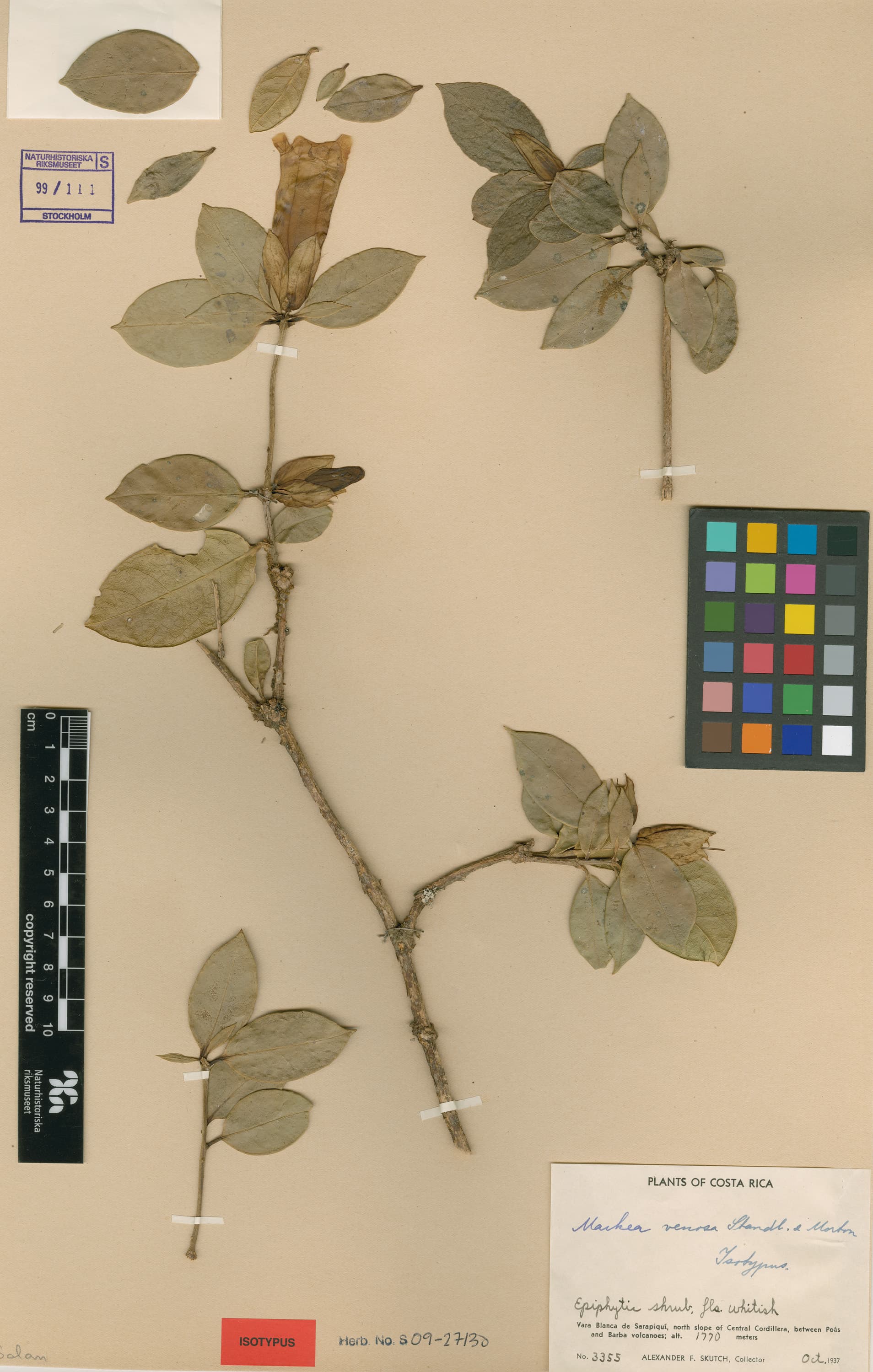
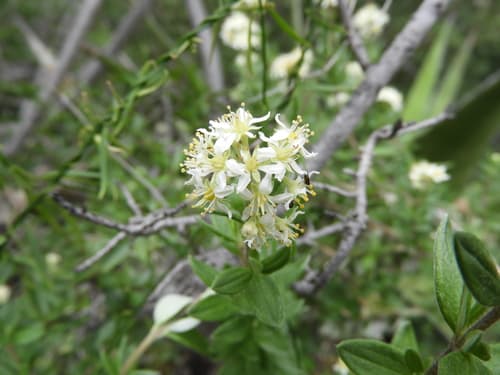
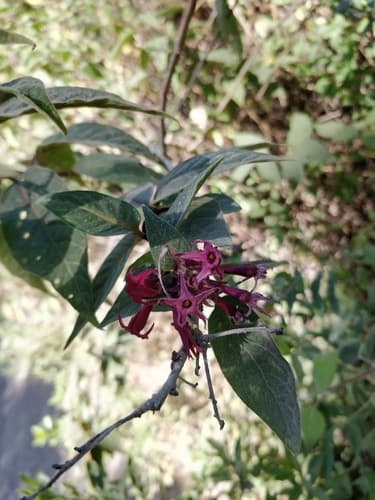
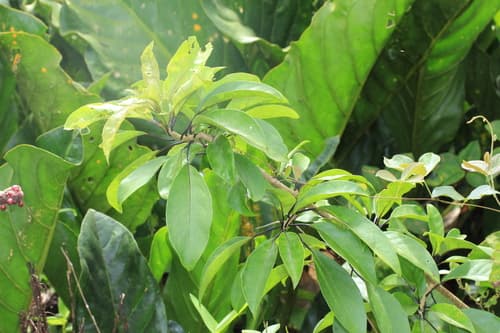
Solandra paraensis is a woody vine or scrambling shrub, often epiphytic, characterized by large, glossy, alternate, simple leaves. While not visible in the image, it is known for producing large, showy, trumpet-shaped flowers.