Solanum semisucculentum
NameSolanum semisucculentum
Scientific NameSolanum semisucculentum
Plant FamilySolanaceae
Natural HabitatEndemic to Madagascar, typically found in dry deciduous forests, scrublands, or rocky areas.
Parts Usedleaf,fruit
Medicinal Actionsanti-inflammatory, analgesic, antimicrobial
Traditional UsesWhile specific traditional uses for *Solanum semisucculentum* are not widely documented, other species within the *Solanum* genus are traditionally used for their anti-inflammatory and analgesic properties, often applied topically for skin ailments, pain, or swelling. Internal use of many *Solanum* species is highly cautioned due to the presence of toxic glycoalkaloids.
Active Constituentssteroidal glycoalkaloids, solanine, solamargine
Preparation Methodspoultice, tincture
Contraindications & WarningsAll parts of the plant, especially unripe fruits, are likely toxic due to steroidal glycoalkaloids. Ingestion can cause gastrointestinal upset, neurological symptoms, and other adverse effects. Avoid use during pregnancy, lactation, and in individuals with liver or kidney conditions. Consult a healthcare professional before any use.
Cultivation NotesPrefers warm, tropical to subtropical climates and well-drained soil. Can tolerate some drought conditions due to its semi-succulent nature. Propagated by seed or cuttings and requires adequate sunlight.
Rarityrare
Description
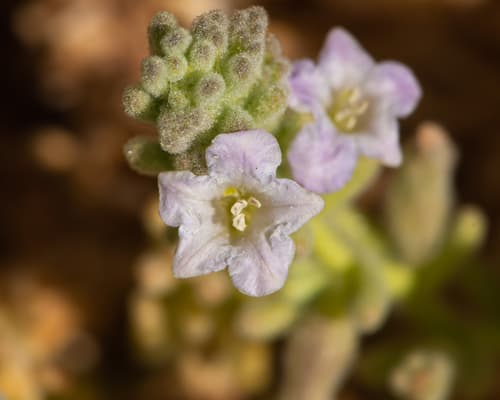
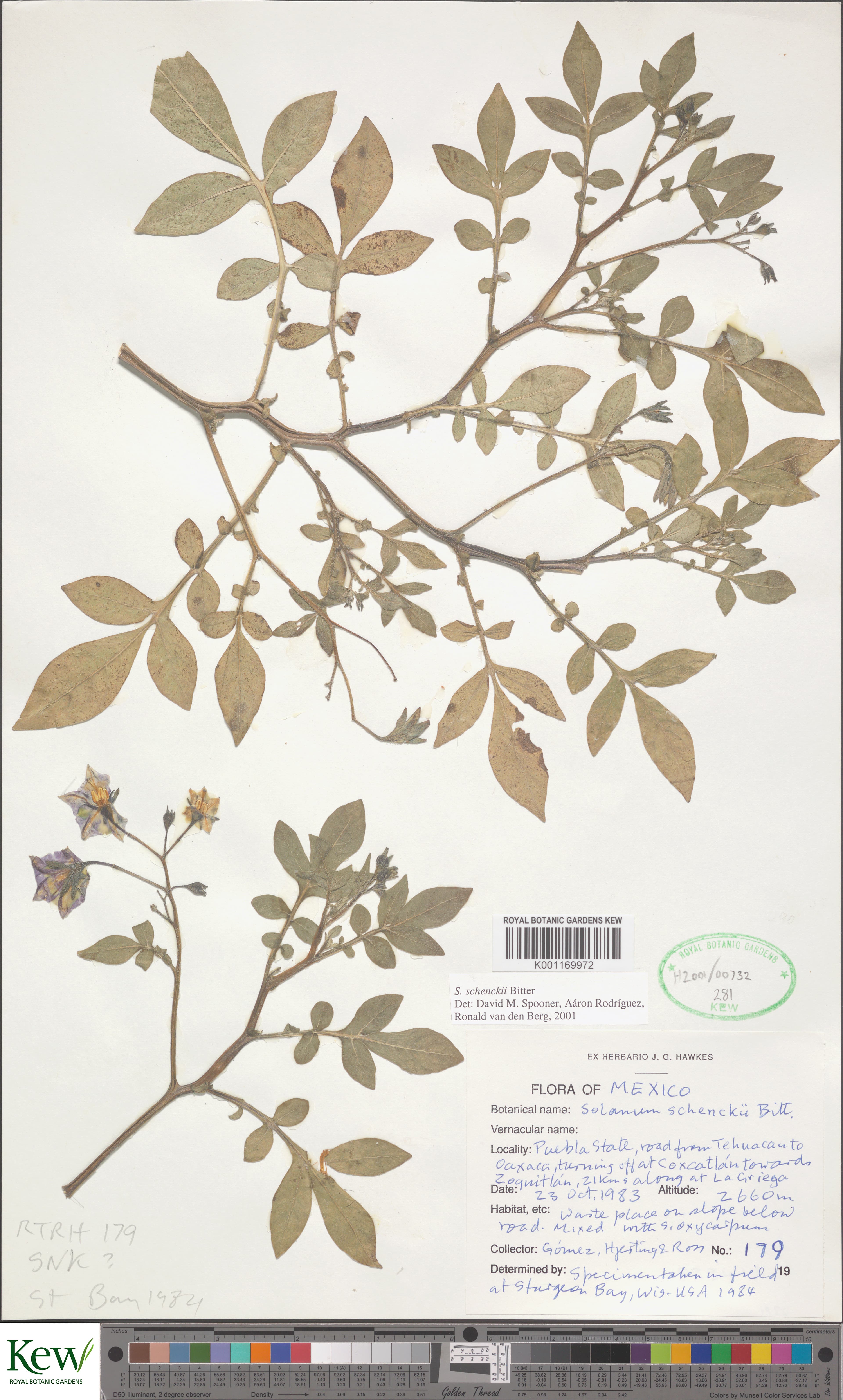
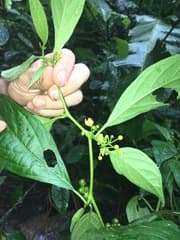
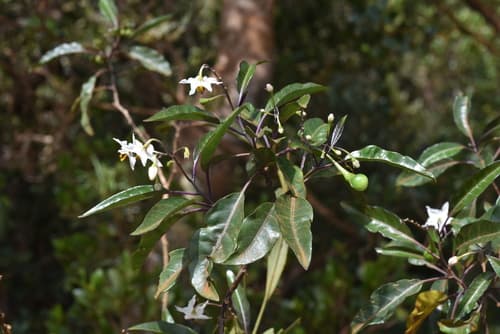
This is a shrubby plant characterized by its dark green, somewhat glossy, simple leaves and often purplish stems. It produces small, star-shaped white flowers with prominent yellow anthers, typically arranged in clusters. The plant also bears green, ovoid to tear-drop shaped berries, which are unripe in the image.