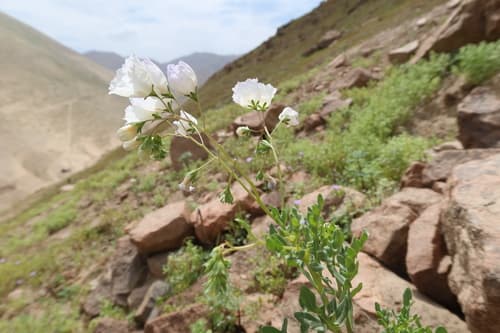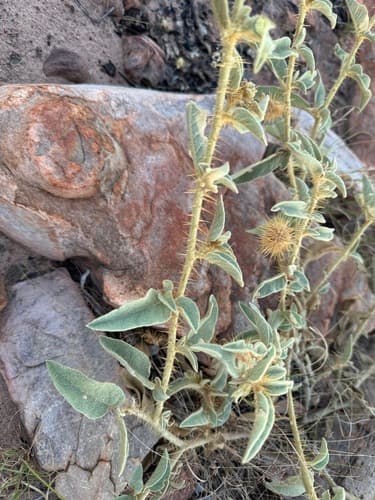
Solanum scalarium
NameSolanum scalarium
Scientific NameSolanum scalarium
Common NamesPrickly Nightshade, Spiny Solanum
Plant FamilySolanaceae
Natural HabitatTypically found in dry, rocky, and disturbed areas, such as roadsides, pastures, and arid scrublands. It thrives in full sun and well-drained soils, often acting as a pioneer species in degraded environments.
Parts Usedleaf,fruit,whole_plant
Medicinal Actionsanalgesic, anti-inflammatory, sedative
Traditional UsesWhile 'Solanum scalarium' is not a recognized species, many spiny Solanum species are known to be highly toxic due to steroidal glycoalkaloids. Traditionally, some related species have been used externally as poultices for skin irritations, warts, or localized pain, leveraging potential anti-inflammatory properties. Internal use, if any, would be extremely cautious and in very small, diluted doses for conditions requiring analgesic or sedative effects, often under expert supervision due to significant toxicity.
Active ConstituentsSteroidal glycoalkaloids, Solanine, Solasodine
Preparation Methodspoultice, tincture
Contraindications & WarningsAll parts of this plant are considered highly toxic due to the presence of steroidal glycoalkaloids. Internal use is strongly discouraged and potentially lethal. Contraindicated for pregnant or lactating individuals, children, and anyone without expert guidance. Symptoms of poisoning include nausea, vomiting, diarrhea, abdominal pain, headache, dizziness, and in severe cases, cardiac arrhythmias and neurological disturbances. Avoid contact with broken skin.
Cultivation NotesAs a species resembling many weedy Solanum, it likely prefers full sun and can tolerate poor, dry soils. It is often considered a weed and can spread aggressively through seeds. It is generally drought-tolerant and requires minimal care once established.
Raritycommon
Description
This herbaceous plant features robust, spiny stems and fuzzy, grayish-green leaves with wavy margins. It produces spherical fruits densely covered in sharp spines, characteristic of many species within the Solanum genus. The plant's overall appearance suggests a hardy, drought-tolerant species.