Nicotiana cavicola
NameNicotiana cavicola
Scientific NameNicotiana cavicola
Common NamesCave Tobacco, Wild Tobacco
Plant FamilySolanaceae
Natural HabitatEndemic to specific cave systems and rock shelters in the Kimberley region of Western Australia, thriving in low light and high humidity environments.
Parts Usedleaf,flower
Medicinal Actionsnervine, analgesic
Traditional UsesTraditionally, various Nicotiana species, including wild tobaccos, have been used by indigenous cultures for ceremonial purposes, as a stimulant, a mild sedative, or topically for pain relief and insect bites. Due to its high toxicity, internal use is extremely dangerous and not recommended.
Active ConstituentsNicotine, Anabasine, Nornicotine
Preparation Methodspoultice, powder
Contraindications & WarningsEXTREMELY TOXIC. Not for internal use. Contraindicated in pregnancy, lactation, children, individuals with heart conditions, hypertension, neurological disorders, or respiratory issues. Interacts with numerous medications. Handling can cause nicotine absorption through the skin.
Cultivation NotesThis species is adapted to specific cave environments, requiring low light, high humidity, and specific soil conditions. It is not typically cultivated outside its natural habitat due to its specialized needs and toxicity.
Rarityvery-rare
Description
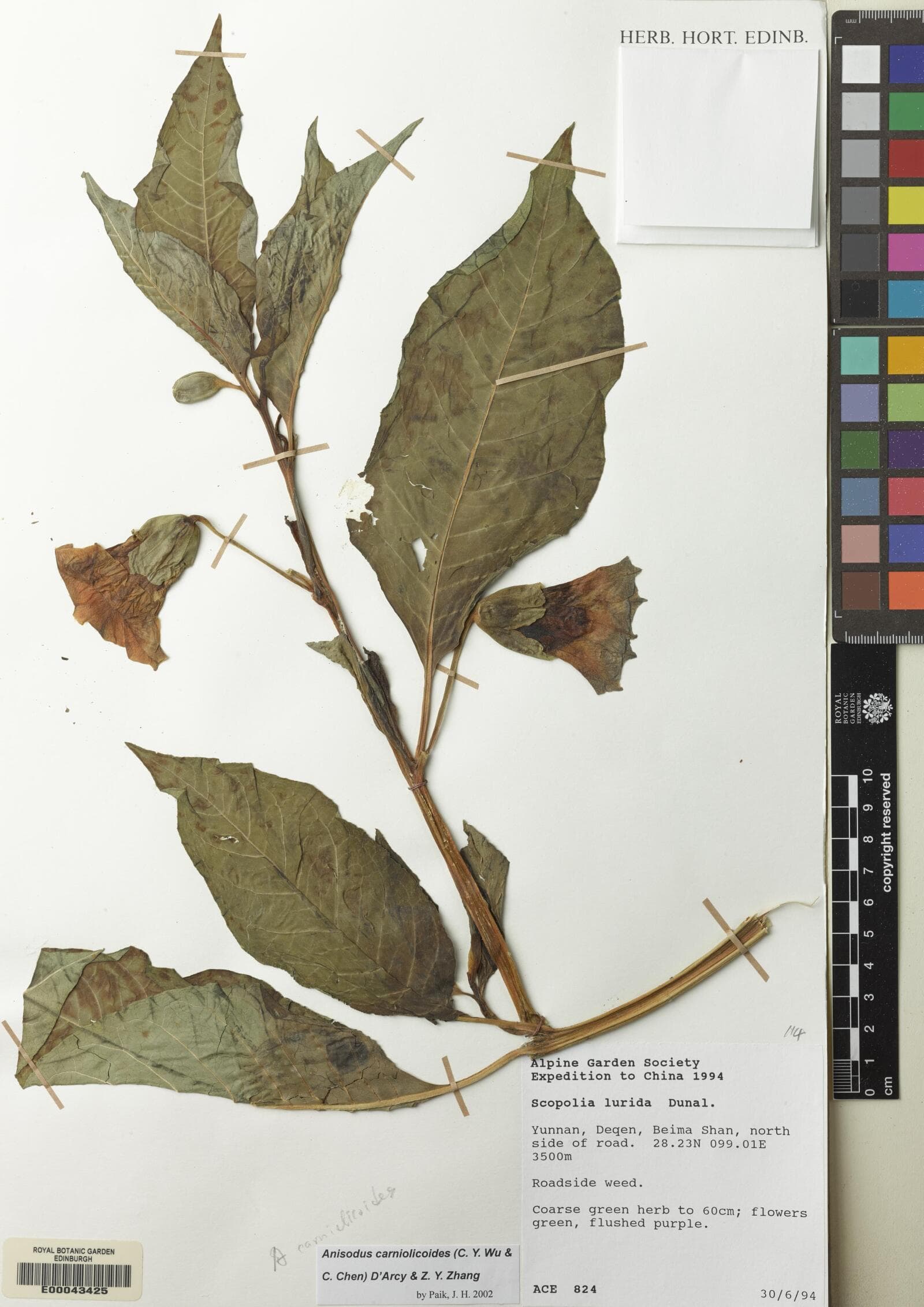
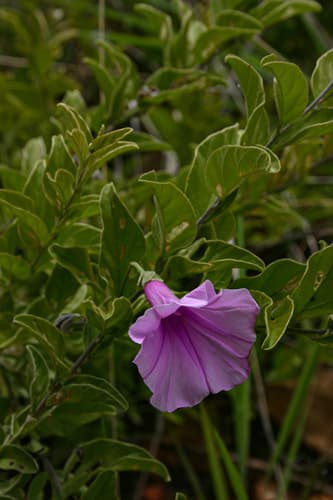
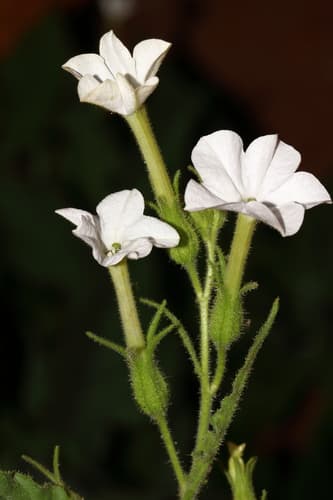
A herbaceous plant characterized by its white, trumpet-shaped flowers and often hairy stems and calyxes. It typically grows as an annual or short-lived perennial. The flowers are arranged in terminal clusters.