Solanum edmondstonii
NameSolanum edmondstonii
Scientific NameSolanum edmondstonii
Plant FamilySolanaceae
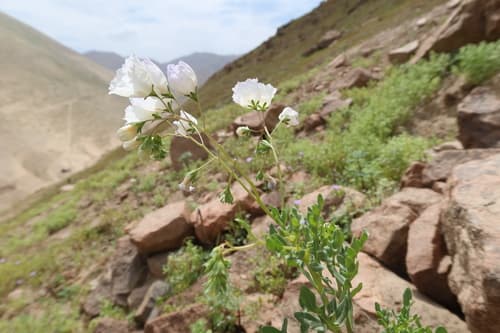
Natural HabitatEndemic to the high Andes of Ecuador and Peru, thriving in rocky, arid, high-altitude páramo and puna zones, often found among scree slopes and rocks.
Parts Usedwhole_plant
Medicinal Actionsanti-inflammatory, antimicrobial
Traditional UsesNo specific traditional medicinal uses are well-documented for Solanum edmondstonii. While some species within the Solanum genus have ethnobotanical applications, often with significant toxicity concerns, direct evidence for this particular species is lacking.
Active Constituentssteroidal glycoalkaloids
Preparation Methodspoultice, powder
Contraindications & WarningsAll parts of Solanum edmondstonii are presumed toxic due to the likely presence of steroidal glycoalkaloids, common in the Solanum genus. Ingestion can cause severe gastrointestinal distress, neurological symptoms, and potentially be fatal. Topical use should also be approached with extreme caution due to potential skin irritation and systemic absorption. This plant should not be used medicinally without extensive research and expert guidance.
Cultivation NotesRequires well-drained, rocky soil and full sun exposure. It is adapted to high-altitude, cold, and arid conditions, making it challenging to cultivate outside its native Andean habitat.
Rarityuncommon
Description
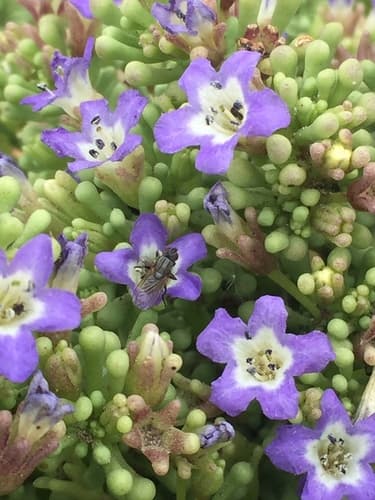
Solanum edmondstonii is a perennial herb or subshrub, forming cushion-like growths in high-altitude environments. It features small, often fleshy, deeply lobed leaves and clusters of white to pale lilac, bell-shaped flowers.