Ipomoea invicta
NameIpomoea invicta
Scientific NameIpomoea invicta
Common NamesInvicta Morning Glory, Bolivian Morning Glory
Plant FamilyConvolvulaceae
Natural HabitatNative to dry inter-Andean valleys of Bolivia, often found in scrubland, disturbed areas, or along roadsides at elevations between 1500-2500 meters.
Parts Used
Traditional UsesSpecific traditional medicinal uses for Ipomoea invicta are not well-documented in ethnobotanical literature. While other species within the Ipomoea genus are known for purgative or psychoactive properties, these cannot be directly attributed to I. invicta without specific research.
Contraindications & WarningsDue to the lack of specific research on Ipomoea invicta, and considering the potential toxicity of other species within the Ipomoea genus (some containing purgative resins or psychoactive ergoline alkaloids in seeds), internal consumption is strongly contraindicated. Pregnant or nursing individuals, children, and those with underlying health conditions should avoid use.
Cultivation NotesThis species likely thrives in full sun and well-drained soil, typical of its native dry valley habitat. It would require support for its climbing habit and is generally drought-tolerant once established.
Rarityuncommon
Description
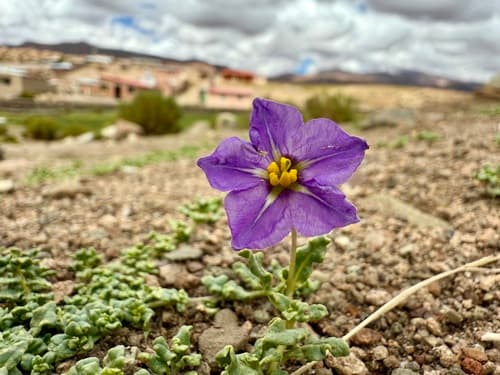
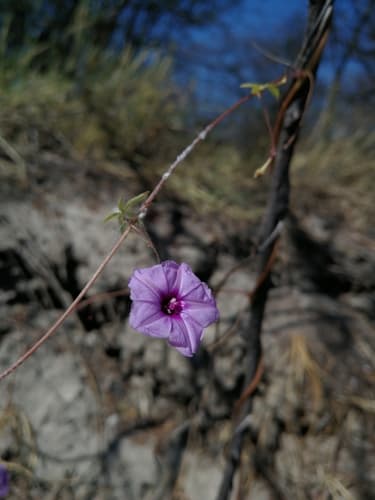
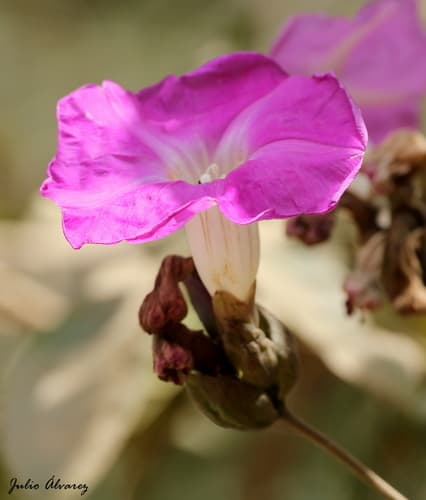
Ipomoea invicta is a species of morning glory characterized by its vibrant, trumpet-shaped flowers, typically pink or purplish-pink, with a lighter throat. It is a climbing or trailing herbaceous plant, typical of the Ipomoea genus, often found in dry, disturbed habitats.