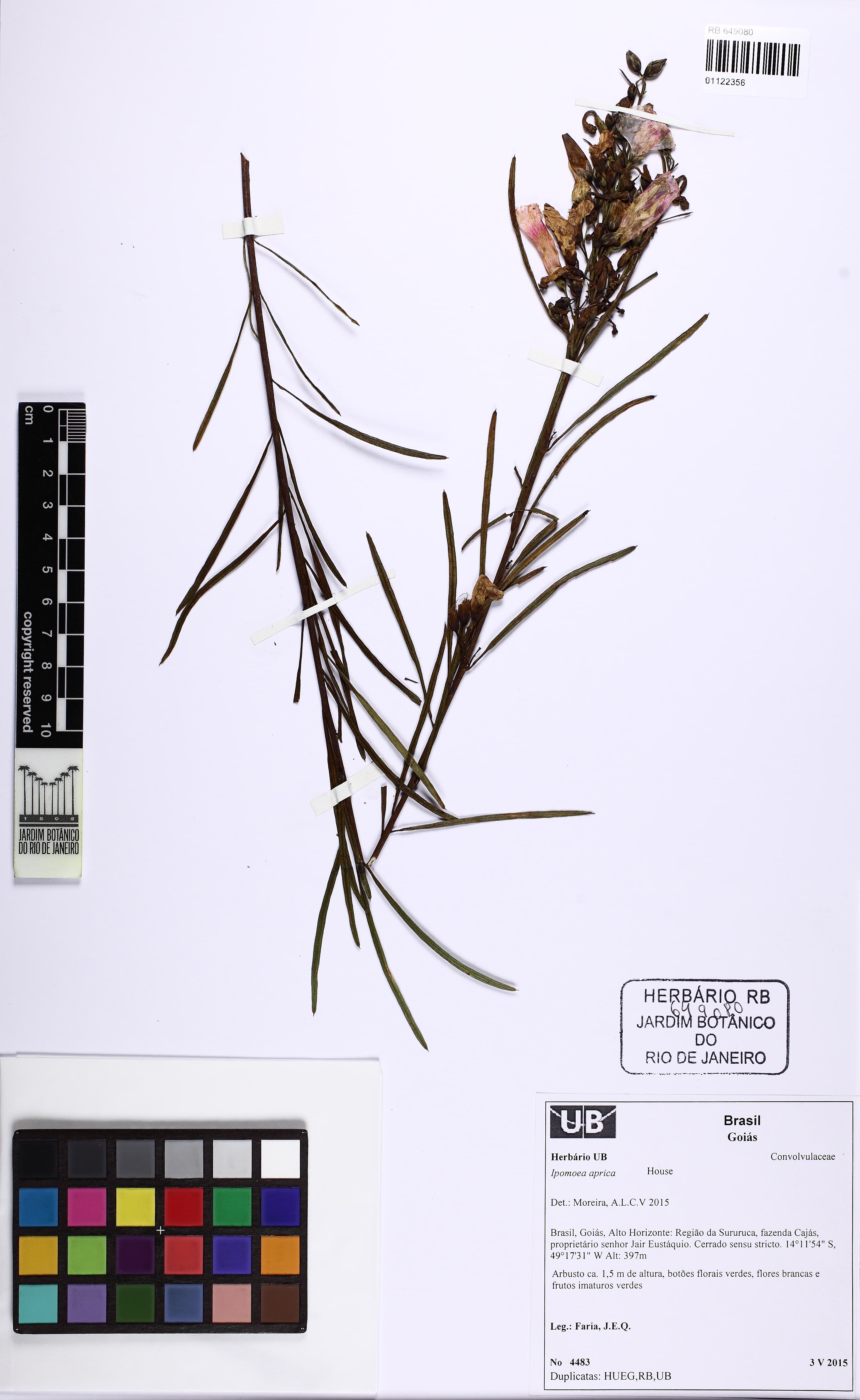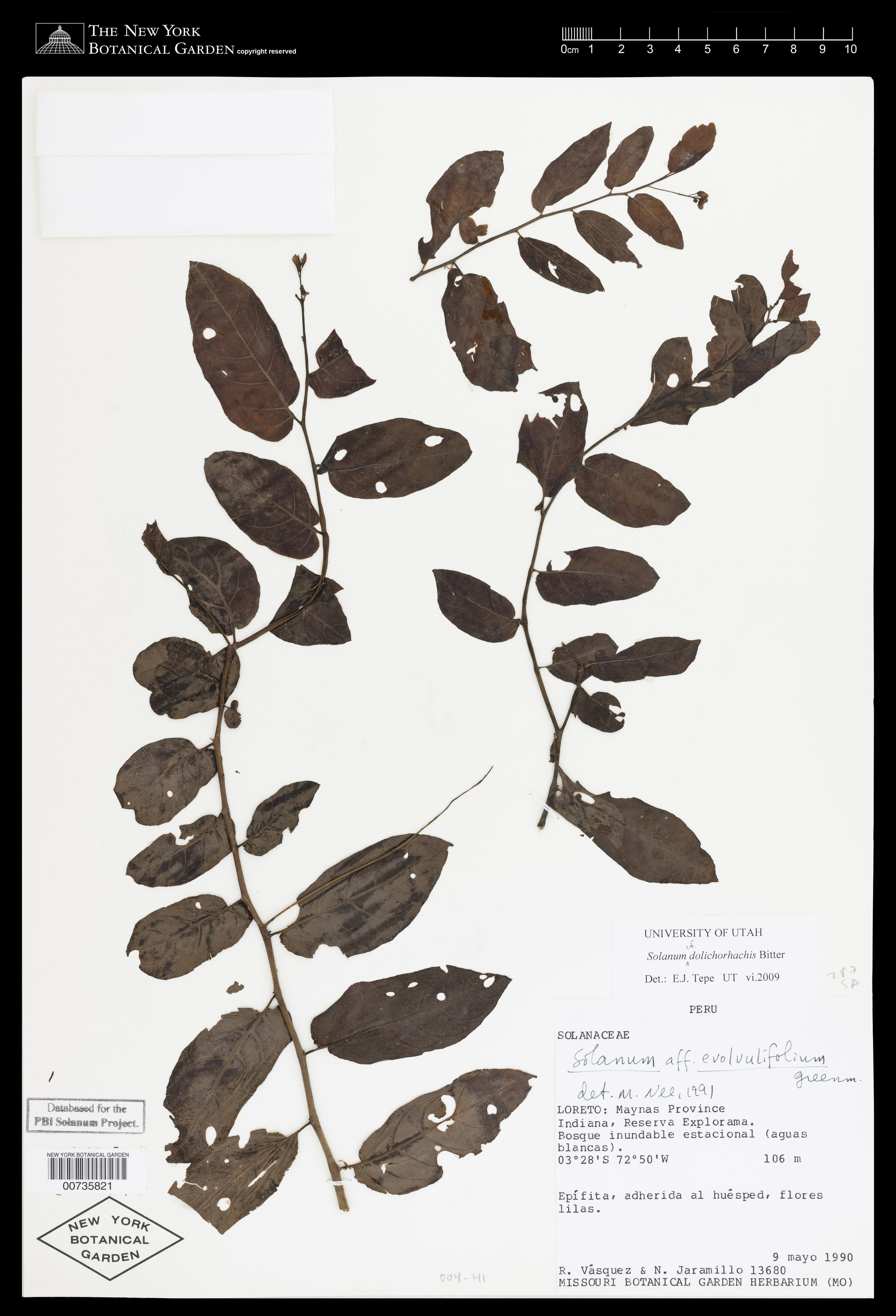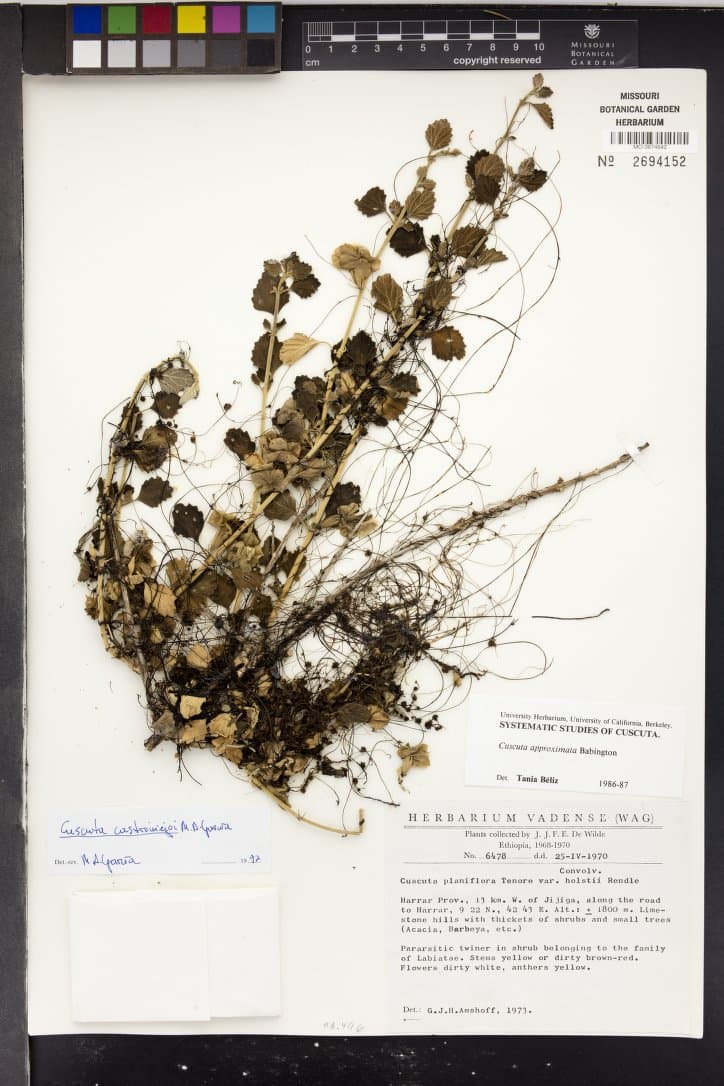
Cuscuta castroviejoi
Image: MBG (cc-by-nc)
NameCuscuta castroviejoi
Scientific NameCuscuta castroviejoi
Common NamesDodder
Plant FamilyConvolvulaceae
Natural HabitatThis species is found in Harar Province, Ethiopia, specifically 13 km west of Jijiga, along the road to Harar, at an altitude of approximately 1800 meters. It grows in limestone hills with thickets of shrubs and small trees, including Acacia and Barbeya species, which serve as its hosts.
Parts Usedwhole_plant,seed
Medicinal Actionsadaptogen, anti-inflammatory, antioxidant, diuretic
Traditional UsesTraditionally, species of Cuscuta are used in herbal medicine, particularly in Traditional Chinese Medicine (TCM), where the seeds (Tu Si Zi) are valued as a kidney and liver tonic. They are employed to address conditions such as impotence, premature ejaculation, frequent urination, lower back pain, blurred vision, and to strengthen bones and tendons.
Active ConstituentsFlavonoids, Lignans, Polysaccharides
Preparation Methodsinfusion, decoction, tincture, powder
Contraindications & WarningsNot recommended during pregnancy. Caution is advised for individuals with yin deficiency with heat signs. Potential interactions with hormone-sensitive conditions due to phytoestrogenic compounds should be considered.
Cultivation NotesCuscuta species are obligate parasites and cannot be cultivated independently. They require a suitable host plant to germinate, attach, and absorb nutrients for survival and growth.
Rarityuncommon
Description
Cuscuta castroviejoi is a parasitic twining vine characterized by its slender, yellowish to reddish-brown stems that lack true leaves. It attaches to host plants via haustoria to absorb nutrients. Its small, dirty white flowers with yellow anthers are borne in clusters along the stems.