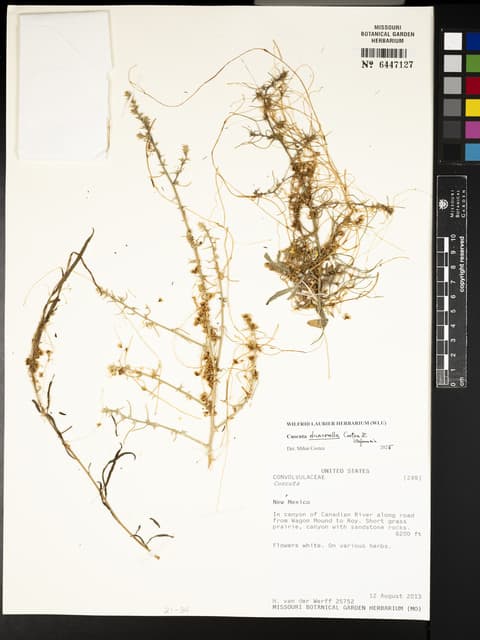
Cuscuta draconella
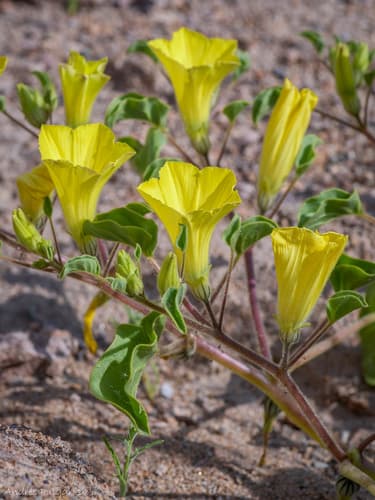
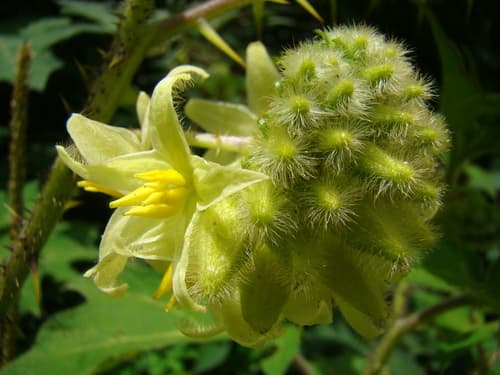
Image: MBG (cc-by-nc)
NameCuscuta draconella
Scientific NameCuscuta draconella Costea & Stefanovic
Plant FamilyConvolvulaceae
Natural HabitatThis species is found in canyons of the Canadian River in New Mexico, United States, specifically in short grass prairie and canyon areas with sandstone rocks at elevations around 6200 feet. It parasitizes various herbaceous plants in these environments.
Parts Usedwhole_plant,seed
Medicinal Actionsadaptogen, anti-inflammatory, antioxidant, astringent
Traditional UsesWhile specific traditional uses for *Cuscuta draconella* are not widely documented due to its recent description, other *Cuscuta* species (commonly known as dodder or 'Tu Si Zi' in TCM) are traditionally used as a tonic for kidney and liver deficiencies. They are employed to improve vision, strengthen bones, and address issues like impotence, premature ejaculation, and frequent urination, also valued for their anti-inflammatory and antioxidant properties.
Active Constituentsflavonoids, lignans, polysaccharides, coumarins
Preparation Methodsinfusion, decoction, powder
Contraindications & WarningsGeneral contraindications for *Cuscuta* species include pregnancy, cases of spleen deficiency with loose stools, or conditions of excess heat. Potential interactions with anticoagulant medications or hormone-related therapies should be considered.
Cultivation NotesAs an obligate parasitic plant, *Cuscuta draconella* cannot be cultivated independently without a host. Its growth is entirely dependent on attaching to and drawing nutrients from other plants, making intentional cultivation for medicinal harvest challenging and typically managed by controlling its host environment.
Rarityuncommon
Description
Cuscuta draconella is an annual, obligate parasitic plant characterized by its slender, leafless, yellowish-brown, twining stems that wrap around host plants. It produces small, white flowers in clusters along its stems. The plant lacks chlorophyll and obtains nutrients entirely from its host.