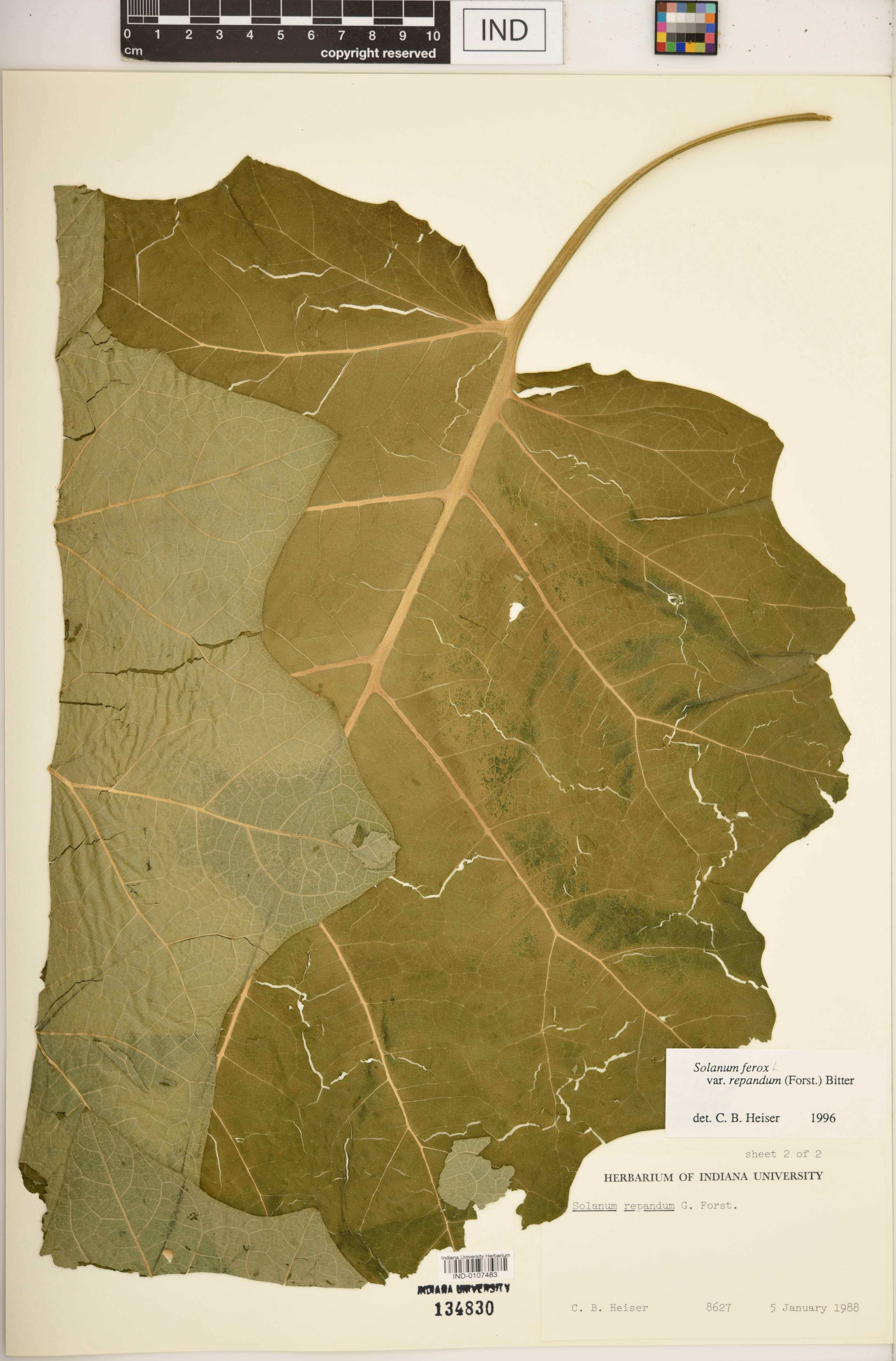
Solanum repandum
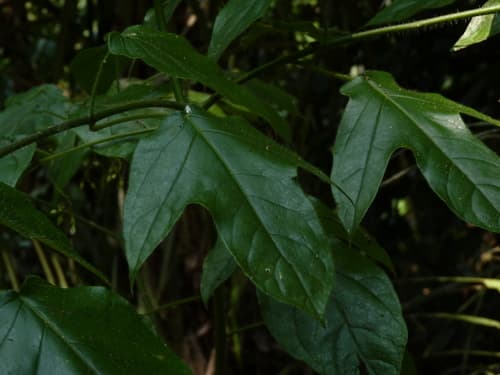
Image: Charles B. Heiser, Jr. (cc-by-nc)
NameSolanum repandum
Scientific NameSolanum repandum G. Forst.
Plant FamilySolanaceae
Natural HabitatNative to various Pacific islands, including Fiji, Samoa, and Tonga, where it typically grows in disturbed areas, forest margins, and open woodlands.
Parts Usedleaf,fruit
Medicinal Actionsanti-inflammatory, antimicrobial
Traditional UsesWhile specific, well-documented safe medicinal uses for Solanum repandum are not widely available, some Solanum species in the Pacific are traditionally used for various ailments. These general uses often include topical applications for skin conditions, or internal use for pain and fever, though caution is always advised due to the presence of potentially toxic compounds. The fruits of S. repandum are reported to be edible in some regions.
Active Constituentssteroidal glycoalkaloids
Preparation Methodsinfusion, poultice
Contraindications & WarningsAs with many Solanum species, Solanum repandum likely contains steroidal glycoalkaloids, which can be toxic if ingested in sufficient quantities. Symptoms of poisoning can include gastrointestinal upset, neurological symptoms, and cardiac issues. Pregnant or breastfeeding women, children, and individuals with liver or kidney conditions should avoid use.
Cultivation NotesThis tropical plant prefers warm, humid conditions, well-drained soil, and full sun to partial shade. Propagation is typically by seed.
Raritycommon
Description
Solanum repandum is characterized by its large, broadly ovate leaves, often with an entire or slightly undulate margin. The leaf surface typically exhibits prominent venation, with a distinct midrib and a network of secondary veins, and can be somewhat pubescent, giving it a textured appearance.