Solanum pycnotrichum
NameSolanum pycnotrichum
Scientific NameSolanum pycnotrichum
Common NamesHairy Nightshade
Plant FamilySolanaceae
Natural HabitatNative to tropical and subtropical regions of South America, often found in disturbed areas, forest edges, and open woodlands. It thrives in well-drained soils and can tolerate drought.
Parts Usedleaf,fruit
Medicinal Actionsanti-inflammatory, antioxidant, analgesic
Traditional UsesTraditionally, various Solanum species have been used topically for inflammation, pain relief, and certain skin conditions. Internal use is rare and highly cautioned due to the plant's inherent toxicity.
Active ConstituentsSteroidal glycoalkaloids, Saponins, Phenolic compounds, Flavonoids
Preparation Methodspoultice, decoction
Contraindications & WarningsAll parts of the plant, especially unripe fruits, are considered toxic due to steroidal glycoalkaloids. Ingestion can cause severe gastrointestinal upset, neurological symptoms, and can be fatal. Not recommended for internal use without expert supervision. Avoid during pregnancy, lactation, and in children.
Cultivation NotesPrefers full sun to partial shade and well-drained soil. It is relatively drought-tolerant once established and can be propagated from seeds.
Raritycommon
Description
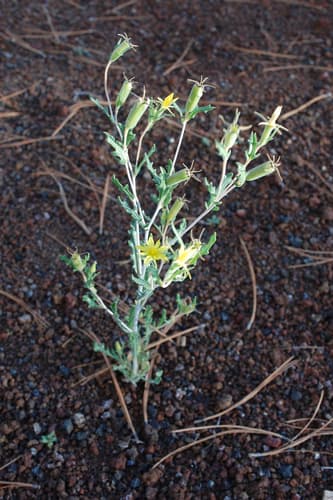
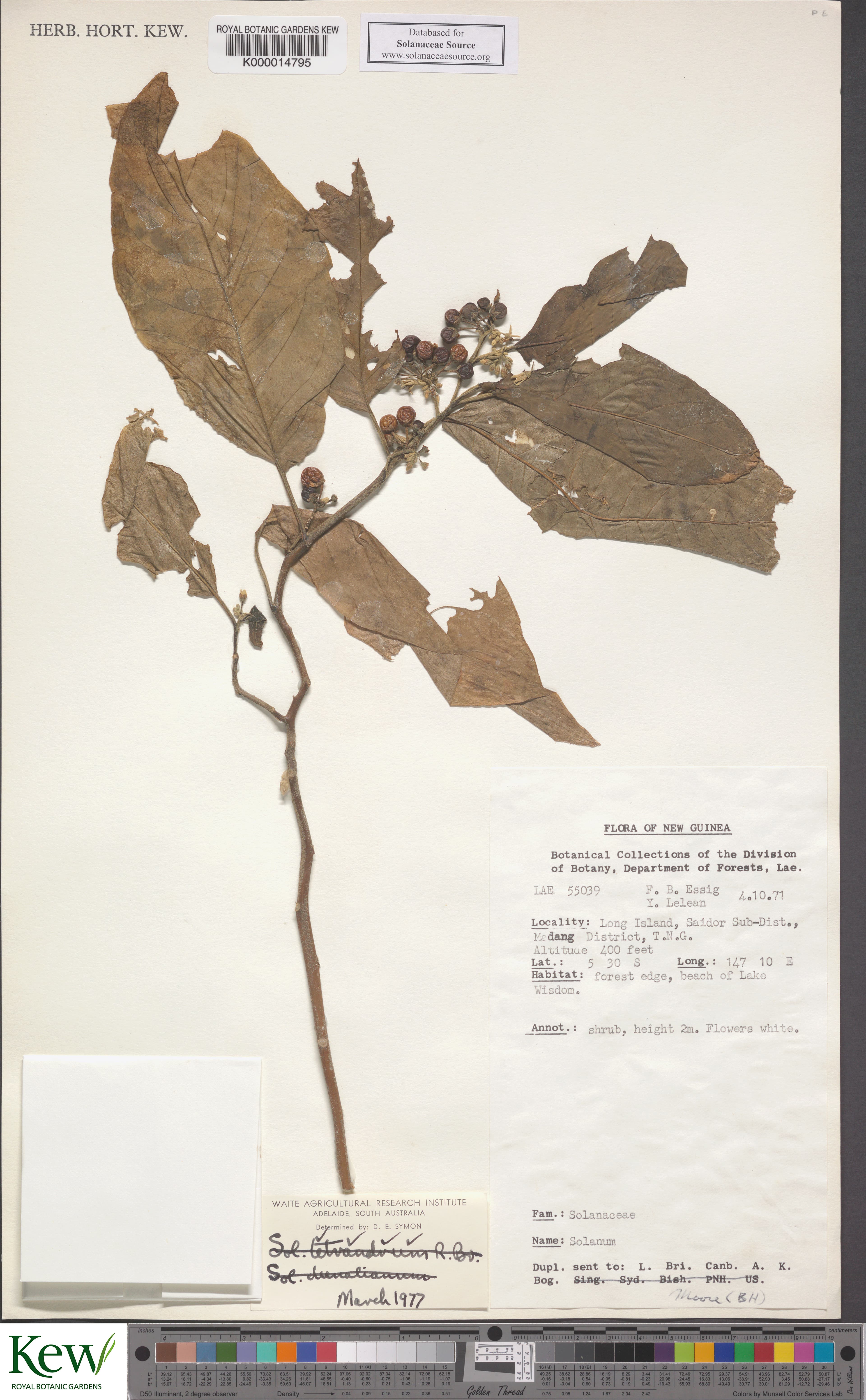
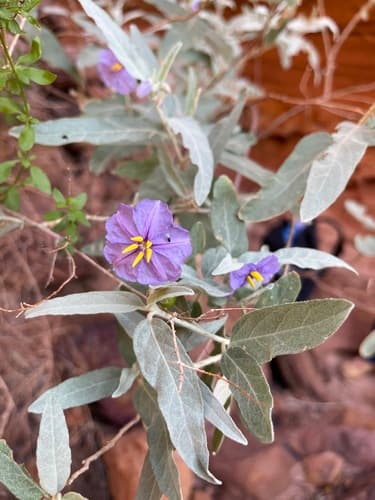
A shrub or small tree characterized by its densely hairy, silvery-green leaves. It produces star-shaped, vibrant purple flowers with prominent yellow anthers, followed by small, round berries. This species is known for its distinctive pubescent foliage.