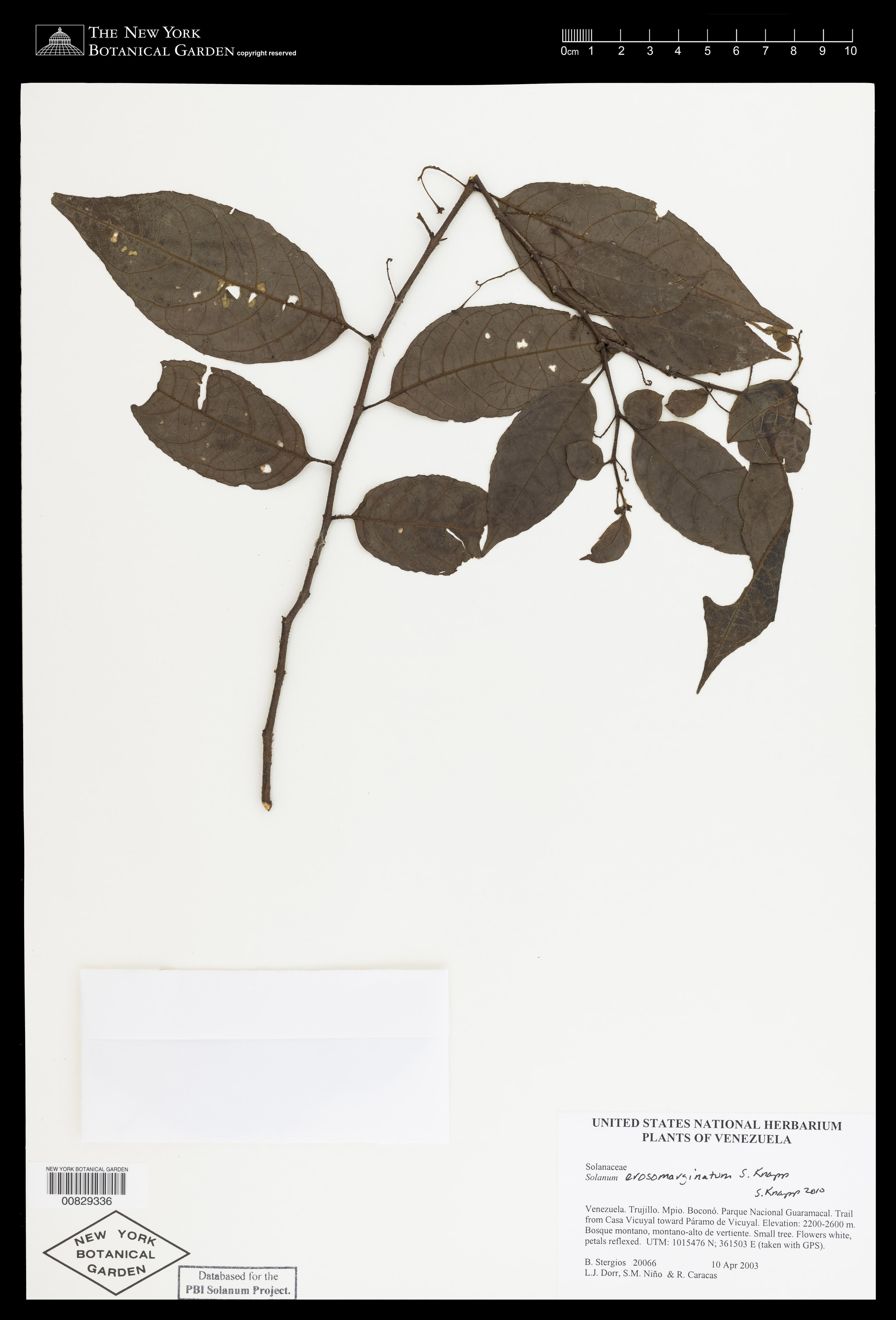
Solanum hasslerianum
NameSolanum hasslerianum
Scientific NameSolanum hasslerianum
Plant FamilySolanaceae
Natural HabitatNative to South America, particularly Paraguay, Brazil, and Argentina, it commonly grows in disturbed areas such as pastures, roadsides, and open woodlands.
Parts Usedwhole_plant
Medicinal Actionsanti-inflammatory, antimicrobial
Traditional UsesWhile specific traditional uses for Solanum hasslerianum are not widely documented, many species within the Solanum genus have been traditionally used in folk medicine for their anti-inflammatory and antimicrobial properties, often applied externally for skin conditions or pain. Due to the presence of toxic glycoalkaloids, internal use is generally avoided or highly cautioned.
Active Constituentssteroidal glycoalkaloids, solasodine, solamargine, solasonine
Preparation Methodspoultice, salve
Contraindications & WarningsDue to the presence of toxic steroidal glycoalkaloids, Solanum hasslerianum is considered poisonous and internal use is strongly contraindicated. It should be avoided by pregnant or lactating individuals, children, and those with liver, kidney, or gastrointestinal conditions. External use should be approached with caution and under expert guidance.
Cultivation NotesThis plant thrives in full sun and well-drained soil. It can be propagated by seed and is known to be quite hardy, often growing as a weed in its native range. Care should be taken as it is a spiny plant.
Rarityuncommon
Description
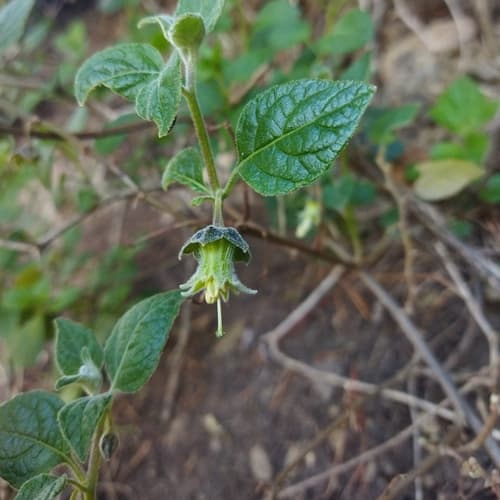
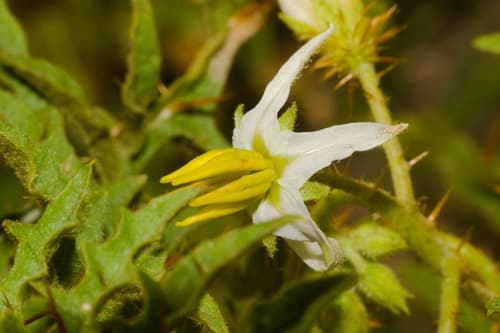
Solanum hasslerianum is a spiny, herbaceous perennial or subshrub characterized by deeply lobed, often hairy leaves and stems covered in sharp spines. Its flowers are typically white or pale lavender, star-shaped, with prominent yellow anthers, and it produces small, spherical berries.