Solanum procumbens
NameSolanum procumbens
Scientific NameSolanum procumbens
Common NamesProcumbent Nightshade, Kattuvazhuthanai
Plant FamilySolanaceae
Natural HabitatNative to tropical and subtropical regions, it commonly grows in disturbed areas, open fields, roadsides, and agricultural lands. It prefers warm climates and well-drained soils.
Parts Usedleaf,fruit,whole_plant
Medicinal Actionsanti-inflammatory, analgesic, antimicrobial, antioxidant
Traditional UsesTraditionally used in various cultures for treating inflammatory conditions, pain, skin ailments like boils and wounds, and sometimes for fever or respiratory issues. The fruits and leaves are often applied topically or consumed in decoctions.
Active Constituentssteroidal glycoalkaloids, solasodine, flavonoids, saponins
Preparation Methodsinfusion, decoction, poultice, powder
Contraindications & WarningsDue to the presence of steroidal glycoalkaloids, particularly solasodine, caution is advised. Unripe fruits and large doses can be toxic. Not recommended for pregnant or breastfeeding women, young children, or individuals with liver or kidney conditions. Consult a healthcare professional before use.
Cultivation NotesThrives in warm, humid climates with full sun to partial shade. Prefers well-drained, fertile soil. Can be propagated by seed. Often considered a weed in its native range due to its vigorous growth.
Raritycommon
Description
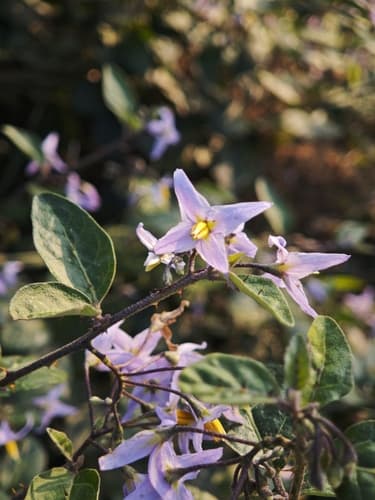
This is a procumbent or sprawling herbaceous plant, often with prickly stems. It features small, star-shaped flowers, typically pale purple or lavender, with prominent yellow anthers clustered in the center. Its leaves are simple and often somewhat hairy.