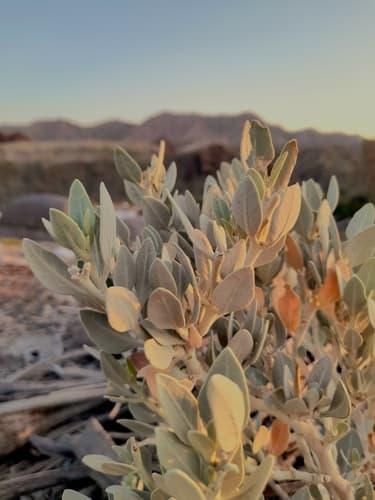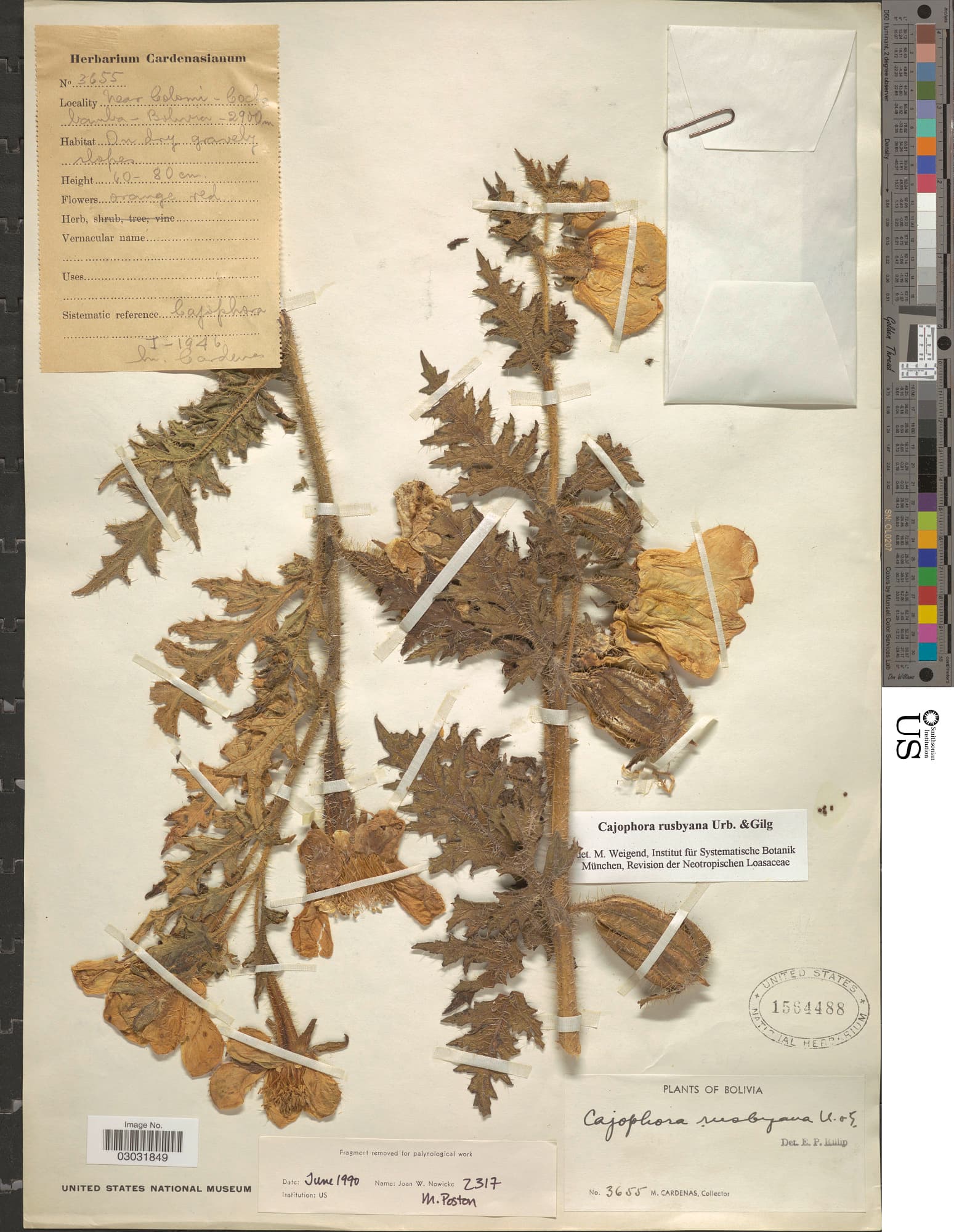
Solanum polyadenium
NameSolanum polyadenium
Scientific NameSolanum polyadenium
Common NamesSticky Nightshade, Glandular Nightshade
Plant FamilySolanaceae
Natural HabitatNative to the Andes region of South America, it commonly grows in disturbed areas, roadsides, agricultural fields, and open woodlands, often at higher elevations.
Parts Usedleaf,whole_plant
Medicinal Actionsanti-inflammatory, antimicrobial, analgesic
Traditional UsesTraditionally, Solanum polyadenium has been used in folk medicine, particularly in South America, for its anti-inflammatory properties. It is applied topically to treat skin conditions, wounds, and reduce pain associated with inflammation.
Active Constituentssteroidal glycoalkaloids, flavonoids, phenolic compounds
Preparation Methodspoultice, infusion, tincture
Contraindications & WarningsDue to the presence of steroidal glycoalkaloids, internal use should be approached with extreme caution and under expert supervision due to potential toxicity. Contraindicated in pregnancy, lactation, and individuals with known sensitivity to nightshade plants.
Cultivation NotesThis plant thrives in full sun to partial shade and prefers well-drained soil. It is often considered a weed in its native range and can be propagated easily from seeds.
Raritycommon
Description
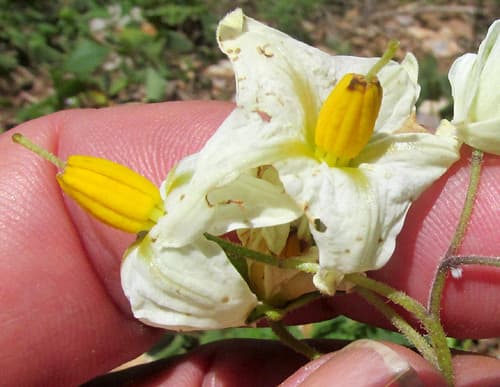
Solanum polyadenium is a herbaceous plant characterized by its white, star-shaped flowers with prominent yellow anthers fused into a cone. Its stems and leaves are typically covered in glandular hairs, giving the plant a sticky texture.