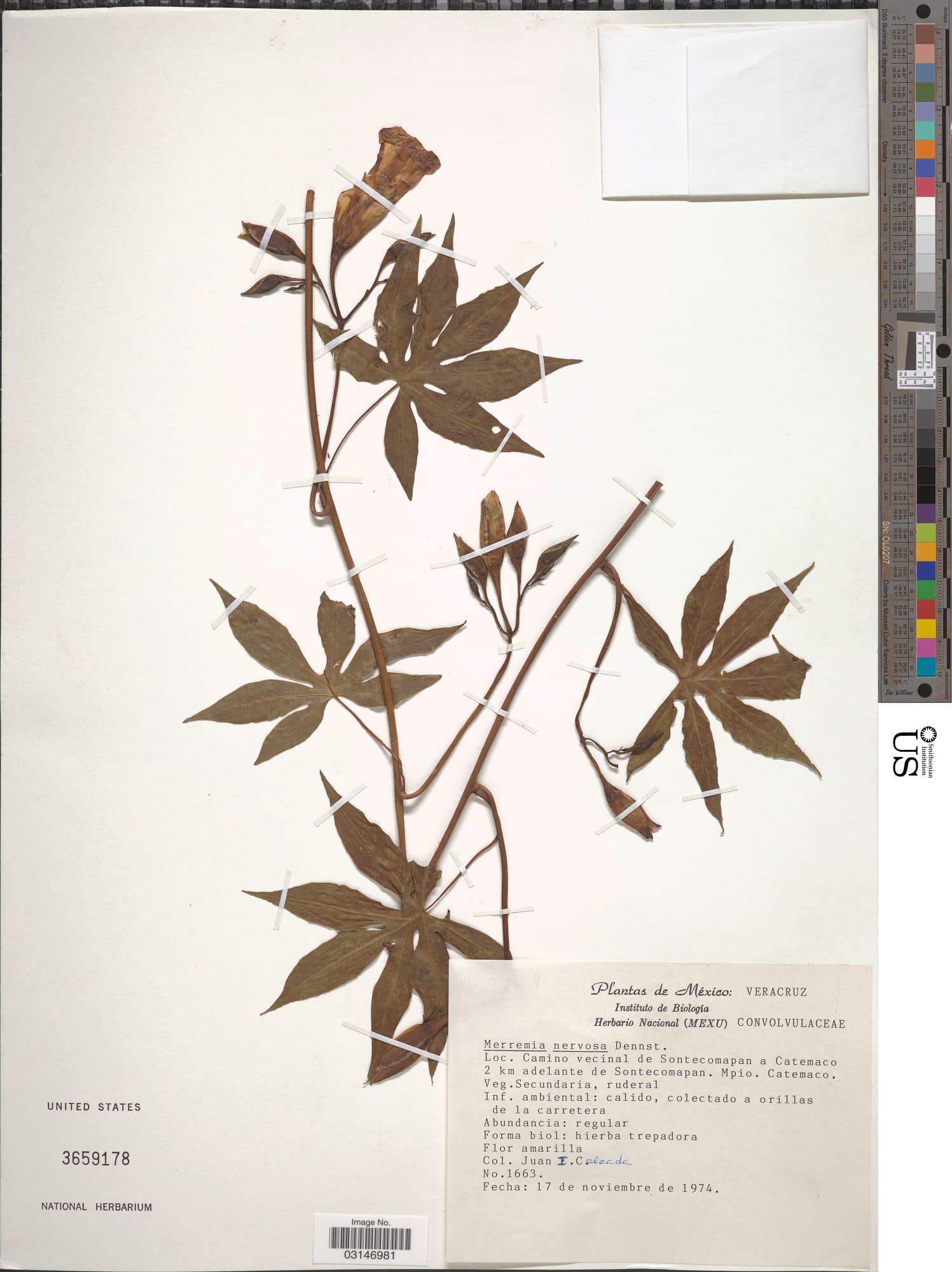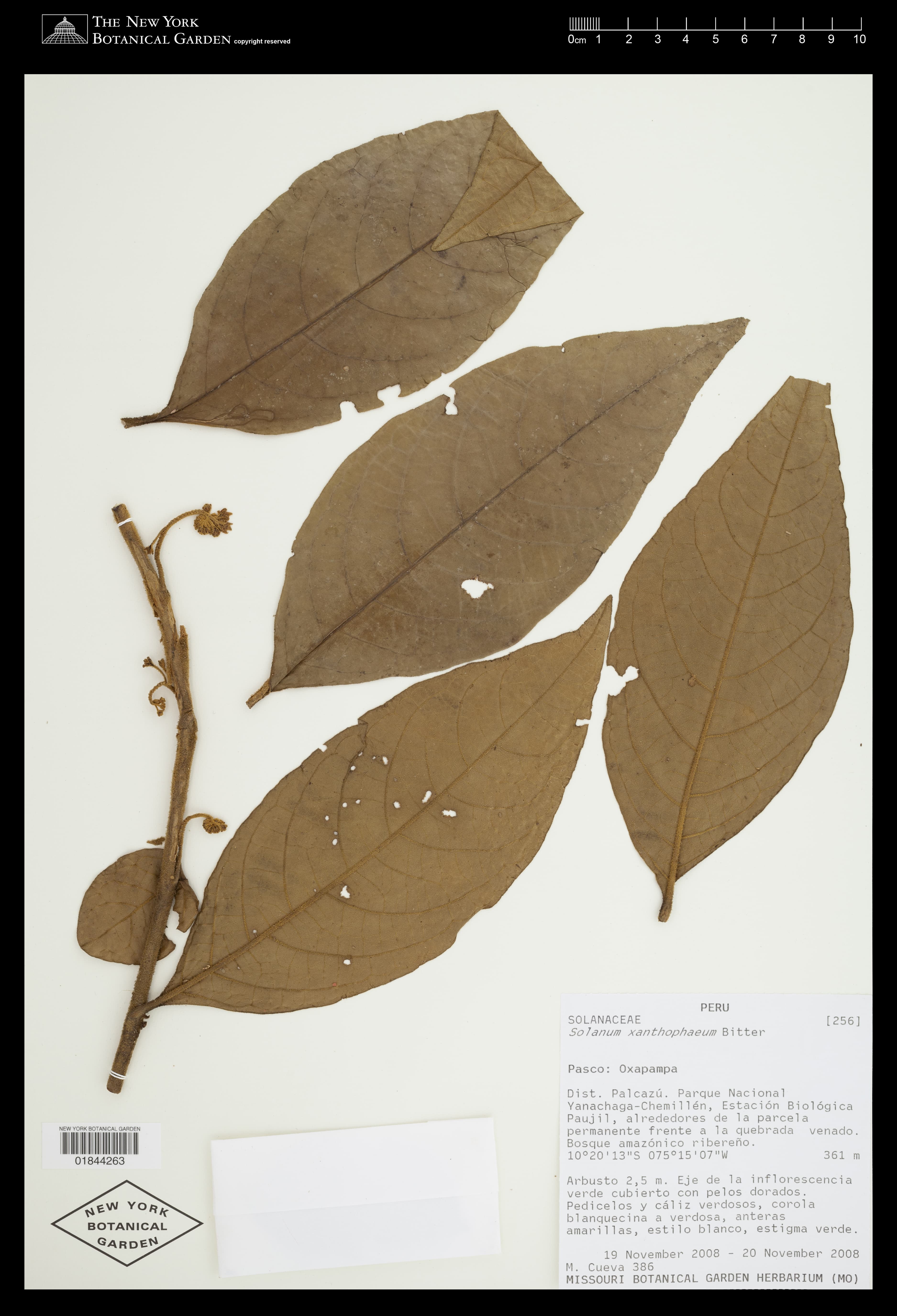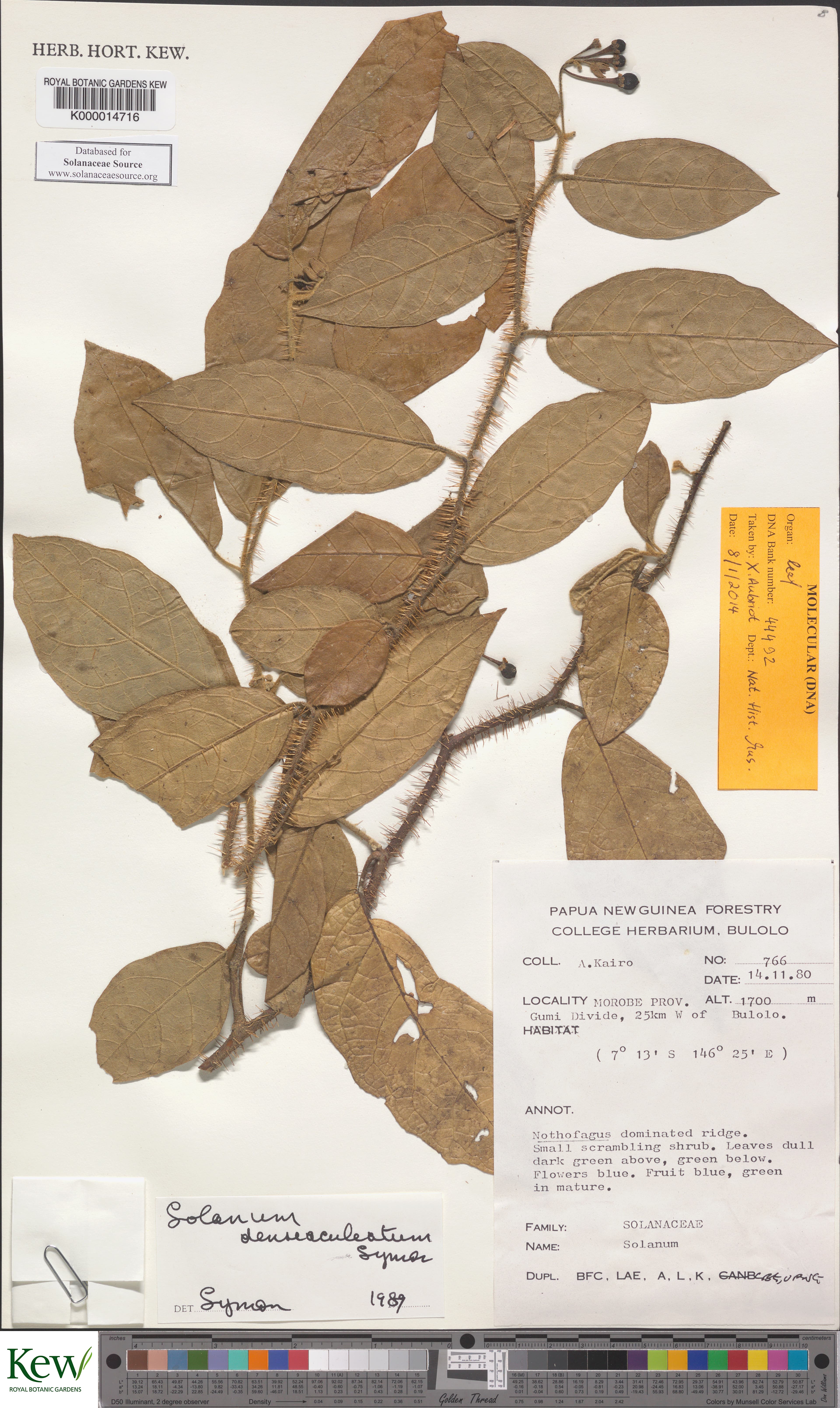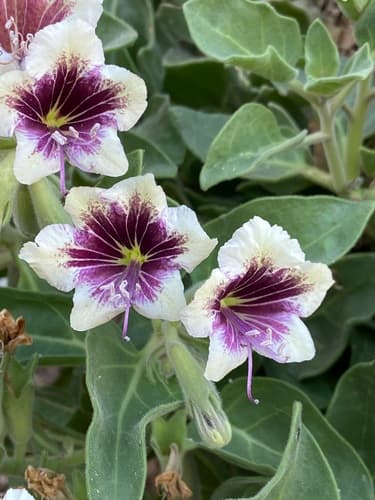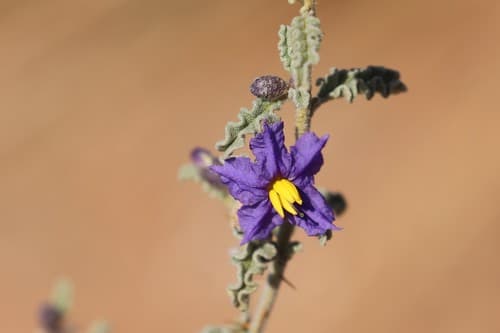
Solanum plicatile
NameSolanum plicatile
Scientific NameSolanum plicatile
Plant FamilySolanaceae
Natural HabitatNative to arid and semi-arid regions of Australia, growing in sandy soils, often in mulga woodlands or spinifex country.
Parts Usedleaf
Medicinal Actionsanti-inflammatory, antimicrobial
Traditional UsesSpecific traditional medicinal uses for Solanum plicatile are not well-documented. Many species within the Solanum genus are known to be toxic due to glycoalkaloids. While some Solanum species have edible fruits or are used externally in traditional medicine (e.g., for poultices for skin ailments), there is no clear evidence for safe or widespread medicinal use of S. plicatile.
Active Constituentssteroidal glycoalkaloids
Preparation Methodspoultice
Contraindications & WarningsAll parts of Solanum plicatile should be considered potentially toxic due to the presence of steroidal glycoalkaloids. Internal consumption is strongly contraindicated. External use should be approached with extreme caution due to potential skin irritation or absorption of toxic compounds. Consult with an expert before any use.
Cultivation NotesDrought-tolerant, prefers full sun and well-drained sandy soils. Propagated by seed. Requires warm, arid conditions.
Raritycommon
Description
An erect, spiny shrub characterized by its greyish, stellate-hairy, often lobed leaves and vibrant purple, star-shaped flowers with prominent yellow anthers. The stems are typically thorny, and the plant is well-adapted to arid environments.