Solanum nitidum
NameSolanum nitidum
Scientific NameSolanum nitidum
Common NamesAndean Nightshade
Plant FamilySolanaceae
Natural HabitatNative to the Andes region of South America, often found in disturbed areas, forest edges, and roadsides in tropical and subtropical climates.
Parts Usedwhole_plant
Medicinal Actionsanalgesic, anti-inflammatory, antimicrobial, antioxidant
Traditional UsesSpecific traditional medicinal uses for Solanum nitidum are not widely documented for safe internal consumption due to the presence of toxic glycoalkaloids. Other species within the Solanum genus have been traditionally used externally for pain relief and inflammation, but require expert knowledge and careful preparation.
Active Constituentssteroidal glycoalkaloids, solanine, solamargine
Preparation Methodspoultice, salve
Contraindications & WarningsAll parts of Solanum nitidum, especially unripe fruits and leaves, are considered toxic due to steroidal glycoalkaloids. Internal consumption is strongly contraindicated. Use with extreme caution externally, and avoid during pregnancy, lactation, in children, or individuals with liver or kidney conditions. Consult a qualified expert before any use.
Cultivation NotesPrefers tropical to subtropical climates with well-drained soil and full sun to partial shade. Can be grown from seed. Tolerant of some disturbance.
Raritycommon
Description
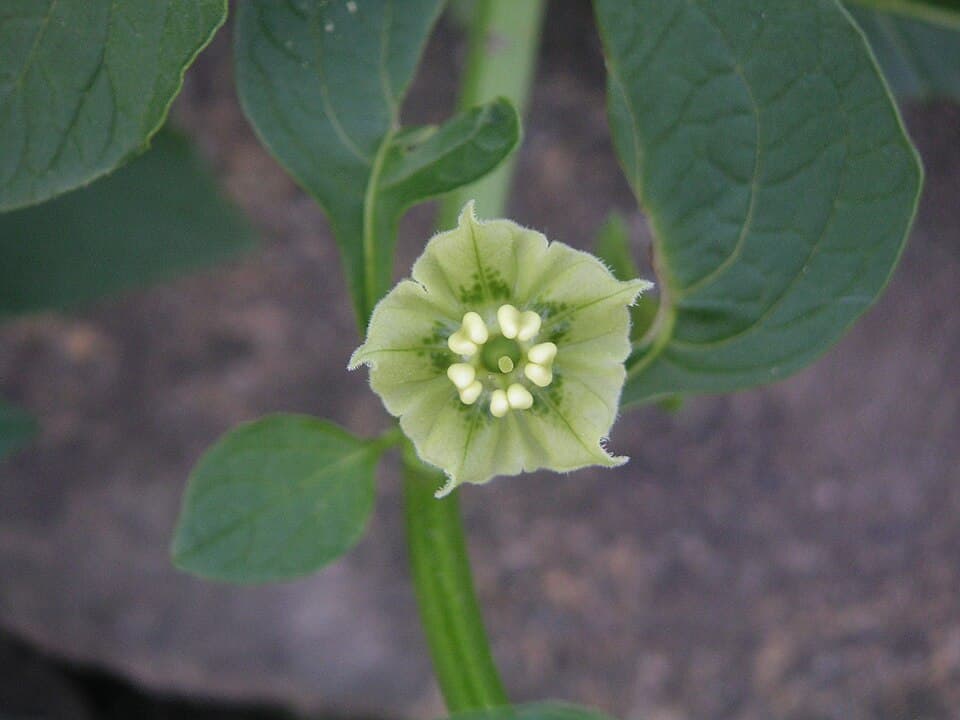
A shrub or small tree, typically growing 1-5 meters tall, with lanceolate to elliptic dark green leaves. It produces star-shaped, purple to blue-violet flowers with prominent yellow anthers, followed by small berries.