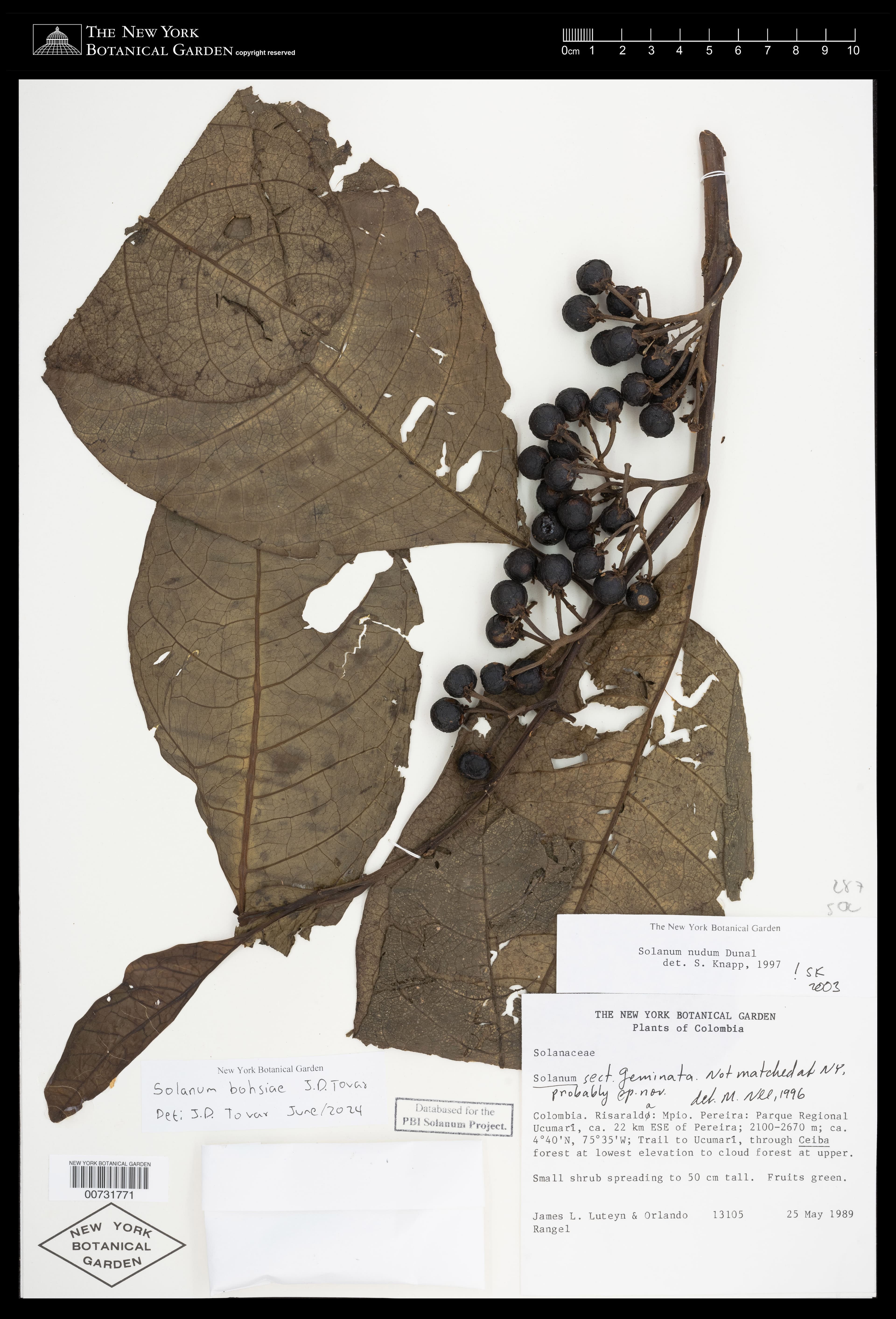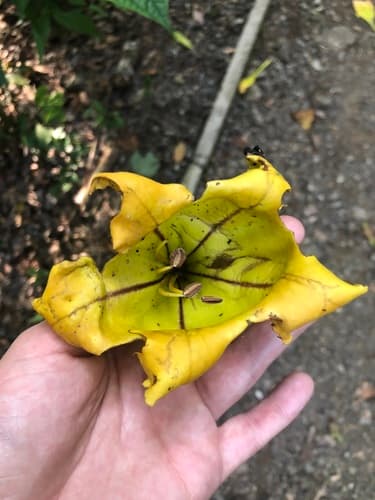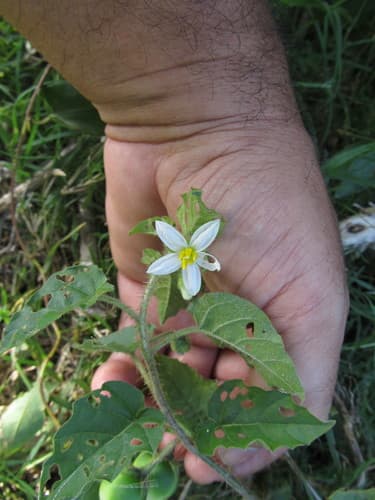
Solanum platense
NameSolanum platense
Scientific NameSolanum platense
Common NamesWild Tomatillo, Tomatillo del campo
Plant FamilySolanaceae
Natural HabitatNative to the Southern Cone of South America (Argentina, Uruguay, Paraguay, southern Brazil), typically found in disturbed areas, fields, roadsides, and open woodlands.
Parts Usedleaf,fruit
Medicinal Actionsanti-inflammatory, antimicrobial, analgesic
Traditional UsesSpecific traditional medicinal uses for *Solanum platense* are not widely documented. However, other *Solanum* species containing similar glycoalkaloids have been traditionally used topically in poultices for their anti-inflammatory and analgesic properties to treat skin irritations, wounds, and localized pain, with extreme caution due to toxicity.
Active Constituentssteroidal glycoalkaloids, solanine, solamargine
Preparation Methodspoultice, infusion
Contraindications & WarningsAll parts of the plant, especially unripe fruits, are considered toxic due to high levels of glycoalkaloids. Internal consumption is strongly discouraged and potentially dangerous. Avoid use by pregnant or nursing women, children, and individuals with liver or kidney conditions. Consult a qualified healthcare professional before any use.
Cultivation NotesThis plant is often considered a weed in its native range, growing readily in disturbed soils. It prefers full sun to partial shade and well-drained conditions. Propagation is typically by seed.
Raritycommon
Description
A herbaceous perennial plant, often sprawling or climbing, characterized by stems and leaves typically covered in stellate hairs and sometimes prickles. It produces star-shaped white flowers with prominent yellow anthers, followed by small, globose green berries that ripen to yellow or orange.