San Diego Groundcherry
NameSan Diego Groundcherry
Scientific NamePhysalis filipendula
Common NamesSan Diego Groundcherry, Thread-stalk Groundcherry
Plant FamilySolanaceae
Natural HabitatNative to Southern California and Baja California, it typically grows in dry, sandy or rocky soils, often found in coastal sage scrub, chaparral, and disturbed areas at lower elevations.
Parts Usedfruit,leaf,whole_plant
Medicinal Actionsanti-inflammatory, antioxidant, diuretic
Traditional UsesWhile specific traditional uses for P. filipendula are not widely documented, other groundcherry species have been traditionally used for their anti-inflammatory properties, to treat fevers, and as diuretics. The ripe fruits of many Physalis species are edible and sometimes consumed for their nutritional value.
Active ConstituentsWithanolides, flavonoids, carotenoids
Preparation Methodsinfusion, powder, tincture
Contraindications & WarningsUnripe fruits of Physalis species can contain solanine-like compounds and may be toxic. Consumption of large quantities of any part of the plant, especially unripe fruits, should be avoided.
Cultivation NotesThis plant prefers full sun to partial shade and well-drained, sandy or rocky soils. It is drought-tolerant once established and can be propagated from seeds.
Rarityrare
Description
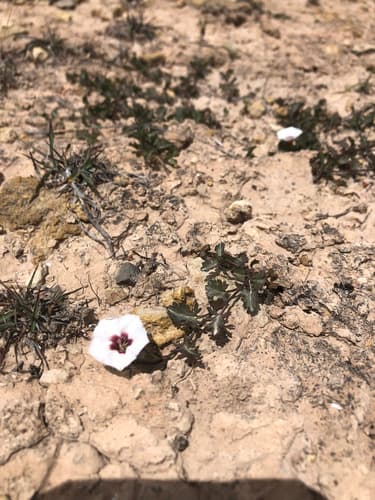
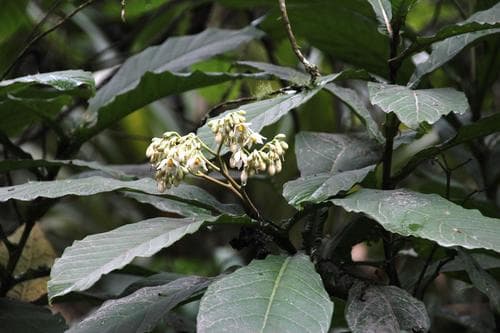
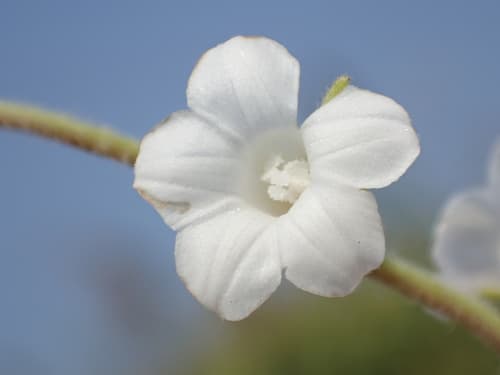
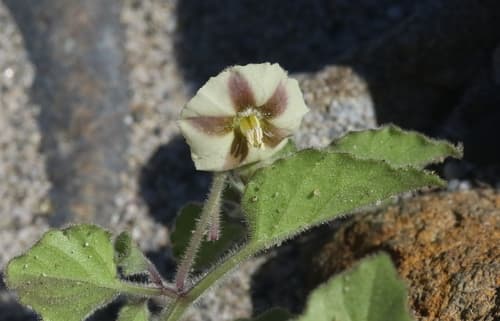
Physalis filipendula is a low-growing, herbaceous perennial or annual plant characterized by its hairy stems and ovate to lanceolate leaves. Its distinctive flowers are bell-shaped, pale yellow to cream with five prominent reddish-brown or purple blotches at the base of the corolla lobes, and a central cone of yellow anthers. The fruit, when present, is a berry enclosed within an inflated, papery calyx.