Solanum platacanthum
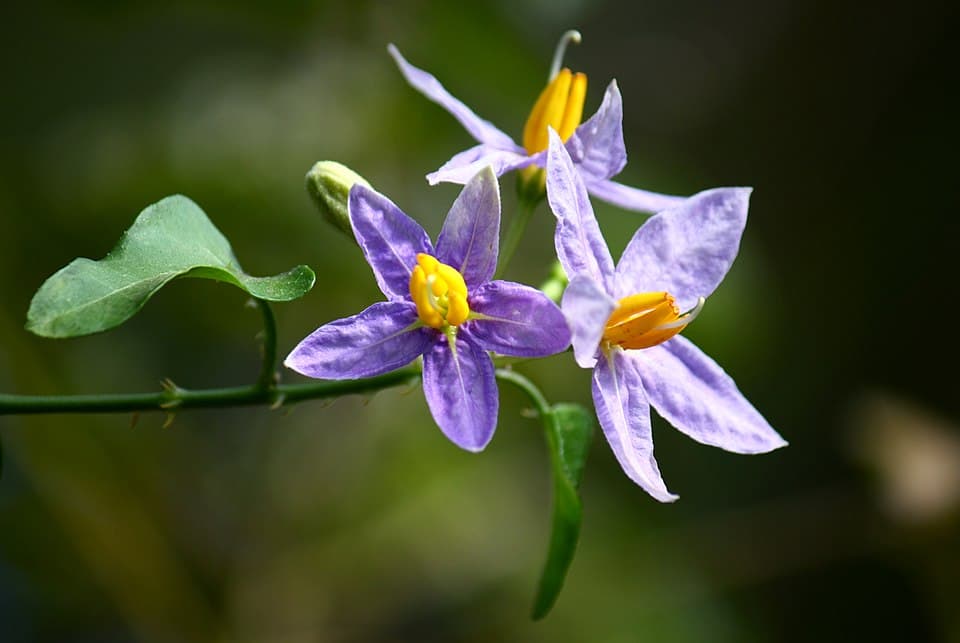
Image: Royal Botanic Garden Edinburgh (cc0)
NameSolanum platacanthum
Scientific NameSolanum platacanthum Dunal
Plant FamilySolanaceae
Natural HabitatNative to arid, mountainous regions, specifically found in the Asir Saudi Arabia Kingdom, at altitudes between 2500-2590 meters. It thrives in conservation areas like Raydah, indicating a preference for specific high-altitude, dry environments.
Parts Usedleaf,fruit,root
Medicinal Actionsanti-inflammatory, analgesic, antimicrobial
Traditional UsesWhile specific traditional uses for Solanum platacanthum are not widely documented, many species within the Solanum genus are traditionally used for their anti-inflammatory and pain-relieving properties. These are often applied externally as poultices for skin conditions, wounds, or joint pain, with internal use typically highly restricted due to potential toxicity.
Active Constituentssteroidal glycoalkaloids, flavonoids, saponins
Preparation Methodspoultice, decoction, powder
Contraindications & WarningsDue to the presence of steroidal glycoalkaloids common in the Solanum genus, all parts of the plant, especially unripe fruits, may be toxic if ingested in large quantities. Contraindications typically include pregnancy, lactation, children, and individuals with gastrointestinal issues or sensitivities to Solanaceae alkaloids. Consultation with a qualified herbalist or medical professional is essential before use.
Cultivation NotesThis species prefers well-drained soil and full sun, typical of its native arid, high-altitude environments. It requires warm temperatures and is likely drought-tolerant once established. Propagation is typically from seed.
Rarityuncommon
Description
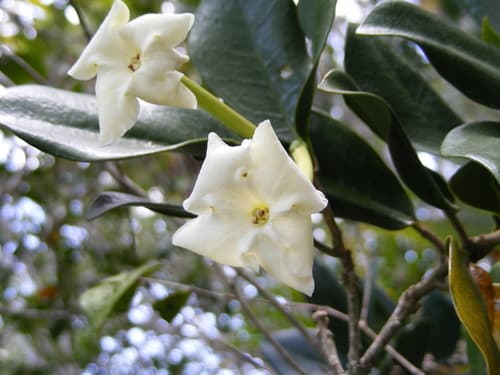
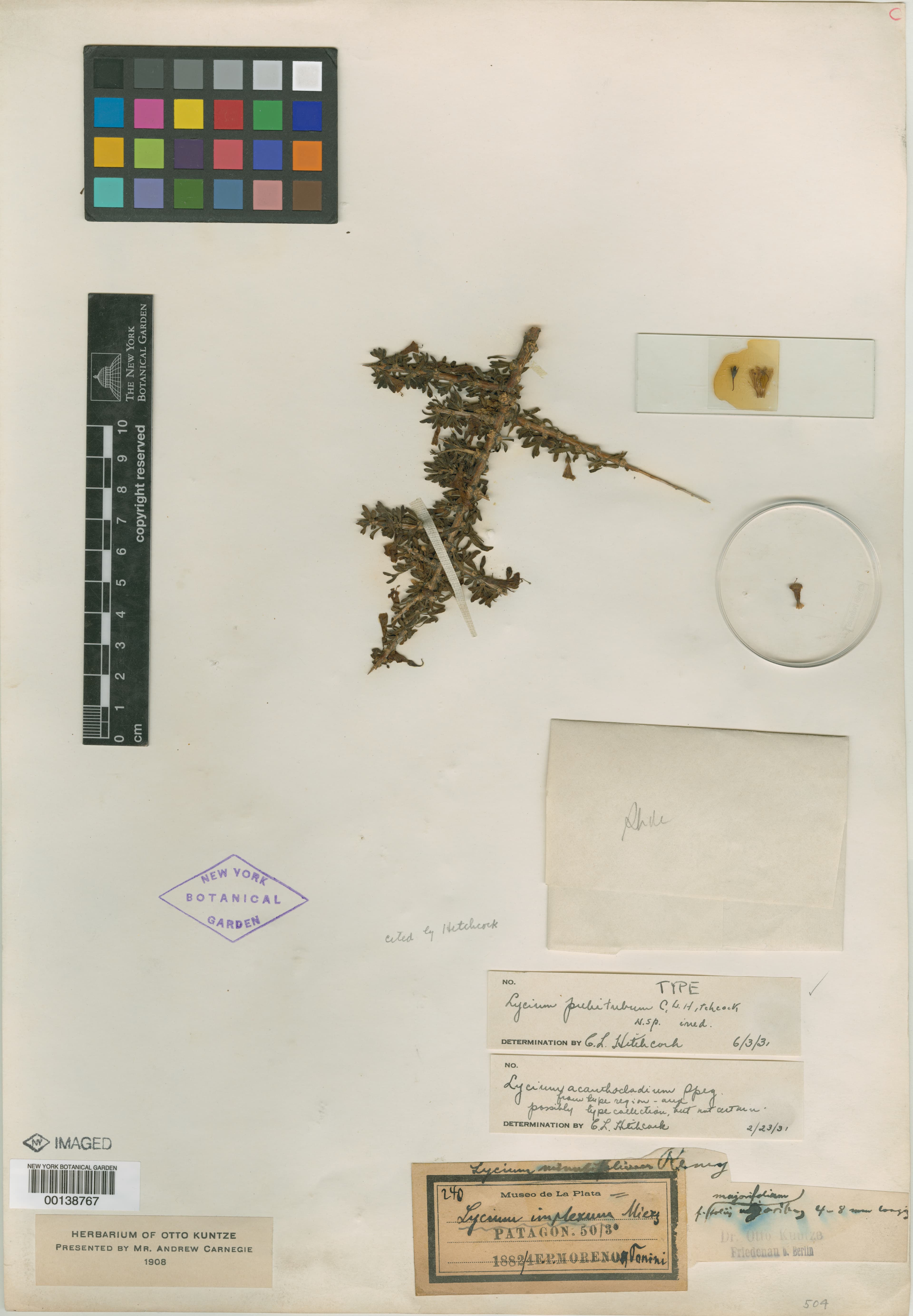
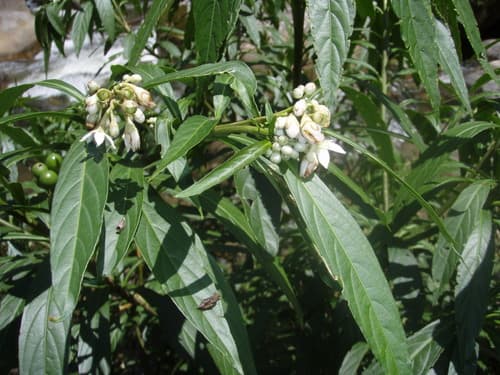
A thorny shrub or herbaceous plant characterized by ovate to elliptic leaves and small, round, berry-like fruits. The stems are typically woody and bear prominent, often flattened spines, consistent with its specific epithet 'platacanthum'.