Solanum pillahuatense
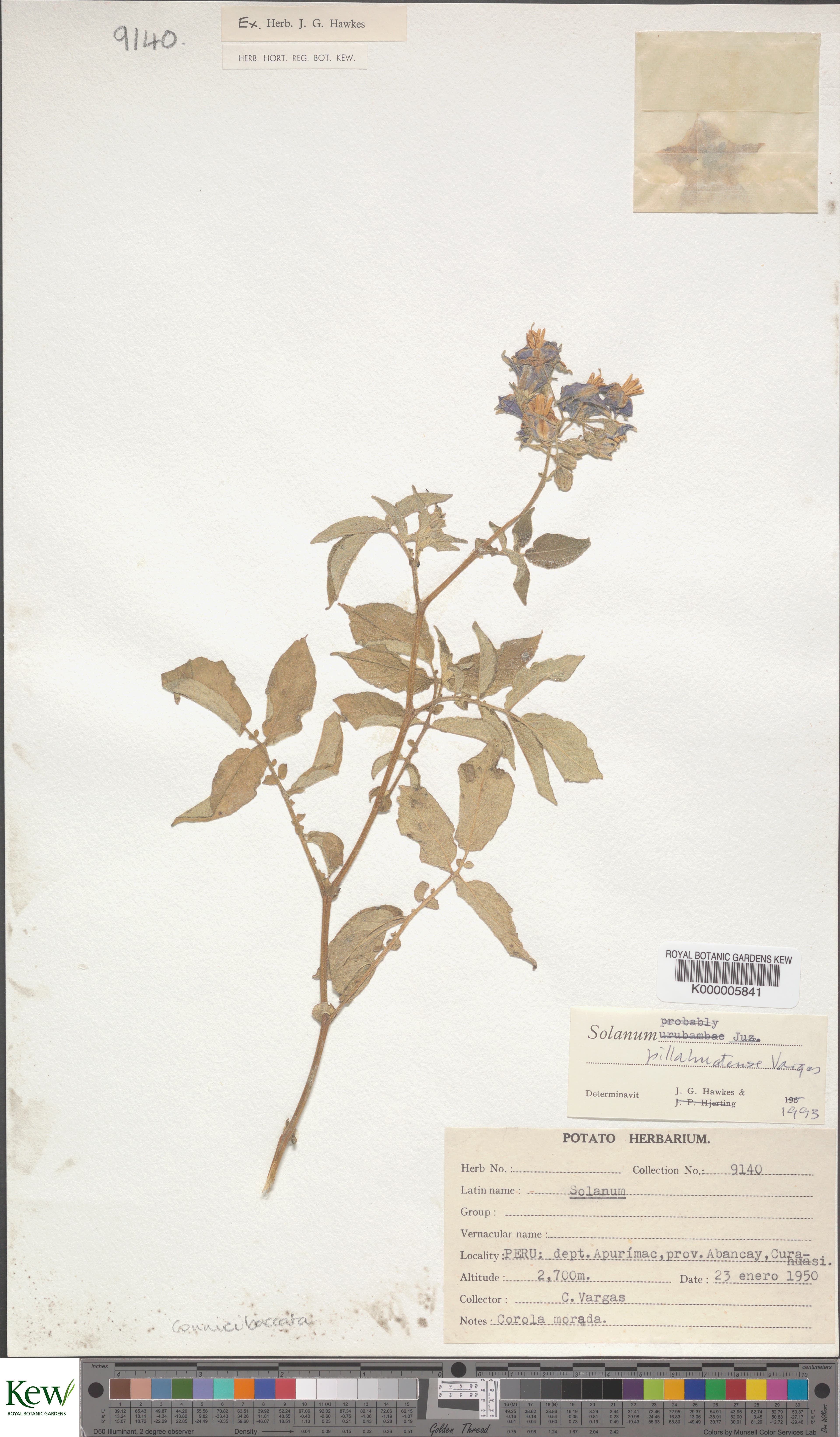
Image: Vargas, C. (cc-by)
NameSolanum pillahuatense
Scientific NameSolanum pillahuatense Vargas
Common NamesPillahuata Nightshade, Andean Wild Potato
Plant FamilySolanaceae
Natural HabitatNative to the high-altitude regions of the Peruvian Andes, specifically collected in the department of Apurímac, province of Abancay, near Curahuasi, at an altitude of approximately 2,700 meters above sea level. It thrives in montane environments.
Parts Usedleaf,flower,root
Medicinal Actionsanalgesic, anti-inflammatory
Traditional UsesWhile specific traditional uses for Solanum pillahuatense are not widely documented, many wild Solanum species in the Andes are traditionally utilized. These often include the consumption of tubers (after processing to reduce toxicity) or the topical application of crushed leaves or tubers for ailments such as pain, inflammation, or skin conditions, always with extreme caution due to the presence of toxic compounds.
Active Constituentsglycoalkaloids, steroidal saponins
Preparation Methodsdecoction, poultice, powder
Contraindications & WarningsAs with many species in the Solanum genus, S. pillahuatense likely contains steroidal glycoalkaloids (e.g., solanine), which are toxic if ingested in sufficient quantities. Symptoms of toxicity can include gastrointestinal distress, neurological effects, and cardiac issues. Internal use is highly discouraged and should only be considered under strict expert supervision. Pregnant or nursing individuals and those with known allergies to the Solanaceae family should avoid contact and consumption.
Cultivation NotesThis species would prefer a cool, high-altitude climate with well-drained soil, mimicking its native Andean habitat. It likely requires full sun exposure and consistent moisture, but is sensitive to frost. Propagation is typically achieved through seeds or tubers.
Rarityrare
Description
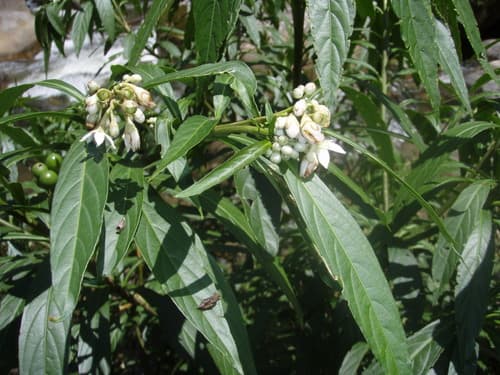
Solanum pillahuatense is a herbaceous plant, likely a wild potato relative, characterized by its alternate leaves and clusters of purplish-blue flowers. The specimen shows a branched stem with ovate to lanceolate leaves and terminal inflorescences.