Solanum pennellii
NameSolanum pennellii
Scientific NameSolanum pennellii
Common NamesPennell's wild tomato, Wild tomato
Plant FamilySolanaceae
Natural HabitatNative to arid and semi-arid coastal regions and inter-Andean valleys of Peru and Ecuador, often found in disturbed areas, rocky slopes, and sandy soils.
Parts Usedwhole_plant
Medicinal Actionsantioxidant, antimicrobial
Traditional UsesSolanum pennellii is primarily known for its genetic importance as a wild relative of the cultivated tomato, contributing genes for drought tolerance and fruit quality. It is not widely recognized or traditionally used as a medicinal plant due to the presence of potentially toxic glycoalkaloids.
Active ConstituentsGlycoalkaloids (e.g., tomatine), Flavonoids, Carotenoids
Preparation Methodspowder
Contraindications & WarningsDue to the presence of steroidal glycoalkaloids (like tomatine), ingestion of Solanum pennellii is generally not recommended and can be toxic, especially in large quantities. It should not be consumed without expert guidance.
Cultivation NotesPrefers full sun and well-drained soils. It is known for its drought tolerance and is often grown in research settings for genetic studies and breeding programs with cultivated tomatoes.
Rarityuncommon
Description
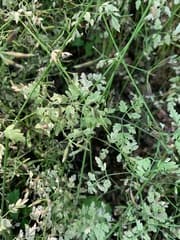
Solanum pennellii is a wild relative of the cultivated tomato, typically an annual or short-lived perennial herb. It features hairy stems and leaves, and produces clusters of small, bright yellow, star-shaped flowers with prominent yellow anthers.