Solanum pelagicum
NameSolanum pelagicum
Scientific NameSolanum pelagicum
Common NamesCoastal Nightshade
Plant FamilySolanaceae
Natural HabitatThis species typically thrives in coastal environments, including dunes, cliffs, and disturbed areas near the sea. It is adapted to maritime conditions, often found in tropical or subtropical regions where it can tolerate salt spray and sandy soils.
Parts Usedleaf,whole_plant
Medicinal Actionsanti-inflammatory, antimicrobial
Traditional UsesDue to the presence of potentially toxic compounds, *Solanum pelagicum* is not widely documented as a medicinal plant in mainstream herbalism. However, some species within the *Solanum* genus have been traditionally used externally in poultices or salves for skin conditions, pain, or inflammation, often with extreme caution due to their glycoalkaloid content. Specific traditional internal uses for *S. pelagicum* are not well-established and generally advised against.
Active Constituentssteroidal glycoalkaloids
Preparation Methodspoultice, salve
Contraindications & WarningsAll parts of *Solanum pelagicum* are considered potentially toxic due to the presence of steroidal glycoalkaloids. Internal consumption is strongly contraindicated and can lead to severe poisoning, including gastrointestinal distress, neurological symptoms, and cardiac issues. External use should be approached with extreme caution, as skin irritation or absorption of toxins may occur. Pregnant or breastfeeding individuals, children, and those with liver or kidney conditions should avoid all contact. Consult a qualified healthcare professional before any use.
Cultivation NotesSolanum pelagicum prefers full sun to partial shade and well-drained soils, especially sandy or loamy types. It is tolerant of coastal conditions, including salt spray. Propagation can be done by seed or cuttings. It can be grown as an ornamental or groundcover in suitable climates.
Rarityuncommon
Description
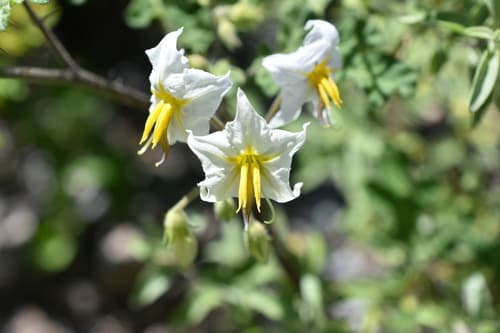
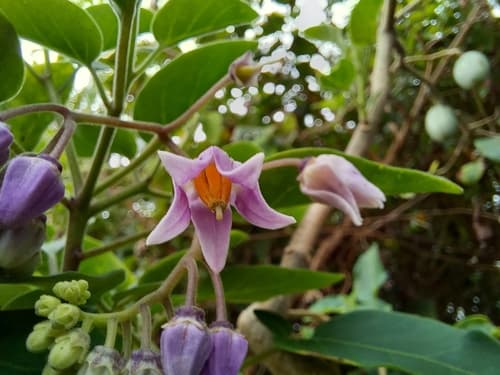
Solanum pelagicum is a scrambling shrub or vine characterized by its star-shaped, pale purple to lavender flowers with prominent yellow anthers, typical of the nightshade family. Its leaves are simple and often ovate, and it produces green berries that may ripen to other colors. The plant's overall appearance suggests a robust, often coastal-dwelling species.