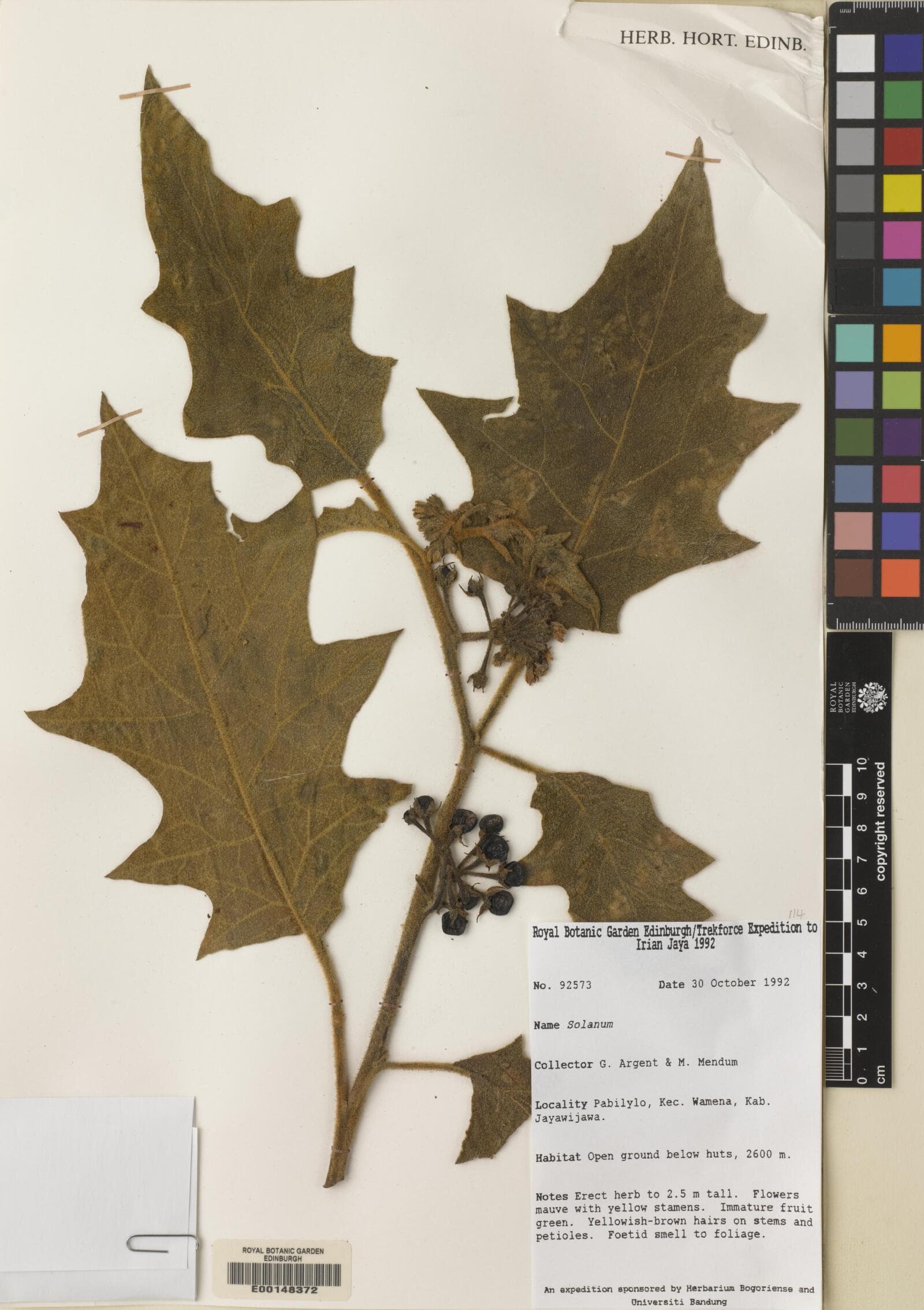
Solanum peikuoense
NameSolanum peikuoense
Scientific NameSolanum peikuoense
Common NamesPeikuoense Wild Potato, Peruvian Wild Potato
Plant FamilySolanaceae
Natural HabitatNative to the Andean regions of Peru, typically found in high-altitude environments, often in disturbed areas or along field margins.
Parts Usedleaf,root
Medicinal Actionsanti-inflammatory, antimicrobial
Traditional UsesWhile Solanum peikuoense is primarily recognized for its genetic value in potato breeding, specific traditional medicinal uses are not widely documented. Like many wild Solanum species, it likely contains steroidal glycoalkaloids, making most parts potentially toxic if consumed without proper processing. Any traditional use would likely involve highly specific preparation to mitigate toxicity, possibly for external applications where anti-inflammatory or antimicrobial properties might be sought, though this is speculative for this particular species.
Active ConstituentsSteroidal glycoalkaloids (e.g., solanine, chaconine)
Preparation Methodspowder, poultice
Contraindications & WarningsAll parts of Solanum peikuoense, especially uncooked tubers and green parts, are considered toxic due to high levels of steroidal glycoalkaloids. Consumption can lead to gastrointestinal distress, neurological symptoms, and in severe cases, death. Not recommended for internal use. Avoid during pregnancy, lactation, and in children. Interactions with medications are unknown but possible due to alkaloid content.
Cultivation NotesPrefers well-drained, fertile soil and full sun. Thrives in cooler, high-altitude climates. Propagated by seed or tubers. Requires protection from frost.
Rarityuncommon
Description
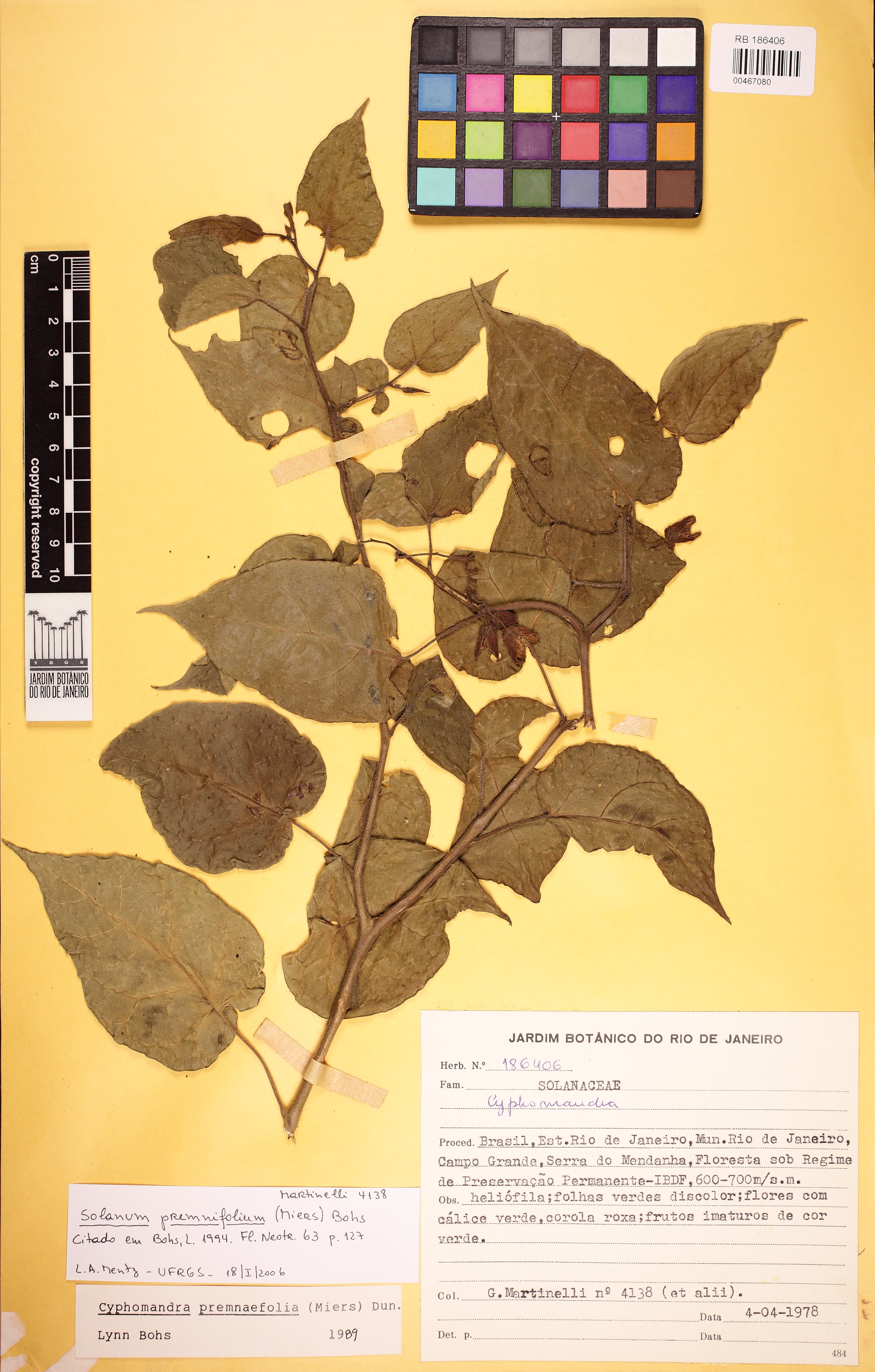
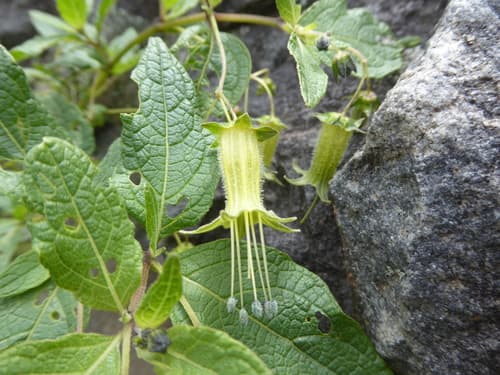
Solanum peikuoense is a wild potato species characterized by its star-shaped white to pale purple flowers with prominent yellow anthers, typical of the Solanaceae family. It is a herbaceous plant, often forming tubers underground.