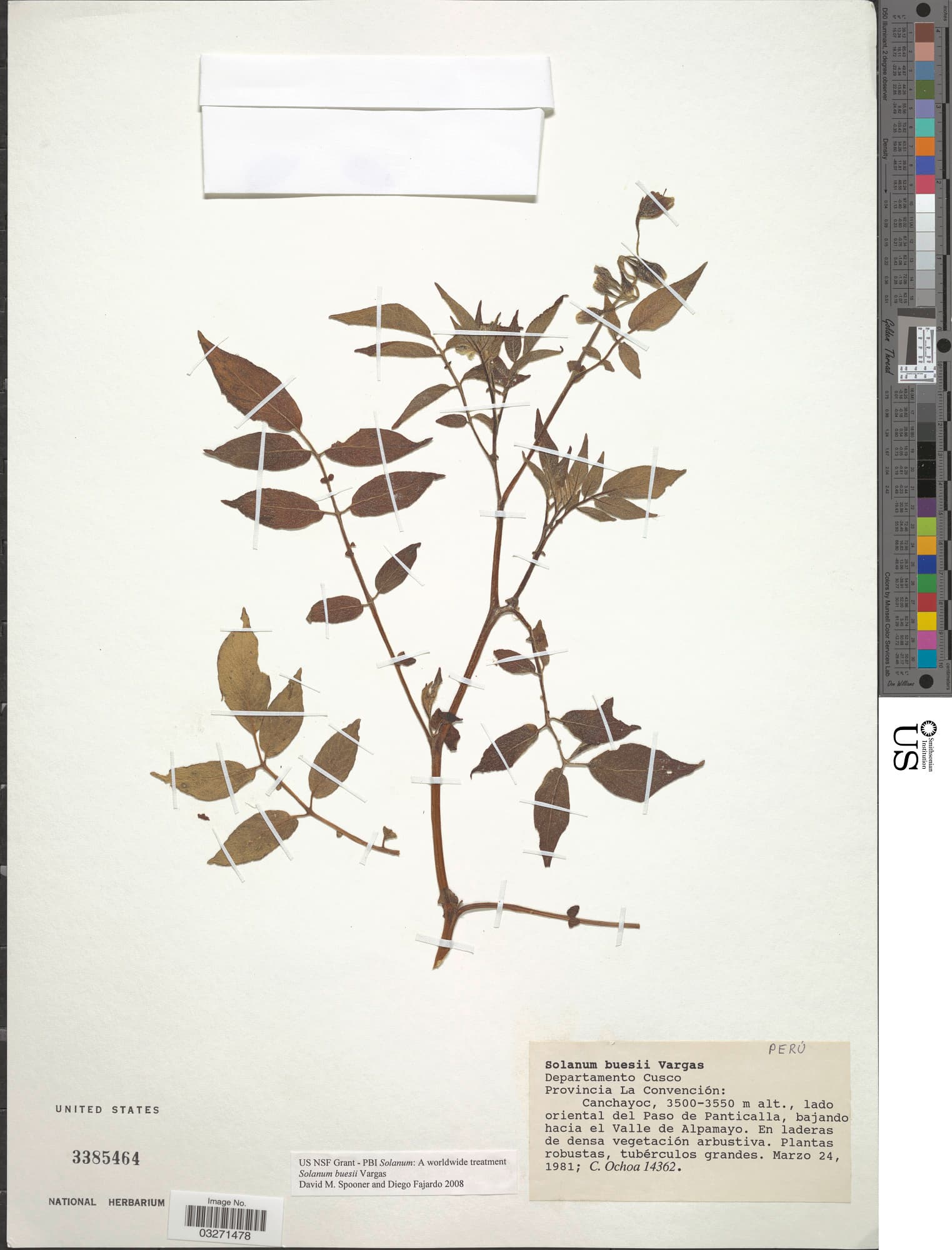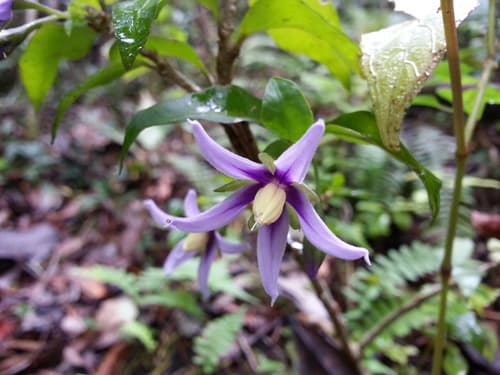
Solanum paraibanum
NameSolanum paraibanum
Scientific NameSolanum paraibanum
Common NamesParaíba Nightshade, Paraíba Solanum
Plant FamilySolanaceae
Natural HabitatNative to the Atlantic Forest biome of Paraíba, Brazil, thriving in humid, tropical to subtropical environments.
Parts Usedfruit
Medicinal Actionsanti-inflammatory, antimicrobial, antioxidant
Traditional UsesSpecific traditional medicinal uses for Solanum paraibanum are not widely documented in ethnobotanical literature due to its relatively recent scientific description. However, other species within the Solanum genus are traditionally used for their anti-inflammatory, analgesic, and antioxidant properties, often for treating various ailments or as food sources.
Active Constituentssteroidal glycoalkaloids, flavonoids, phenolic compounds
Preparation Methodsinfusion, powder
Contraindications & WarningsAs with many Solanum species, unripe fruits, leaves, and stems may contain steroidal glycoalkaloids which can be toxic. Consumption may cause gastrointestinal upset or other adverse effects. Caution is advised, especially for pregnant or nursing individuals, and those with allergies to the Solanaceae family.
Cultivation NotesThis species prefers tropical to subtropical climates with consistent moisture and well-drained soil. It thrives in full sun to partial shade conditions, requiring warm temperatures for optimal growth.
Rarityrare
Description
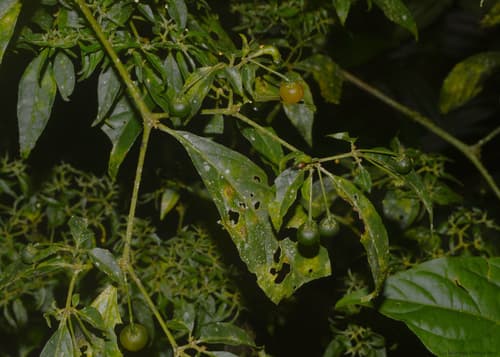
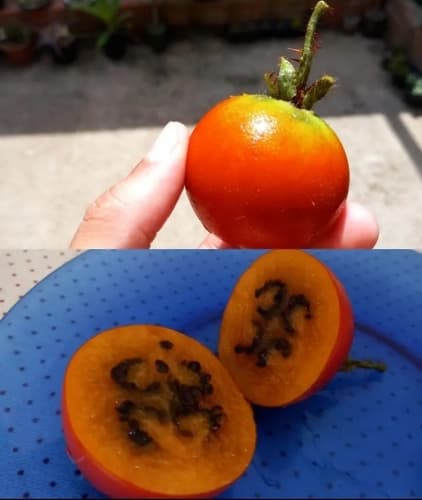
Solanum paraibanum is a species of nightshade characterized by its small, globose to ovoid fruits that ripen to a vibrant reddish-orange. The interior of the fruit is pulpy and orange, containing numerous small, dark seeds. It typically grows as a shrub or small tree.