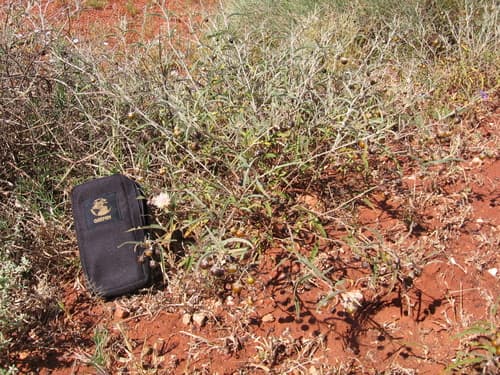
Nasa ferruginea
NameNasa ferruginea
Scientific NameNasa ferruginea
Common NamesOrtiga brava, Ortiga de la sierra, Nasa
Plant FamilyLoasaceae
Natural HabitatNative to the Andean regions of Peru and Bolivia, typically found in rocky slopes, disturbed areas, and montane forests at higher elevations.
Parts Usedwhole_plant
Medicinal Actionsanalgesic, anti-inflammatory
Traditional UsesTraditionally, some Nasa species, including potentially Nasa ferruginea, are used as counter-irritants for rheumatic pain, muscle aches, and localized inflammation. The stinging hairs are intentionally applied to the skin to create a strong local sensation, believed to stimulate circulation and alleviate deeper pain.
Active Constituentsflavonoids, terpenes, irritating compounds (in glochids)
Preparation Methodspoultice
Contraindications & WarningsDirect skin contact causes severe irritation, redness, and itching due to stinging hairs. Avoid contact with eyes and mucous membranes. Not recommended for internal use without expert guidance due to potential toxicity and severe irritation.
Cultivation NotesPrefers well-drained, rocky soils in montane environments. Requires specific climatic conditions and is not commonly cultivated outside its native range. Handle with extreme caution due to stinging hairs.
Rarityuncommon
Description
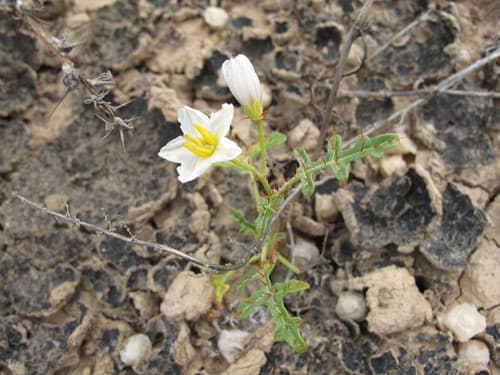
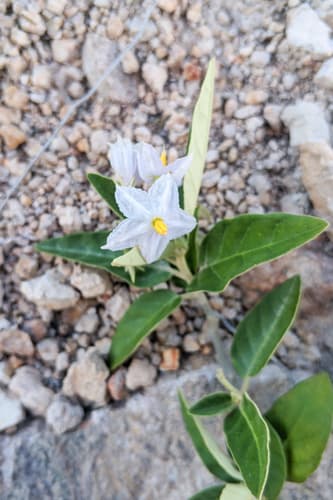
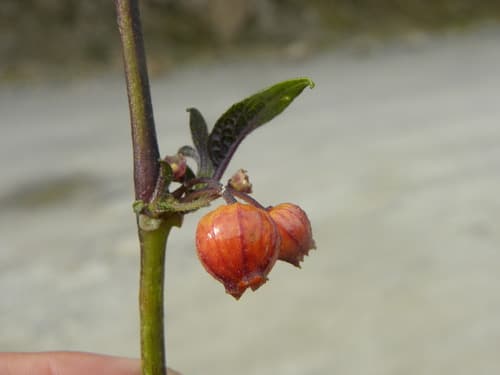
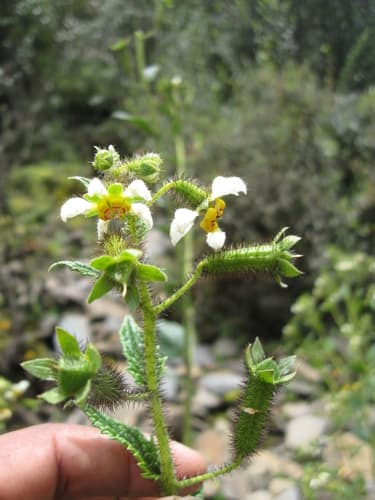
This herbaceous plant is characterized by its white petals and prominent yellow staminodes, often forming a hood-like structure in the center of the flower. Its stems and developing fruits are covered in numerous stinging hairs (glochids), giving it a bristly appearance.