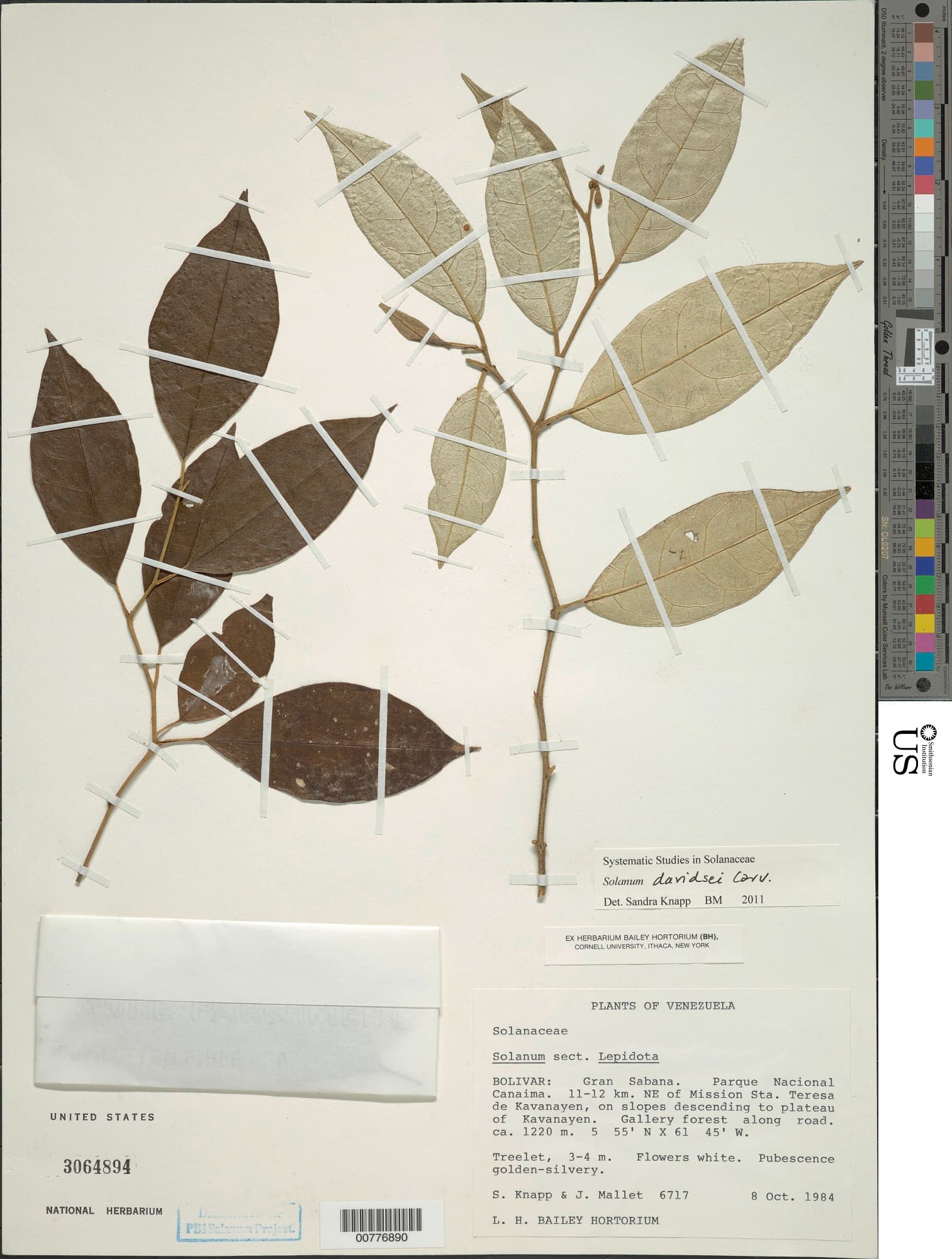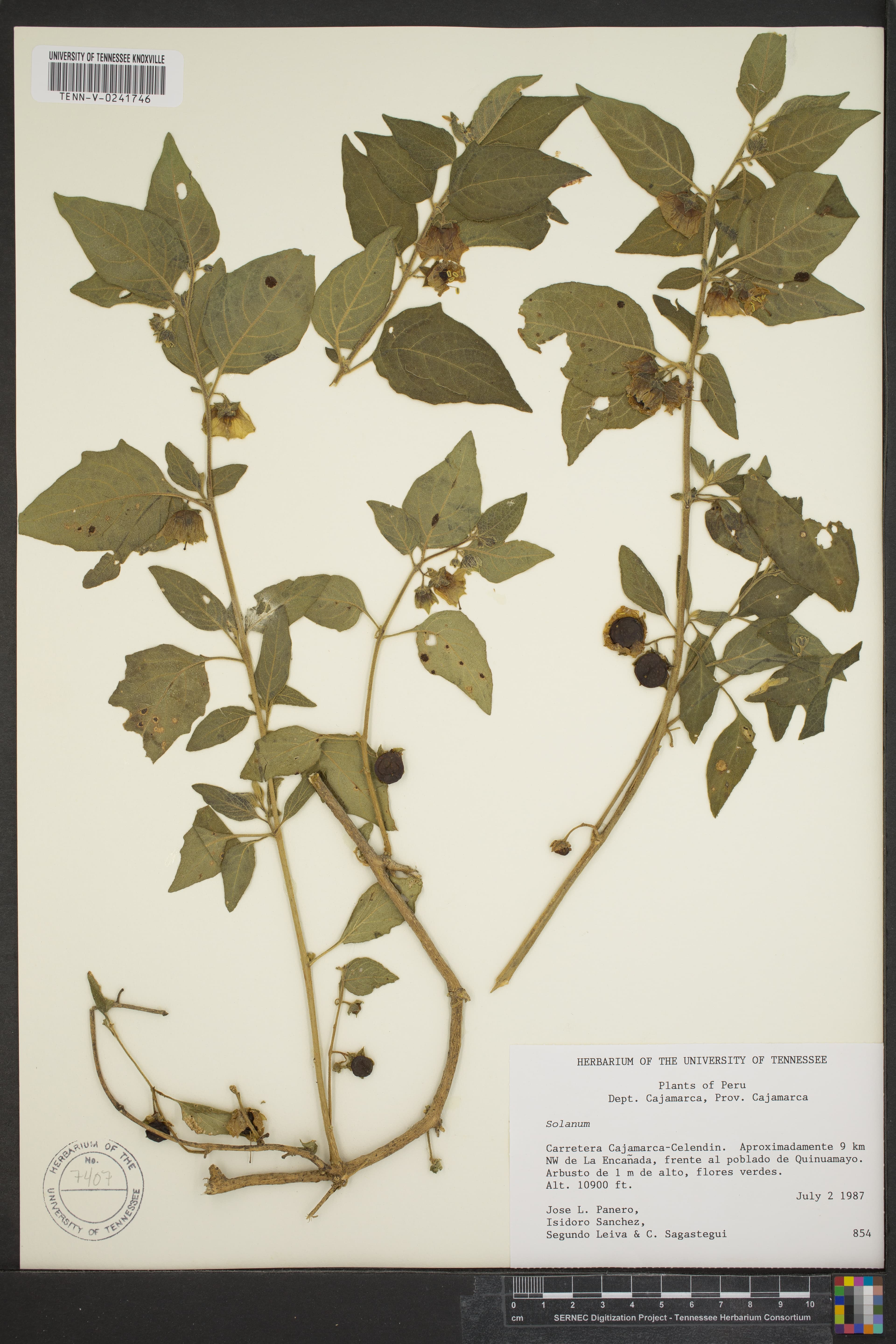
Solanum papaverifolium
NameSolanum papaverifolium
Scientific NameSolanum papaverifolium
Common NamesPoppy-leaved Nightshade
Plant FamilySolanaceae
Natural HabitatNative to South America (Argentina, Uruguay, southern Brazil), it thrives in disturbed areas, grasslands, roadsides, and agricultural fields, tolerating dry conditions and various soil types.
Parts Used
Traditional UsesSpecific traditional medicinal uses for Solanum papaverifolium are not well-documented in ethnobotanical literature. While other species within the Solanum genus have various traditional applications, this particular species is primarily recognized botanically and often considered a weed, with its potential toxicity being a significant concern rather than its medicinal value.
Active ConstituentsSteroidal glycoalkaloids (e.g., solanine, solamargine, solasonine), Flavonoids
Contraindications & WarningsAll parts of Solanum papaverifolium are considered potentially toxic due to the presence of steroidal glycoalkaloids. Ingestion can cause severe gastrointestinal distress, neurological symptoms, and can be fatal. It should not be consumed internally. Avoid use by pregnant/breastfeeding women, children, and individuals with liver or kidney conditions. External use should also be approached with extreme caution due to potential skin irritation or absorption.
Cultivation NotesThis hardy plant prefers full sun to partial shade and well-drained soil. It is drought-tolerant once established and can be propagated by seed. Often considered a weed in its native range.
Raritycommon
Description
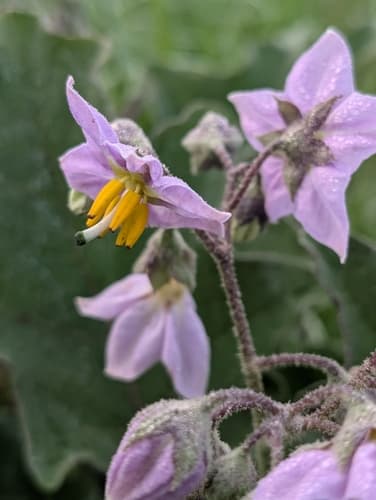
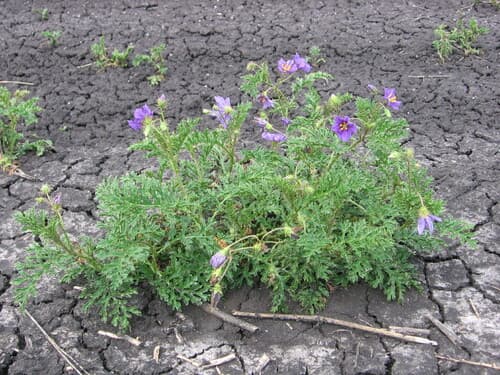
Solanum papaverifolium is a low-growing herbaceous plant characterized by its deeply lobed, fern-like leaves and purple to blue-violet flowers with prominent yellow anthers. It typically grows as an annual or perennial, often found in disturbed habitats.