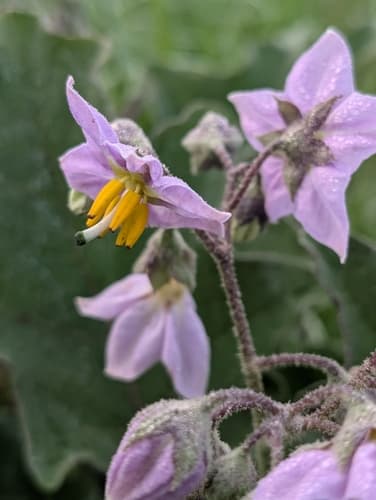
Ochlockonee Groundcherry
NameOchlockonee Groundcherry
Scientific NamePhysalis walteri
Common NamesOchlockonee Groundcherry, Walter's Groundcherry
Plant FamilySolanaceae
Natural HabitatTypically found in sandy soils, coastal dunes, pine flatwoods, and disturbed areas in the southeastern United States, particularly Florida and Georgia. It thrives in full sun to partial shade.
Parts Usedfruit,leaf
Medicinal Actionsantioxidant, anti-inflammatory, diuretic
Traditional UsesWhile specific traditional medicinal uses for Physalis walteri are not widely documented, other groundcherry species have been traditionally used for their diuretic properties, as a general tonic, or for treating fevers. The ripe fruits of P. walteri are generally considered edible.
Active ConstituentsPhysalins, Flavonoids, Carotenoids
Preparation Methodsinfusion, powder
Contraindications & WarningsUnripe fruits of Physalis species contain solanine and other glycoalkaloids, which are toxic and can cause gastrointestinal upset. Consumption of unripe fruits should be avoided. Pregnant and breastfeeding women should avoid medicinal use due to insufficient data.
Cultivation NotesPhysalis walteri prefers well-drained, sandy soils and full sun to partial shade. It is drought-tolerant once established and can be propagated by seed. Being native to warm climates, it is not frost-tolerant.
Raritycommon
Description
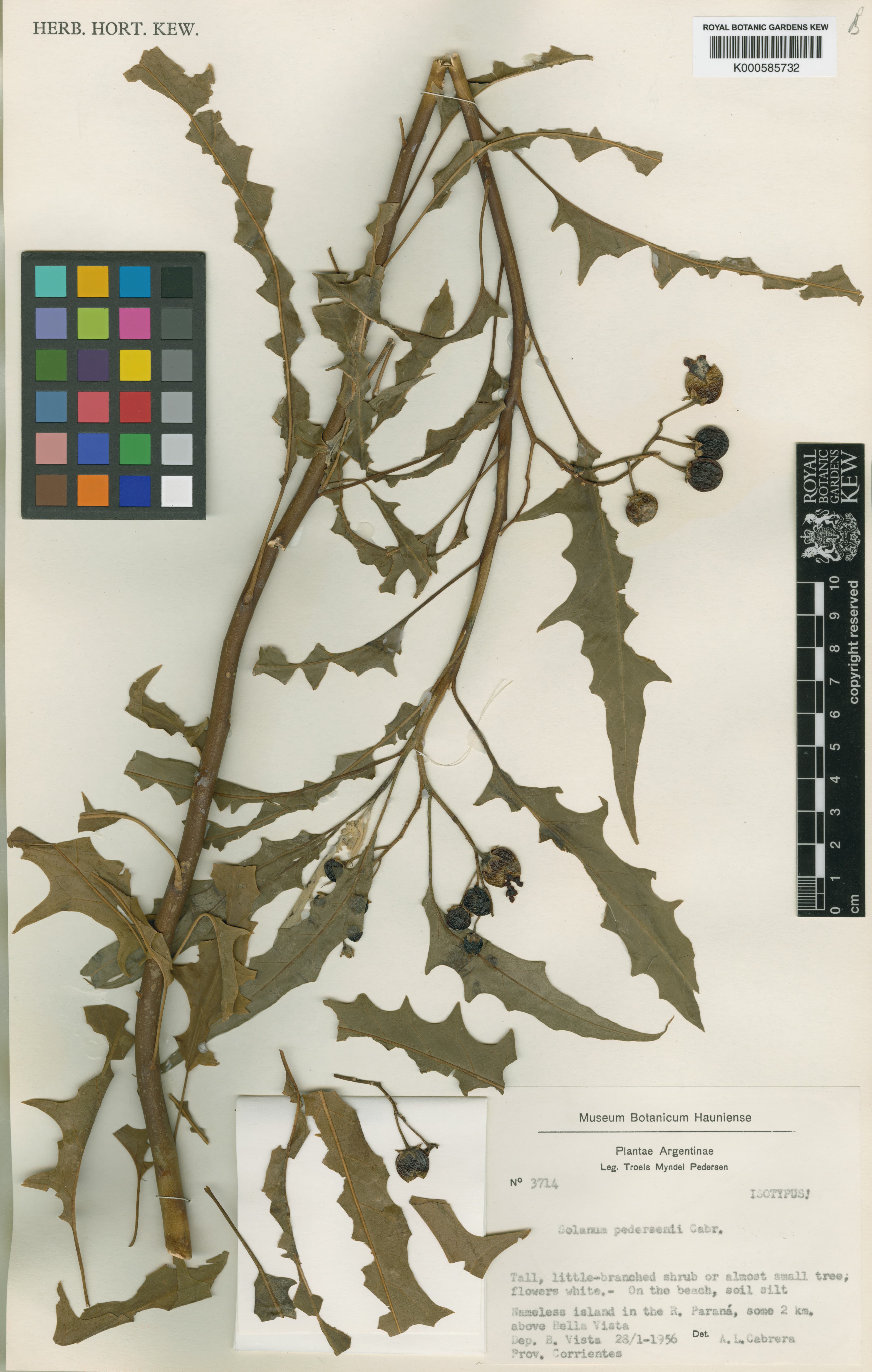
Physalis walteri is a herbaceous perennial plant characterized by its hairy stems and leaves. It produces pale lavender to white, star-shaped flowers with prominent yellow anthers, which develop into a berry enclosed in an inflated, papery calyx.