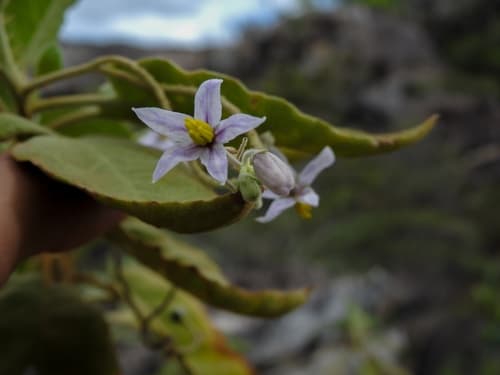
Solanum adamantium
NameSolanum adamantium
Scientific NameSolanum adamantium
Common NamesJoá-bravo, Jurubeba-do-campo
Plant FamilySolanaceae
Natural HabitatNative to Brazil, particularly found in the Cerrado biome, growing in open fields, pastures, and disturbed areas. It thrives in well-drained soils and full sun.
Parts Usedleaf,root,fruit
Medicinal Actionsanti-inflammatory, diuretic, antimicrobial
Traditional UsesTraditionally used in Brazilian folk medicine for its anti-inflammatory properties, particularly for digestive and liver disorders. It is also employed as a diuretic and for treating fevers and pain.
Active Constituentssteroidal glycoalkaloids, flavonoids, saponins
Preparation Methodsinfusion, decoction, poultice
Contraindications & WarningsContains glycoalkaloids which can be toxic in high doses; consumption should be carefully monitored. Not recommended for pregnant or nursing women, children, or individuals with pre-existing liver conditions. May cause gastrointestinal upset.
Cultivation NotesPrefers full sun exposure and well-drained soil. It is relatively drought-tolerant once established and can be propagated from seeds. Thrives in tropical and subtropical climates.
Raritycommon
Description
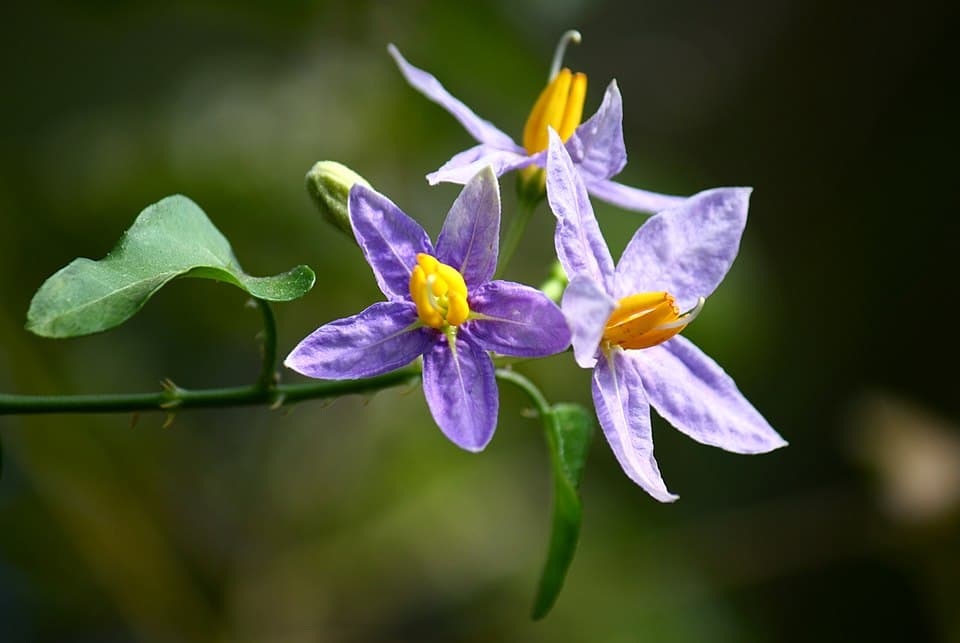
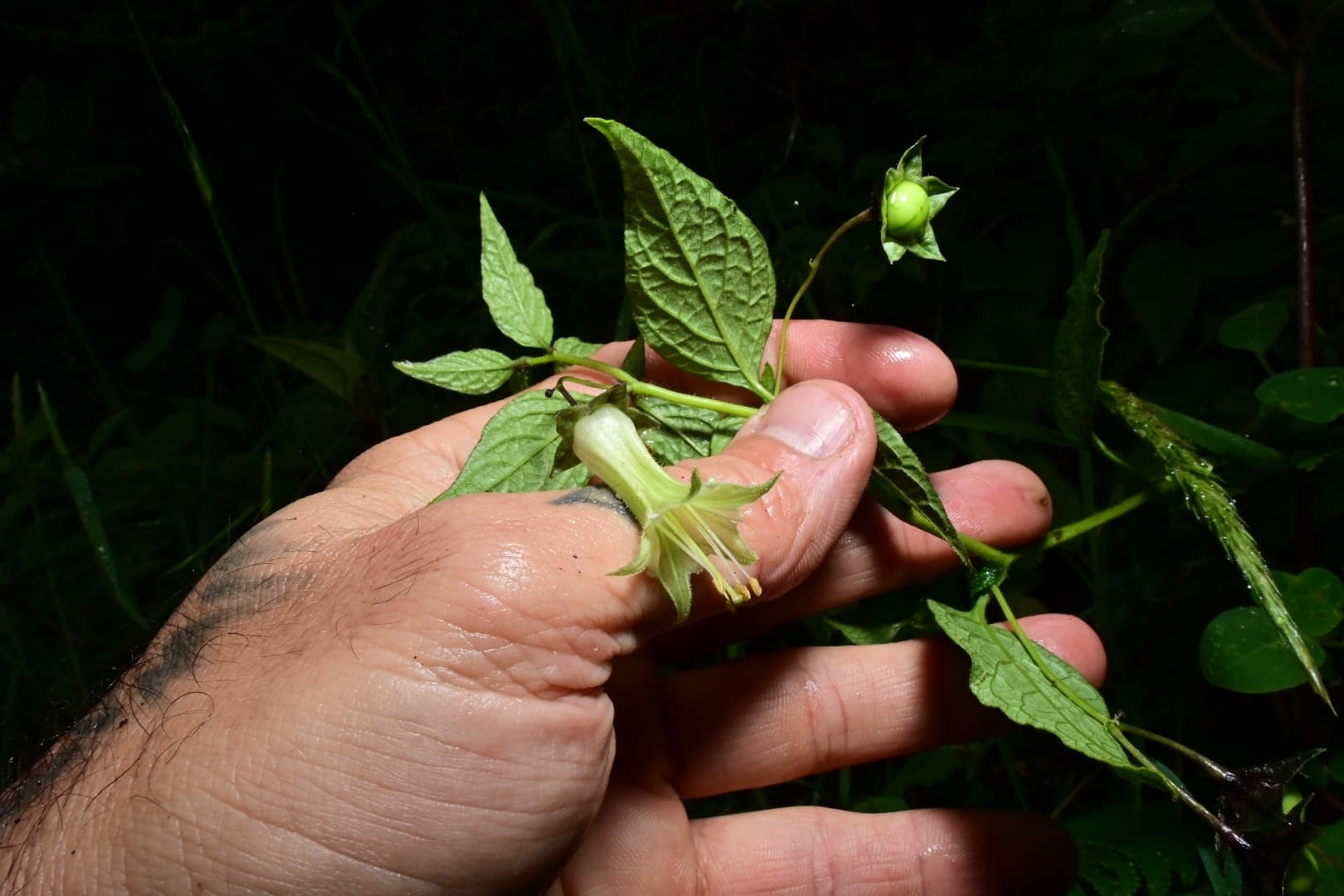
Solanum adamantium is a shrubby plant characterized by its large, ovate, often pubescent leaves and star-shaped, pale purple to white flowers with prominent yellow anthers. It produces small berries as fruit. The plant can be thorny.