Solanum osteocarpum
NameSolanum osteocarpum
Scientific NameSolanum osteocarpum
Common NamesBone-fruited Nightshade, Spiny Nightshade
Plant FamilySolanaceae
Natural HabitatNative to arid and semi-arid regions of Australia, it thrives in a variety of habitats including woodlands, shrublands, and disturbed areas, preferring well-drained soils and full sun.
Parts Usedwhole_plant
Medicinal Actionsantimicrobial, anti-inflammatory
Traditional UsesWhile some Solanum species have traditional medicinal uses, Solanum osteocarpum is generally considered toxic due to its glycoalkaloid content. There are no widely documented safe traditional medicinal uses for this specific species. Any potential antimicrobial or anti-inflammatory properties are overshadowed by its toxicity, and it is not recommended for internal or external medicinal use.
Active Constituentssteroidal glycoalkaloids (e.g., solanine, solamargine, solasonine)
Contraindications & WarningsHighly toxic; ingestion can cause severe gastrointestinal upset, neurological symptoms, and can be fatal. All parts of the plant are considered poisonous. Avoid all internal and external medicinal use. Handle with caution due to spines and potential skin irritation from sap.
Cultivation NotesThis drought-tolerant plant prefers full sun and well-drained soil. It can be propagated by seed and is generally hardy in its native arid environment. It can become weedy or invasive in suitable conditions.
Raritycommon
Description
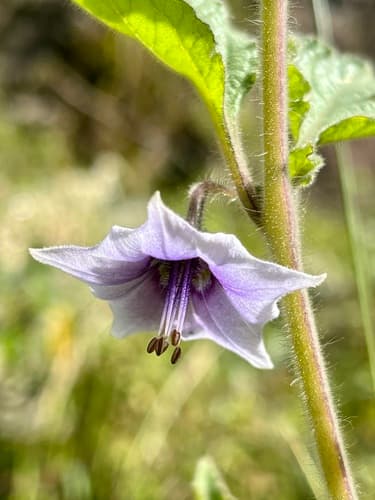
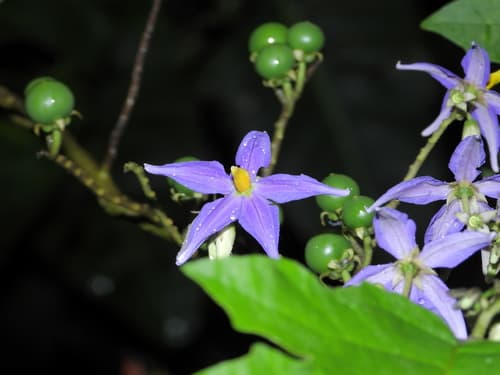
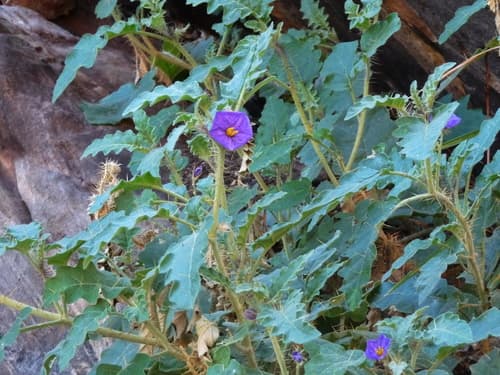
Solanum osteocarpum is a spiny, herbaceous perennial or subshrub characterized by its deeply lobed, often prickly leaves and star-shaped purple flowers with prominent yellow anthers. It produces small, round berries that are typically spiny and change color as they mature.