Tricuspid Nightshade
NameTricuspid Nightshade
Scientific NameSolanum tricuspidatum
Common NamesTricuspid Nightshade, Potato Weed (general Solanum term)
Plant FamilySolanaceae
Natural HabitatNative to parts of South America, including Brazil, Paraguay, Argentina, and Uruguay. It commonly grows in disturbed areas, forest edges, and open fields, often considered a weed.
Parts Usedleaf,fruit,whole_plant
Medicinal Actionsanti-inflammatory, analgesic, antimicrobial
Traditional UsesWhile specific widespread traditional medicinal uses for Solanum tricuspidatum are not extensively documented, other species within the Solanum genus have been traditionally used for their anti-inflammatory and analgesic properties, often applied topically for skin conditions, wounds, or localized pain. Due to the presence of toxic compounds, internal use is generally avoided or undertaken with extreme caution and expert guidance.
Active Constituentssteroidal glycoalkaloids (e.g., solanine, solamargine, solasonine), flavonoids, saponins
Preparation Methodspoultice, decoction, tincture
Contraindications & WarningsThis plant contains toxic steroidal glycoalkaloids, particularly in its unripe fruits and leaves. Ingestion can cause severe gastrointestinal upset, neurological symptoms, and can be fatal in large doses. It is contraindicated for internal use without expert supervision. Pregnant or nursing women, children, and individuals with liver or kidney conditions should strictly avoid use.
Cultivation NotesSolanum tricuspidatum is a hardy plant that can grow in a variety of soil types, preferring full sun to partial shade. It is often considered a weed in its native range due to its vigorous growth and ability to colonize disturbed areas.
Raritycommon
Description
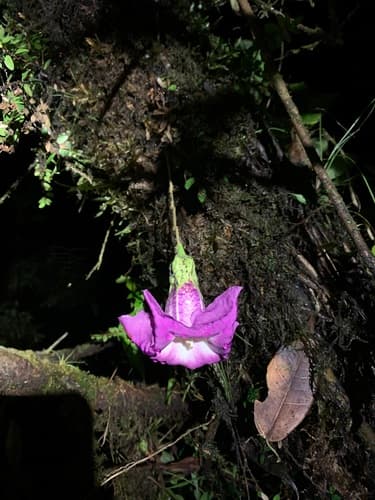
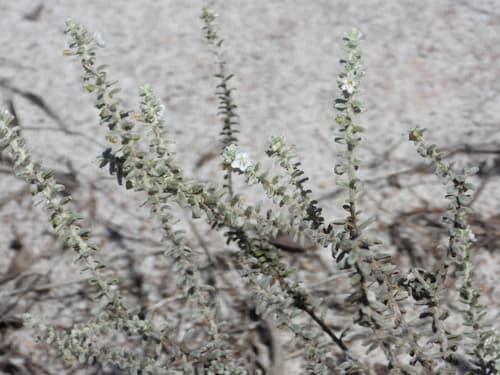
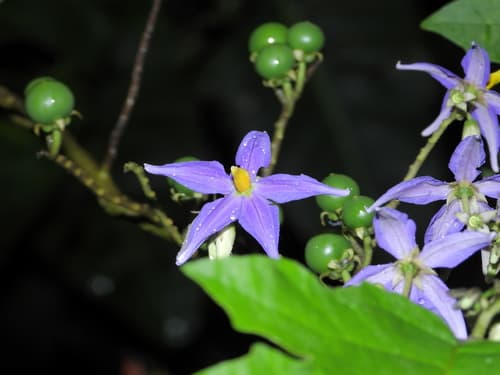
Solanum tricuspidatum is a herbaceous plant or small shrub characterized by its star-shaped, purple flowers with prominent yellow anthers. It produces clusters of small, spherical berries that are green when immature and typically ripen to a dark color. The leaves are generally ovate to lanceolate, often with lobed or toothed margins.