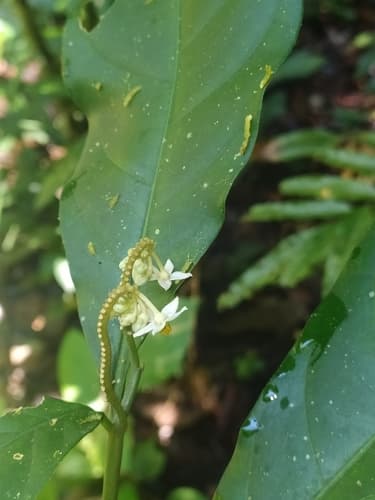
Solanum oppositifolium
NameSolanum oppositifolium
Scientific NameSolanum oppositifolium
Common NamesOpposite-leaved Nightshade
Plant FamilySolanaceae
Natural HabitatNative to tropical and subtropical regions of Asia, often found in disturbed areas, forest edges, and secondary forests, thriving in warm and humid conditions.
Parts Usedleaf,root,whole_plant
Medicinal Actionsanalgesic, anti-inflammatory, antimicrobial, antioxidant, diuretic
Traditional UsesTraditionally, Solanum oppositifolium has been used in various Asian folk medicine systems for its anti-inflammatory and analgesic properties, often applied externally as a poultice for skin conditions, wounds, and joint pain. Internally, it has been used to treat fevers, coughs, and as a diuretic.
Active Constituentssteroidal glycoalkaloids, flavonoids, saponins
Preparation Methodsinfusion, decoction, poultice, powder
Contraindications & WarningsLike many Solanum species, Solanum oppositifolium contains steroidal glycoalkaloids which can be toxic in high doses. Internal use should be approached with extreme caution and under the guidance of a qualified practitioner. It is contraindicated for pregnant or nursing women, young children, and individuals with liver or kidney conditions. Potential for gastrointestinal upset.
Cultivation NotesThis plant prefers warm, humid climates and well-drained soil. It can tolerate partial shade to full sun and is often found in disturbed areas, indicating a degree of hardiness. Propagation can be achieved through seeds or stem cuttings.
Raritycommon
Description
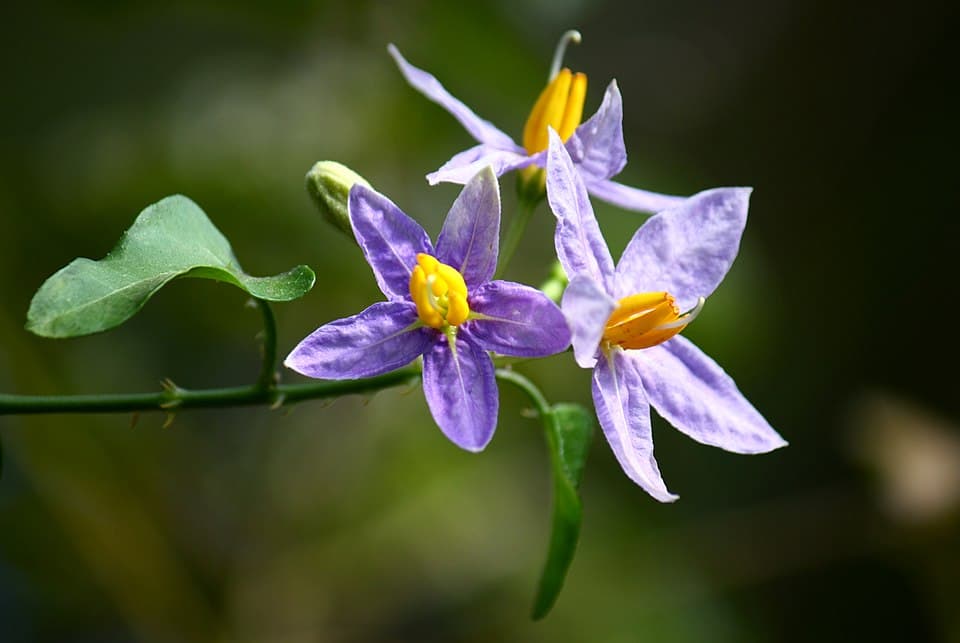
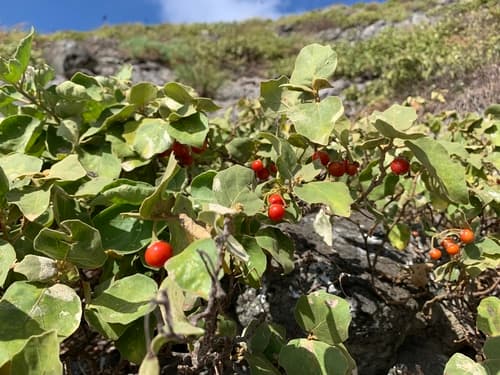
Solanum oppositifolium is a sprawling or climbing herbaceous shrub, characterized by its simple, ovate to lanceolate leaves arranged oppositely along the stem. It bears small, star-shaped white flowers with prominent yellow anthers, typically arranged in axillary or terminal racemes, which develop into small, globose, red berries.