Solanum lycopersicoides
NameSolanum lycopersicoides
Scientific NameSolanum lycopersicoides
Common NamesPeruvian Wild Tomato, Hairy Nightshade
Plant FamilySolanaceae
Natural HabitatNative to the Andes mountains of South America, particularly Peru and Chile, it typically grows in arid to semi-arid regions, often found in disturbed areas, rocky slopes, or along roadsides at moderate elevations.
Parts Usedwhole_plant
Medicinal Actionsantioxidant
Traditional UsesSolanum lycopersicoides is primarily valued for its genetic contributions to cultivated tomatoes, offering resistance to various diseases and pests. There are no widely documented traditional medicinal uses for this specific species. Like many Solanum species, it contains glycoalkaloids, and its consumption is generally not recommended.
Active Constituentsglycoalkaloids, carotenoids, phenolic compounds
Preparation Methodspowder
Contraindications & WarningsDue to the presence of glycoalkaloids, ingestion of plant parts, especially unripe fruits and foliage, may be toxic. It is not recommended for internal use without expert guidance. Pregnant or breastfeeding individuals and those with Solanaceae allergies should avoid use.
Cultivation NotesThis species prefers well-drained soil and full sun exposure. It is relatively drought-tolerant once established and can be propagated from seeds. It is often grown in research settings for its genetic value rather than for ornamental or direct medicinal purposes.
Rarityuncommon
Description
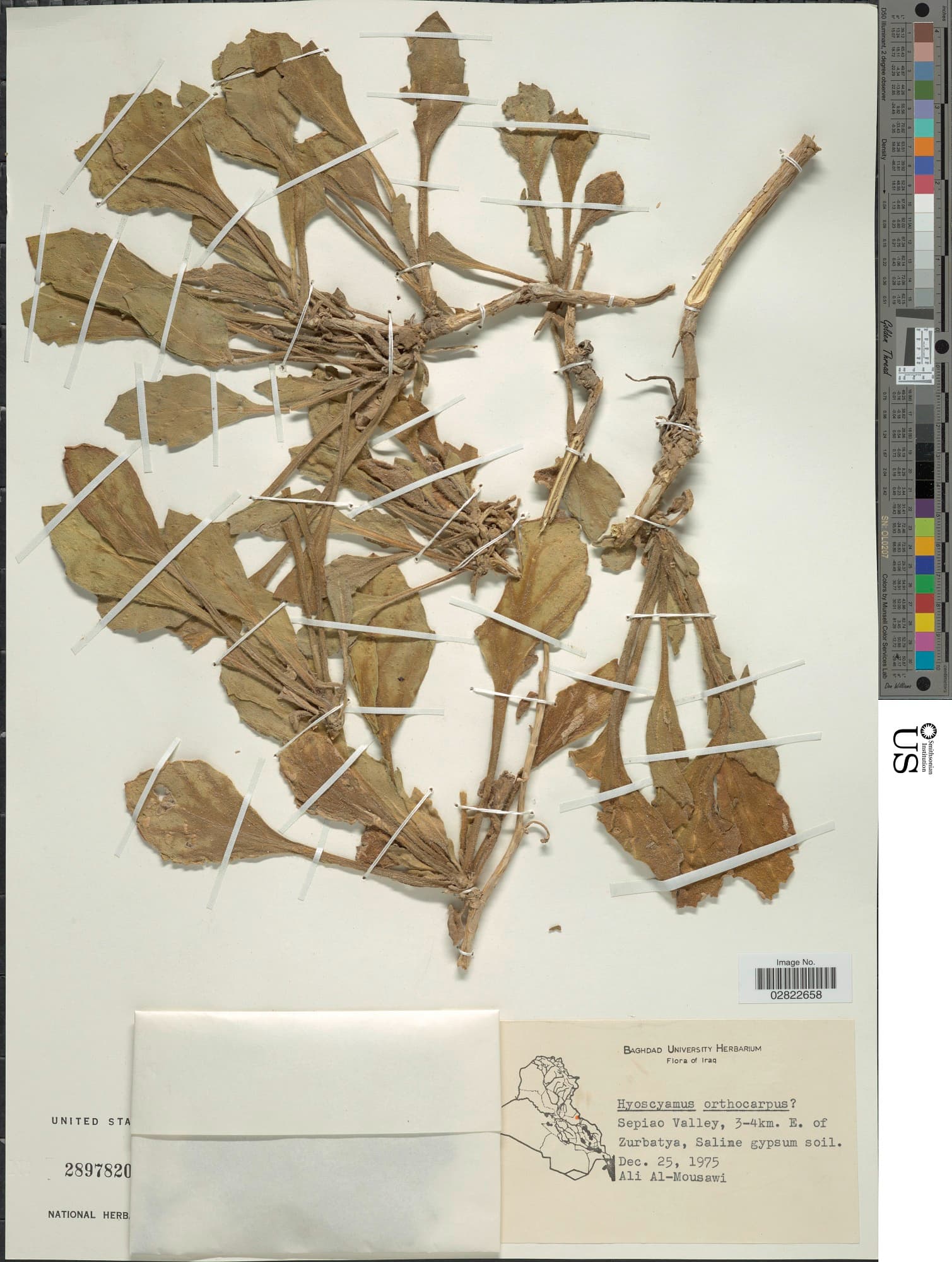
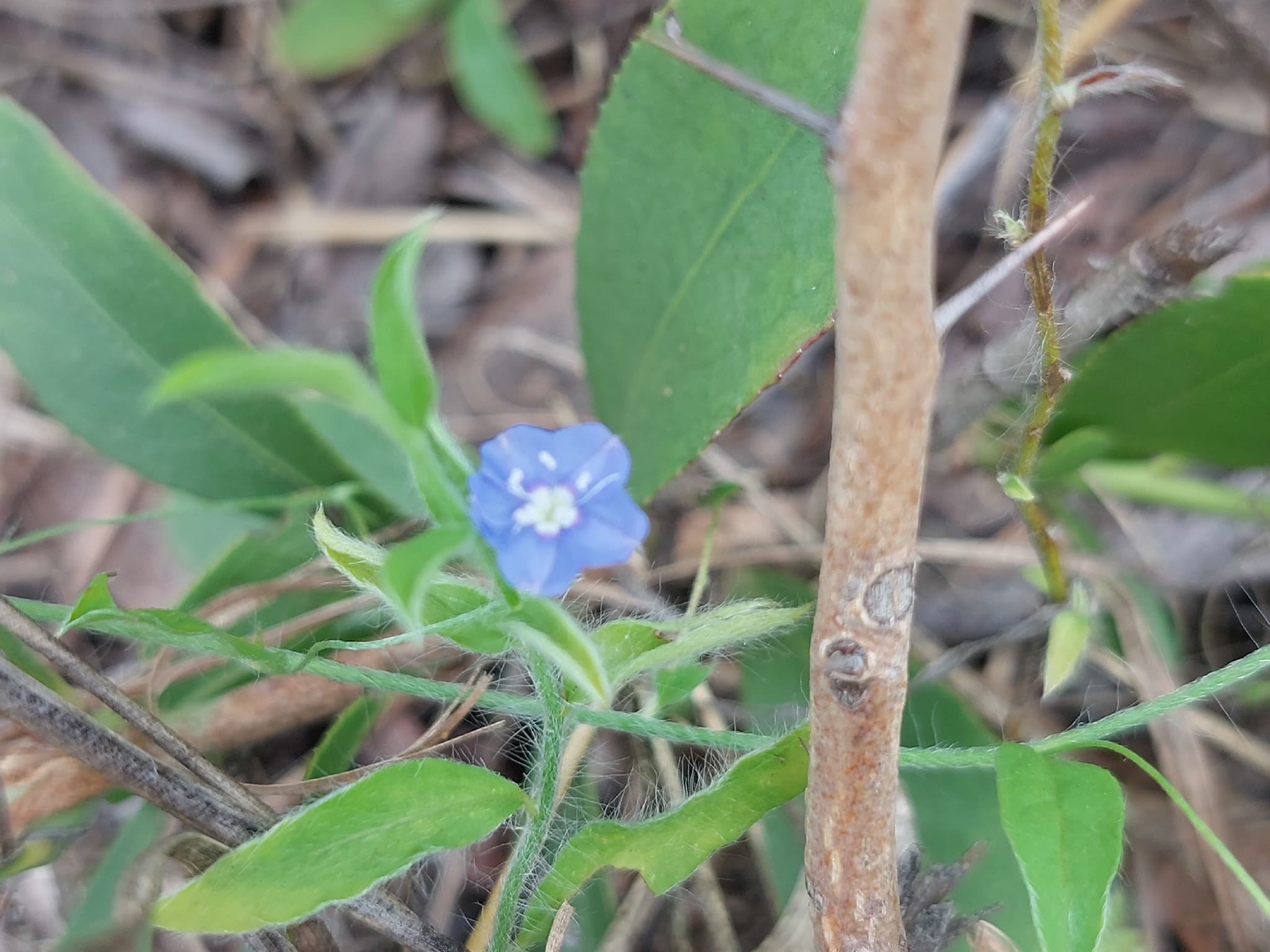
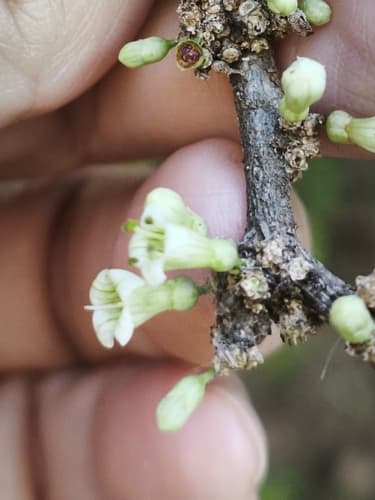
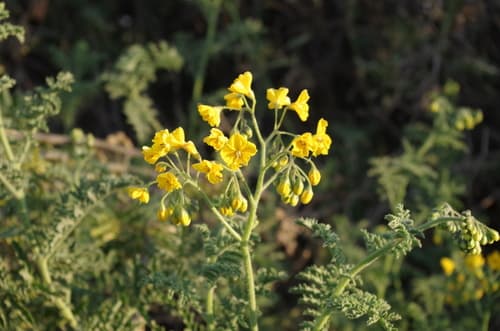
Solanum lycopersicoides is an herbaceous plant characterized by its deeply lobed, often hairy or glandular leaves and clusters of bright yellow, star-shaped flowers. It produces small, green fruits that resemble wild tomatoes. This species is primarily known for its genetic importance as a wild relative of the cultivated tomato.