Madagascar Periwinkle
NameMadagascar Periwinkle
Scientific NameCatharanthus roseus
Common NamesMadagascar Periwinkle, Bright Eyes, Cape Periwinkle, Pink Periwinkle, Old Maid
Plant FamilyApocynaceae
Natural HabitatNative to Madagascar, this plant thrives in tropical and subtropical regions, often found in dry, open woodlands, grasslands, and coastal areas. It has become widely naturalized in many warm climates globally due to its adaptability and cultivation.
Parts Usedleaf,root,whole_plant
Medicinal Actionsantimicrobial, astringent, anti-inflammatory, antioxidant, diuretic
Traditional UsesTraditionally, Madagascar Periwinkle has been used for various ailments including diabetes, hypertension, malaria, and dysentery. It was also applied topically as an astringent for wounds and to stop bleeding. Modern medicine has famously isolated potent anti-cancer alkaloids from this plant.
Active ConstituentsVincristine, Vinblastine, Vindoline, Catharanthine, Tannins, Flavonoids
Preparation Methodsinfusion, decoction, powder, poultice
Contraindications & WarningsMadagascar Periwinkle is highly toxic if ingested in large quantities due to its potent alkaloid content and should only be used under strict medical supervision. It is contraindicated for pregnant or breastfeeding women and can interact with medications, particularly those for blood sugar or blood pressure.
Cultivation NotesThis plant prefers full sun to partial shade and well-drained soil, thriving in warm climates. It is relatively drought-tolerant once established and can be propagated from seeds or cuttings. Madagascar Periwinkle is sensitive to frost and requires protection in cooler zones.
Raritycommon
Description
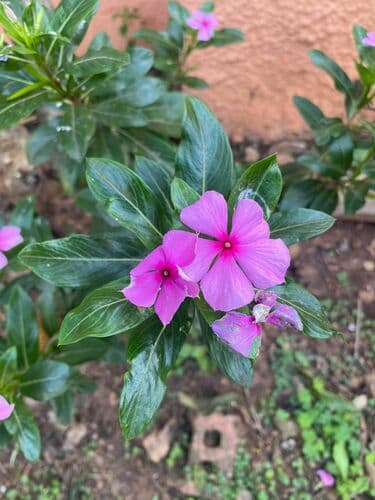
Madagascar Periwinkle is an evergreen subshrub or herbaceous perennial, typically growing up to 1 meter tall. It features glossy, dark green leaves and five-petaled flowers that can range in color from pink, white, to purple, often with a contrasting darker eye. The plant is well-known for its ornamental value and significant medicinal properties.