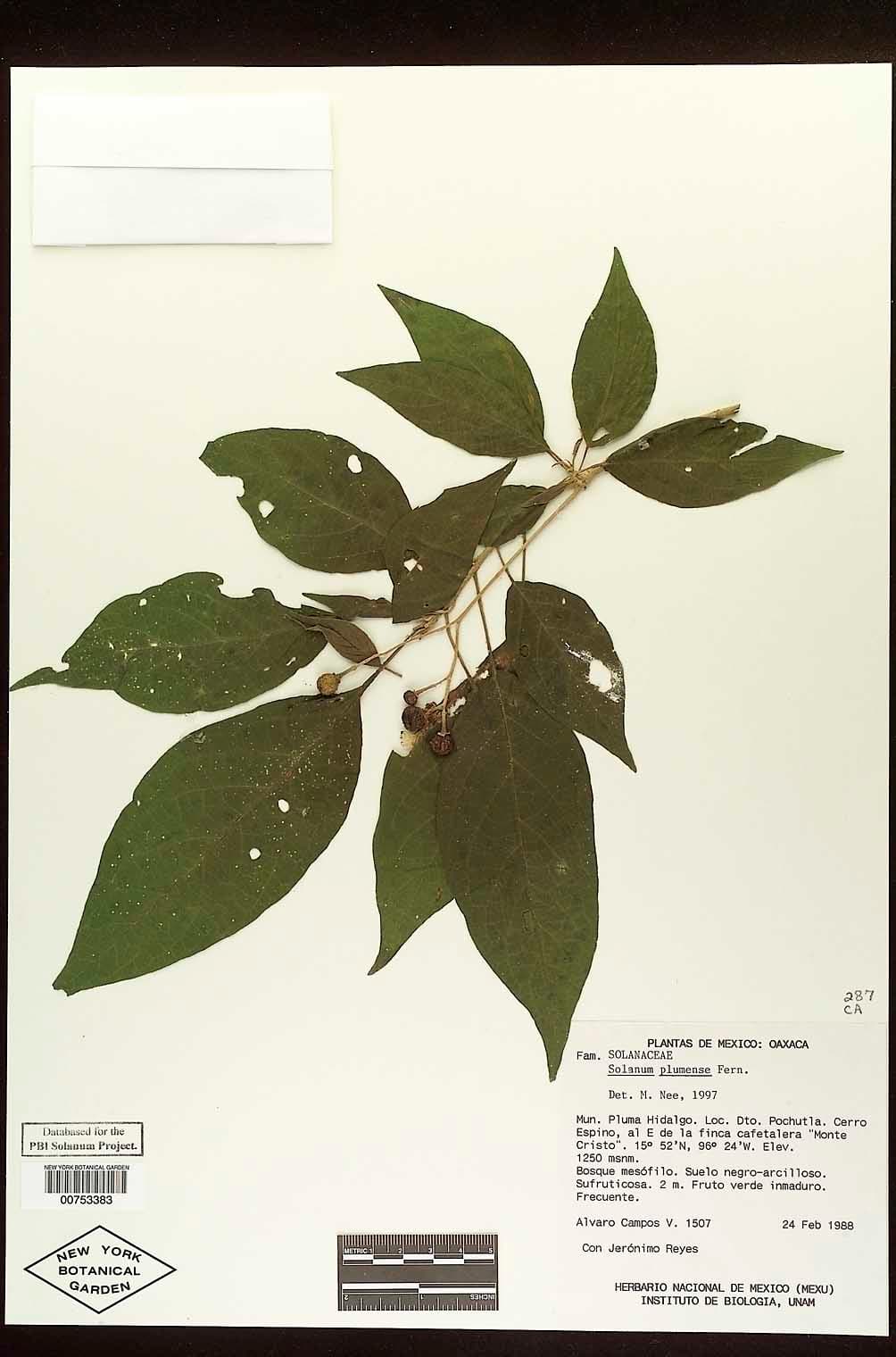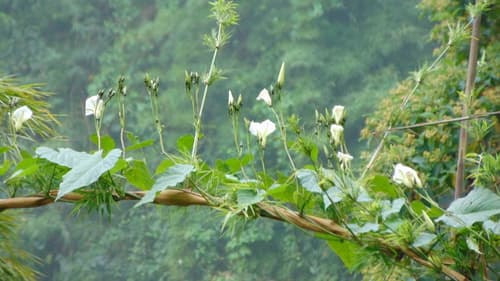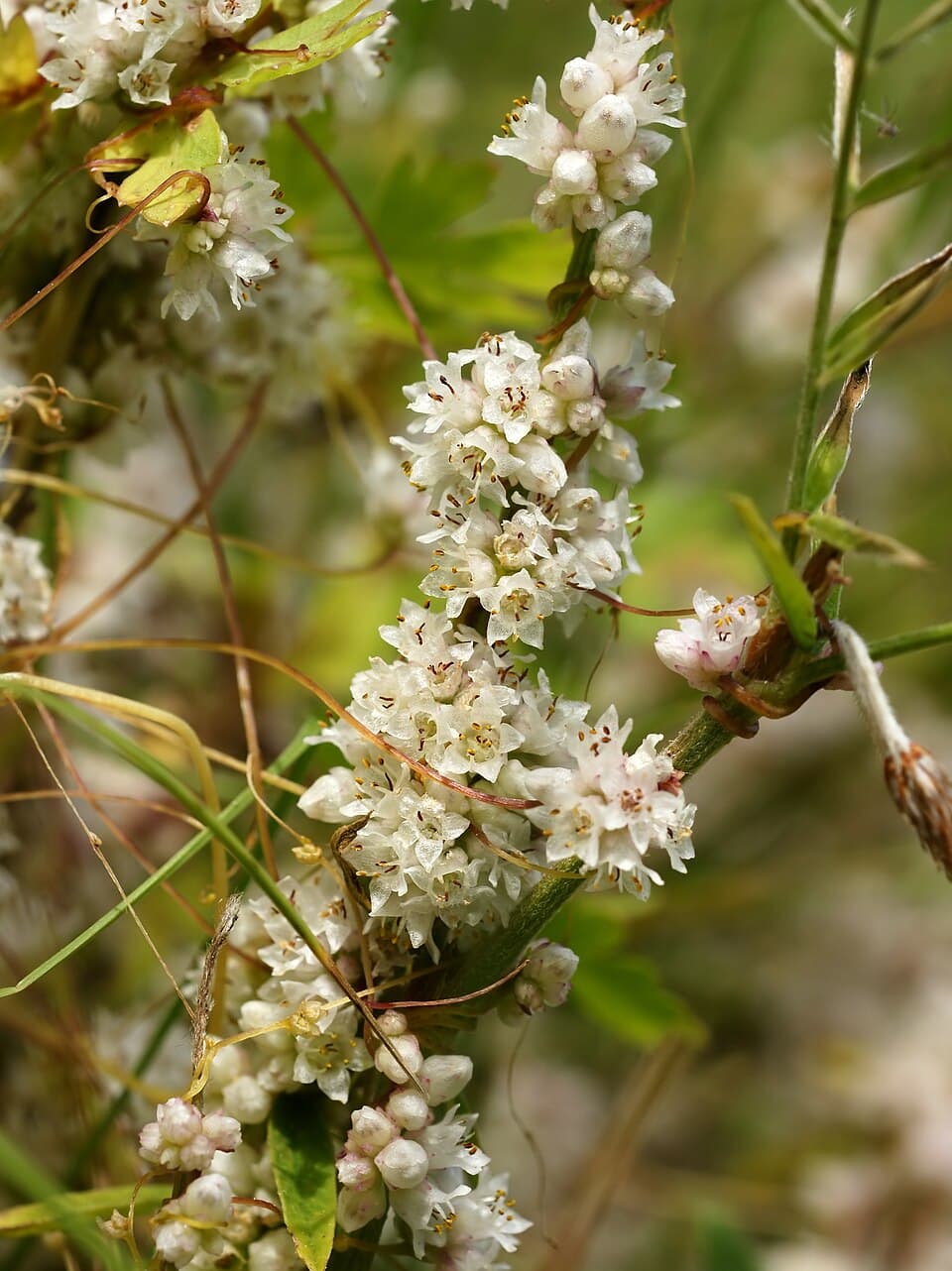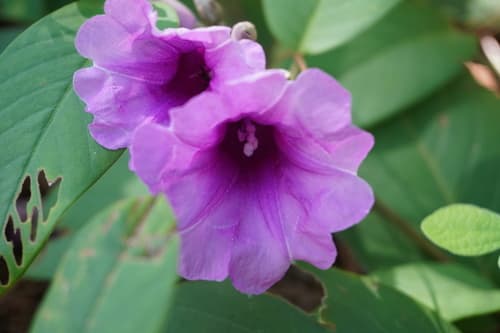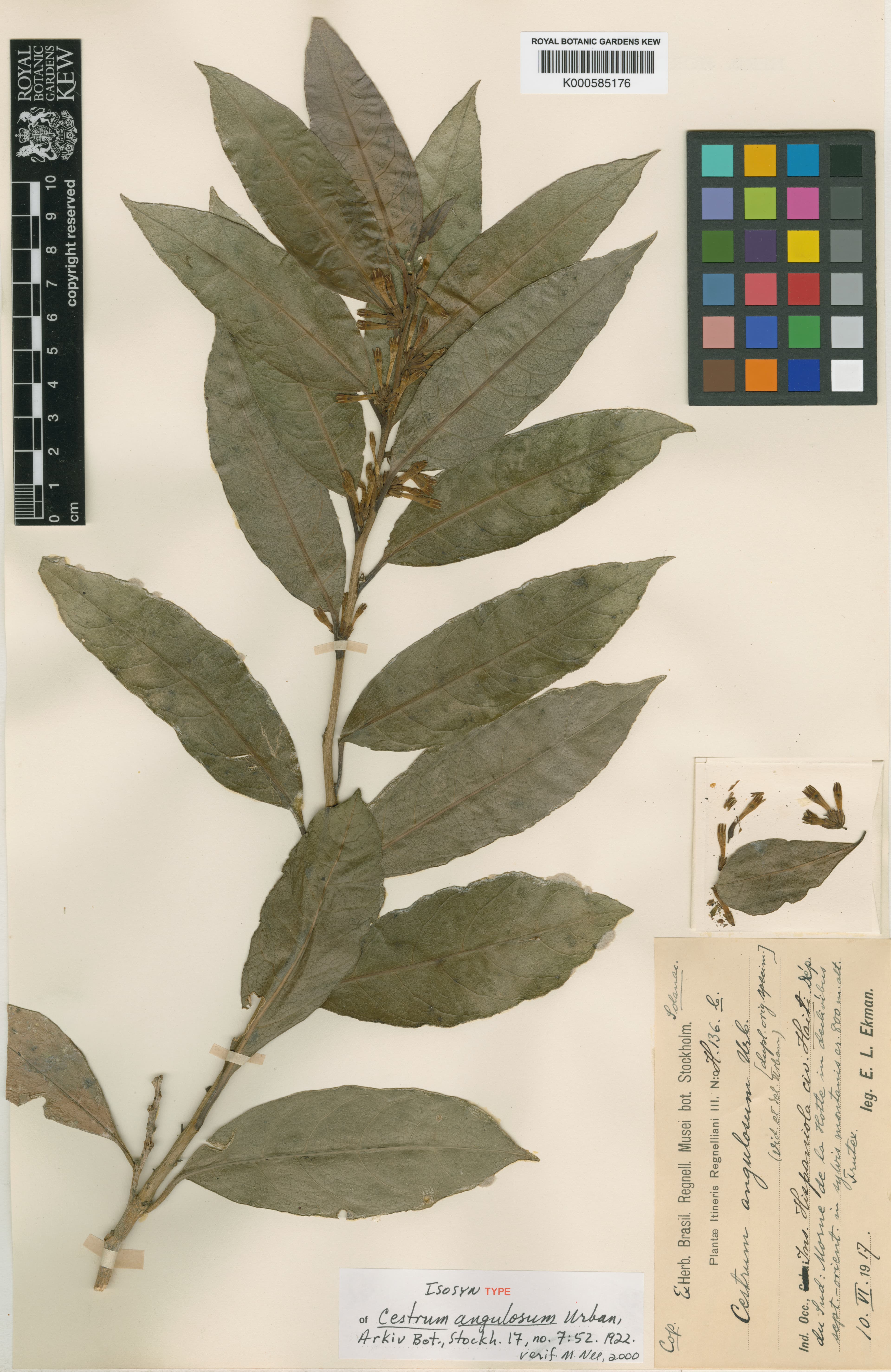
Cestrum angulosum
Image: Ekman, E.L. (cc-by)
NameCestrum angulosum
Scientific NameCestrum angulosum Urb.
Plant FamilySolanaceae
Natural HabitatNative to the mountainous forests of Hispaniola (Caribbean), specifically noted in the Morne de la Hotte region at elevations around 800 meters.
Parts Usedleaf,flower
Traditional UsesTraditional medicinal uses for Cestrum angulosum are not well-documented in available ethnobotanical literature. The genus Cestrum is generally known for containing potentially toxic compounds.
Active Constituentssteroidal glycoalkaloids, saponins
Contraindications & WarningsDue to the presence of potentially toxic steroidal glycoalkaloids common in the Cestrum genus, internal use of Cestrum angulosum is generally contraindicated. It should be avoided during pregnancy, lactation, and in children. Consultation with a qualified expert is essential before any use.
Cultivation NotesThis species thrives in tropical to subtropical climates, preferring well-drained soil conditions. It is likely to grow best in environments that mimic its natural mountainous forest habitat, possibly with partial shade.
Rarityuncommon
Description
Cestrum angulosum is a woody shrub or small tree characterized by its alternate, simple, entire, ovate-lanceolate leaves. The plant produces small, tubular flowers that are typically arranged in axillary clusters along the stems.