Basil
NameBasil
Scientific NameOcimum basilicum
Common NamesBasil, Sweet Basil, Great Basil
Plant FamilyLamiaceae
Natural HabitatNative to tropical regions of Central Africa and Southeast Asia, basil thrives in warm, sunny climates with well-drained, fertile soil. It is widely cultivated globally in gardens and as a potted plant.
Parts Usedleaf,flower,seed
Medicinal Actionsantimicrobial, antioxidant, anti-inflammatory, carminative, adaptogen
Traditional UsesTraditionally, basil has been used to aid digestion, relieve flatulence, and reduce symptoms of colds, coughs, and fevers. It is also employed as a general tonic and applied topically for skin irritations and insect bites.
Active Constituentseugenol, linalool, methyl chavicol (estragole), limonene, cinnamate, flavonoids
Preparation Methodsinfusion, decoction, tincture, essential oil, poultice
Contraindications & WarningsPregnant or breastfeeding women should use basil in medicinal quantities with caution. High doses of basil essential oil should be avoided. It may interact with anticoagulant medications due to its coumarin content.
Cultivation NotesBasil prefers full sun and well-drained, fertile soil. It requires consistent moisture but is sensitive to waterlogging. Pinching back flower buds encourages bushier growth and prolongs leaf production.
Raritycommon
Description
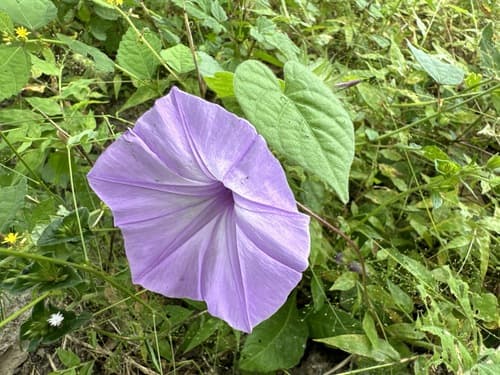
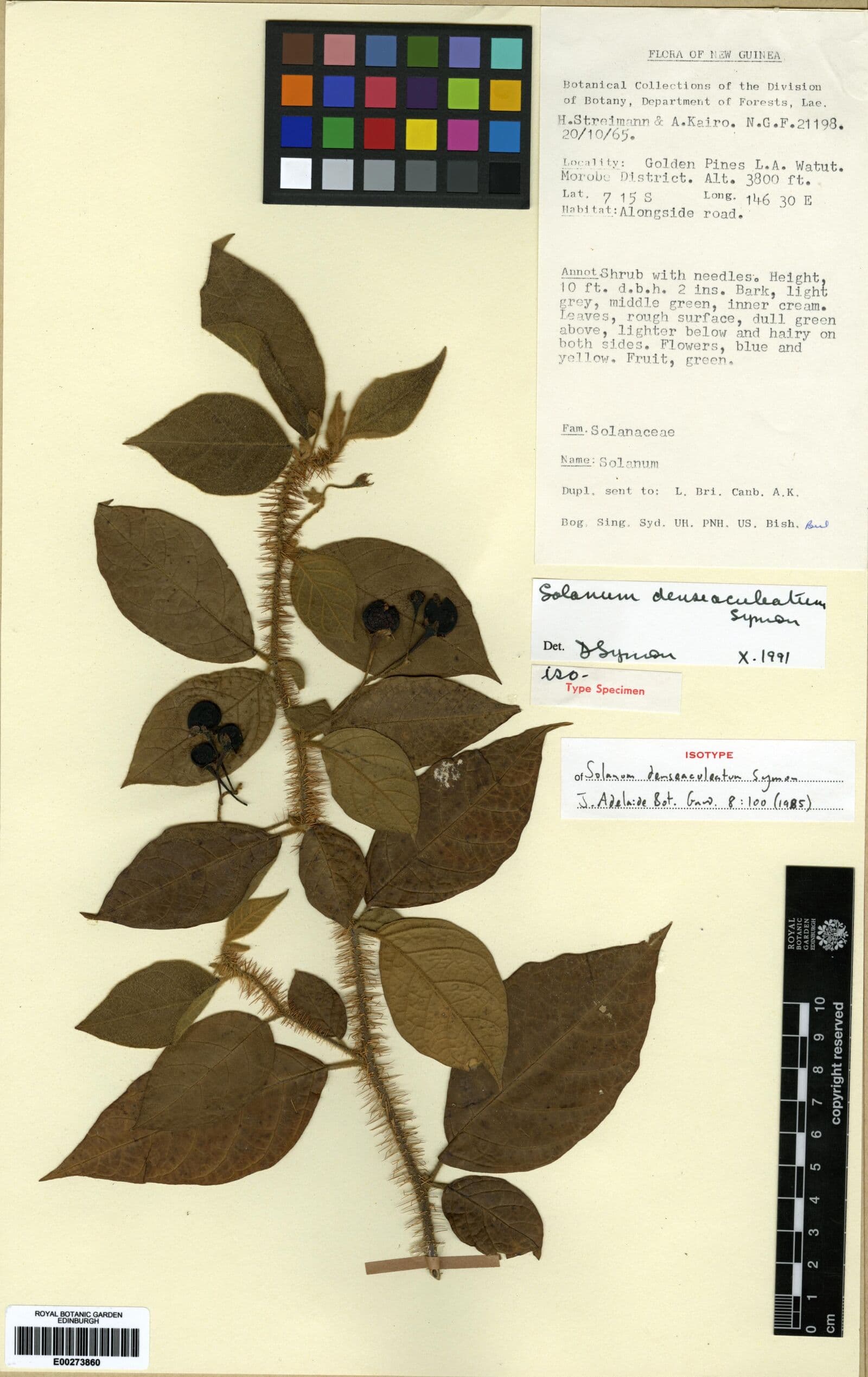
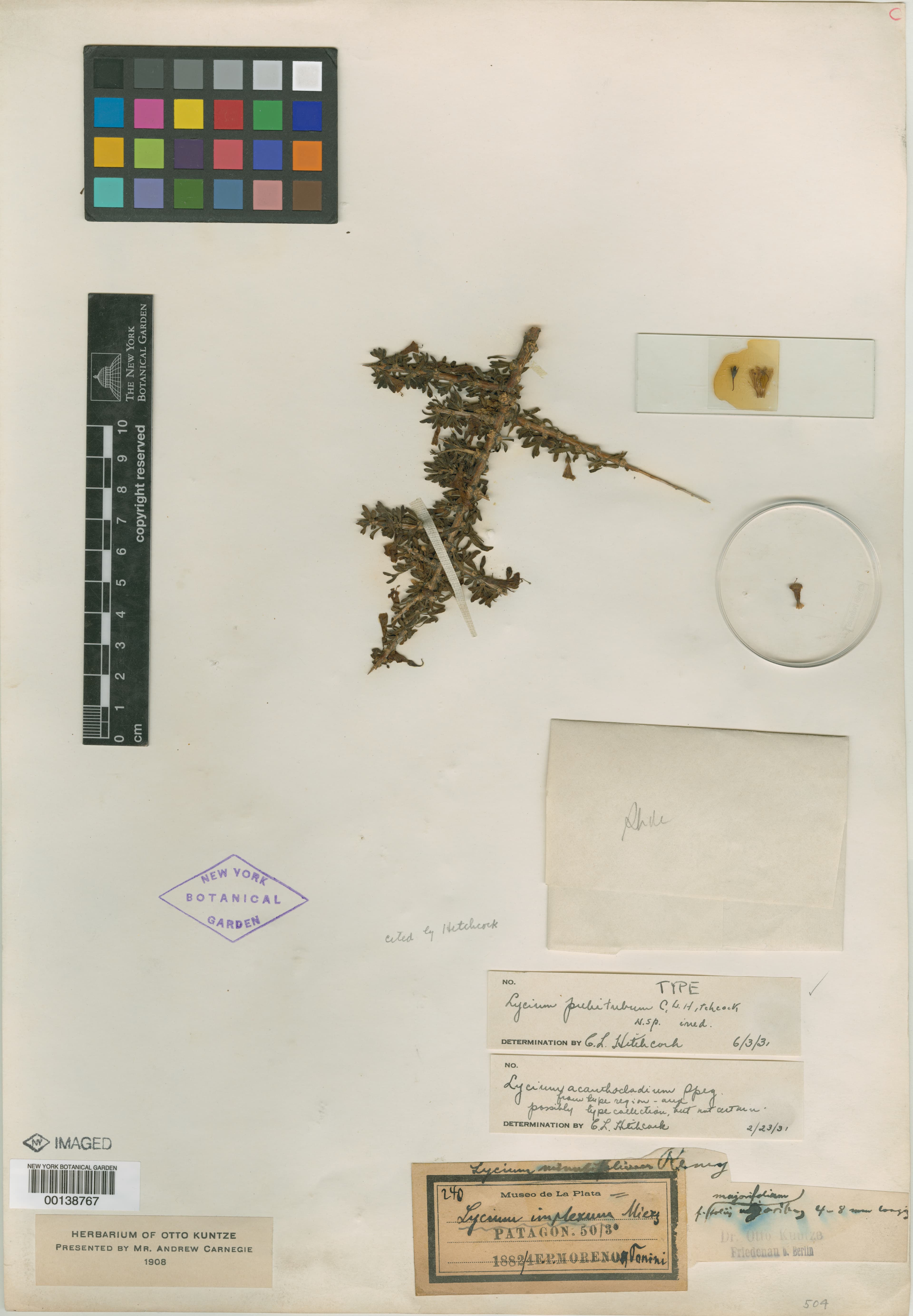
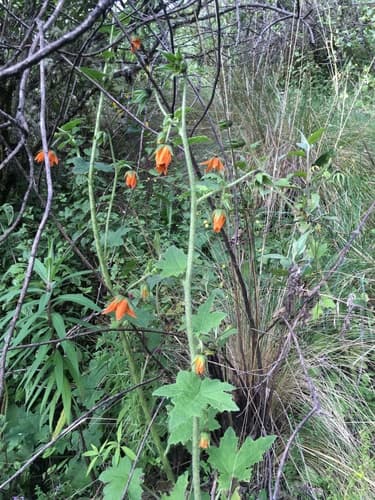
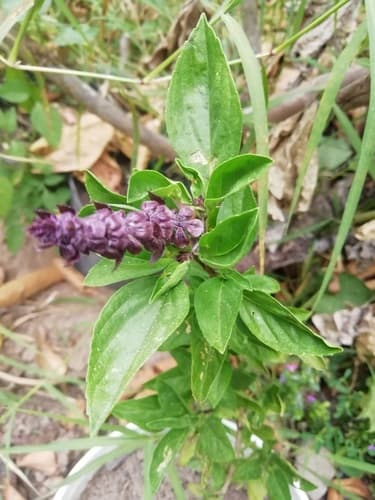
Basil is an aromatic annual herb characterized by its ovate, often slightly toothed, green leaves and square stems. It produces spikes of small, tubular flowers, which can be white or purple, as seen in the image.