Flax Dodder
NameFlax Dodder
Scientific NameCuscuta epilinum
Common NamesFlax Dodder, Dodder, Hellweed, Strangleweed
Plant FamilyConvolvulaceae
Natural HabitatThis parasitic plant is found growing on flax (Linum usitatissimum) fields and other herbaceous plants, primarily in temperate regions where flax is cultivated.
Parts Usedwhole_plant,seed
Medicinal Actionsastringent, diuretic, antioxidant
Traditional UsesIn traditional medicine, particularly Traditional Chinese Medicine (TCM), the seeds of dodder species (known as Tu Si Zi) are used to tonify the kidney and liver, improve vision, and treat conditions such as impotence, premature ejaculation, frequent urination, and lower back pain. The whole plant has also been used for similar tonic purposes.
Active Constituentsflavonoids, lignans, polysaccharides, coumarins
Preparation Methodsinfusion, decoction, powder
Contraindications & WarningsDodder is contraindicated during pregnancy and in individuals with yin deficiency with heat signs or constipation. It should be used with caution and under professional guidance due to its potent effects.
Cultivation NotesAs an obligate parasitic plant, Flax Dodder cannot be cultivated independently. It requires a host plant, typically flax, to germinate and grow, making its 'cultivation' more about managing its presence as a weed in agricultural settings.
Rarityuncommon
Description
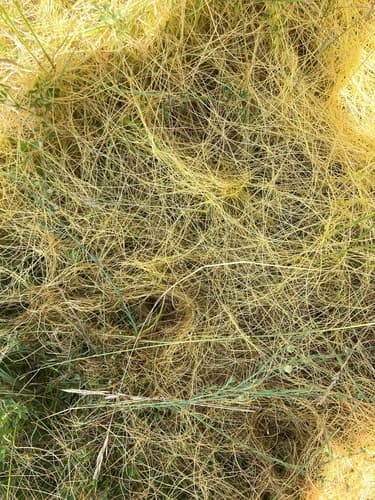
Flax Dodder is an obligate parasitic annual plant, characterized by its slender, yellowish-orange, thread-like stems that twine around host plants. Lacking true leaves and chlorophyll, it relies entirely on its host for nutrients, attaching via specialized structures called haustoria.