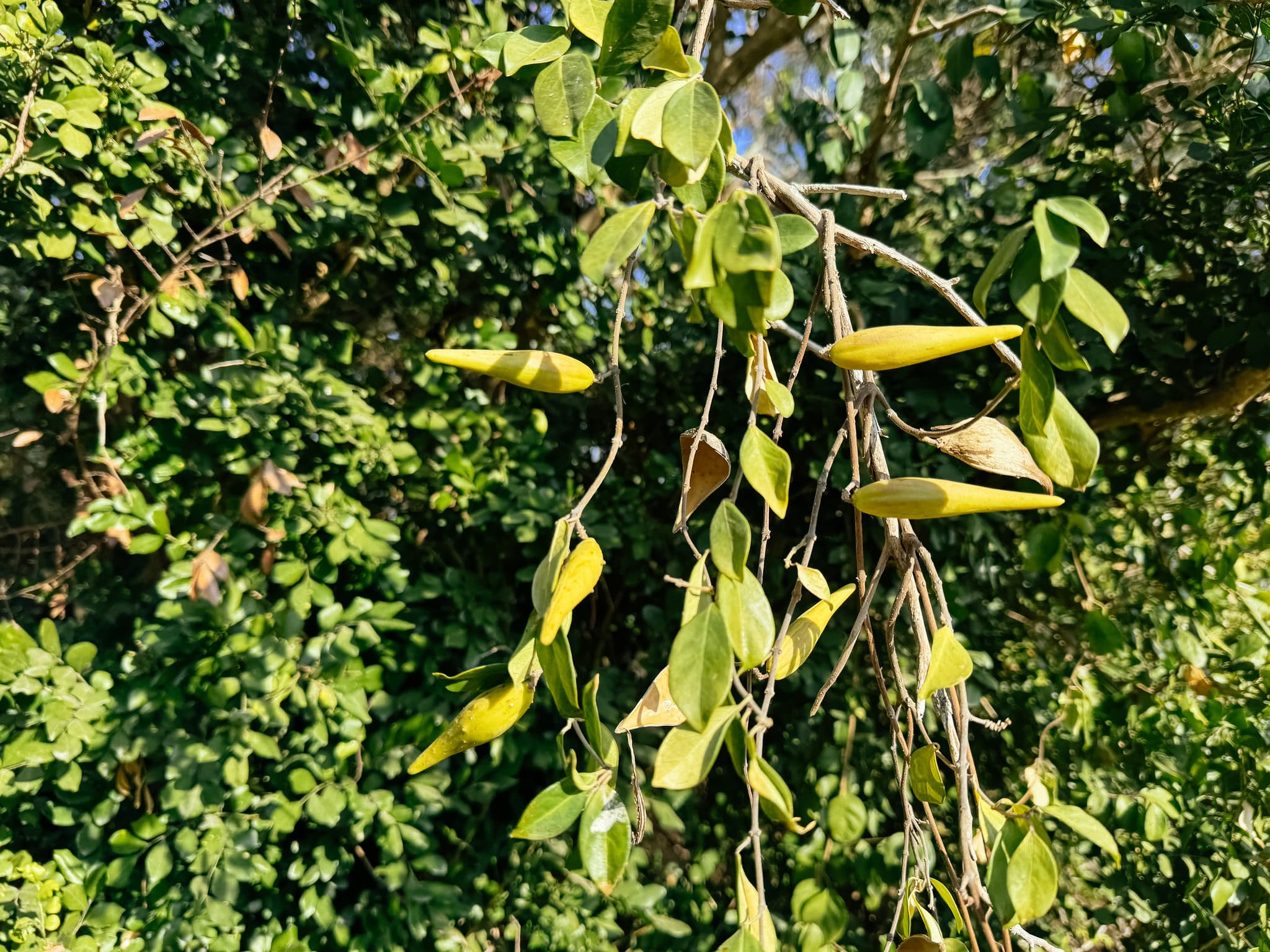
Solanum leucandrum
NameSolanum leucandrum
Scientific NameSolanum leucandrum
Common NamesSpiny Nightshade
Plant FamilySolanaceae
Natural HabitatNative to South America, it typically grows in disturbed areas, roadsides, agricultural fields, and open woodlands, often considered a weed.
Parts Usedwhole_plant
Medicinal Actionsanalgesic, anti-inflammatory
Traditional UsesTraditional medicinal uses of Solanum leucandrum are poorly documented and should be approached with extreme caution due to the plant's potential toxicity. Some Solanum species are traditionally used externally for inflammatory conditions or pain relief, but internal use is generally not recommended without expert guidance due to the presence of toxic glycoalkaloids.
Active ConstituentsSteroidal glycoalkaloids (e.g., solanine, solamargine, solasonine), Flavonoids
Preparation Methodspoultice, salve
Contraindications & WarningsAll parts of Solanum leucandrum, especially unripe fruits, are considered toxic due to the presence of steroidal glycoalkaloids. Ingestion can cause severe gastrointestinal upset (nausea, vomiting, diarrhea), neurological symptoms (drowsiness, confusion, paralysis), and in severe cases, cardiac arrest and death. Not recommended for internal use. External use should also be approached with extreme caution due to potential skin irritation or absorption.
Cultivation NotesThis plant is often considered a weed and is relatively easy to grow in warm climates. It prefers full sun to partial shade and well-drained soil. It can be invasive due to its prolific seeding and thorny nature.
Raritycommon
Description
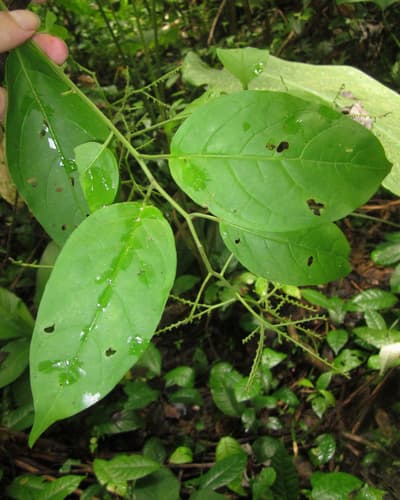
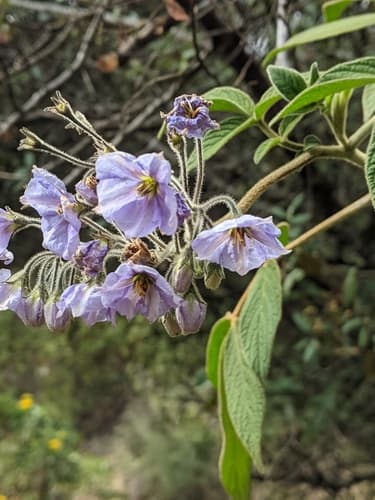
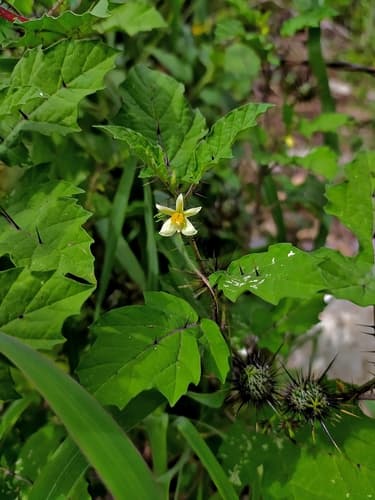
This is a spiny herbaceous plant characterized by deeply lobed, green leaves and stems armed with sharp prickles. It produces small, pale yellow to whitish, star-shaped flowers with prominent yellow anthers. The developing fruits are round and densely covered with long, sharp spines.