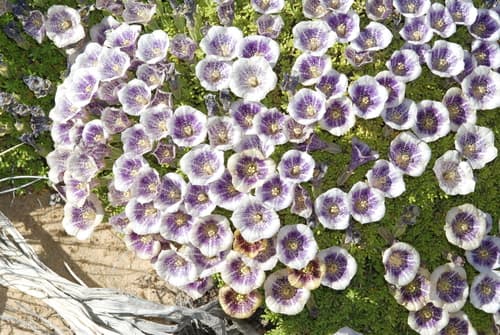
Patagonian petunia
NamePatagonian petunia
Scientific NameCalibrachoa linearis
Common NamesPatagonian petunia, Million Bells, Mini Petunia
Plant FamilySolanaceae
Natural HabitatNative to grasslands, rocky slopes, and open areas in South America, particularly Patagonia, thriving in well-drained soils and full sun.
Parts Usedflower,whole_plant
Medicinal Actionsantioxidant, anti-inflammatory
Traditional UsesTraditional medicinal uses for *Calibrachoa linearis* are not widely documented in mainstream herbalism. However, some related species in the Solanaceae family have been used in folk medicine for various purposes, though specific applications for this plant are obscure and require further research.
Active ConstituentsFlavonoids, Phenolic acids
Preparation Methodsinfusion, powder
Contraindications & WarningsSpecific contraindications are not well-documented due to limited medicinal use. As with many plants in the Solanaceae family, caution is advised, and large internal doses should be avoided due to potential alkaloid content.
Cultivation NotesPrefers full sun and well-drained soil. Drought-tolerant once established, it can be grown from seed or cuttings. Thrives in containers, hanging baskets, or as groundcover in suitable climates.
Raritycommon
Description
A low-growing, mat-forming perennial, Patagonian petunia produces an abundance of small, trumpet-shaped flowers. Each bloom typically features white petals with a prominent purple-veined throat and a bright yellow center, creating a striking bicolor effect. Its dense growth habit makes it an excellent groundcover or container plant.